Iran, Oman close to deal on Strait of Hormuz route; Tehran sets conditions for reopening
Iran and Oman are nearing a temporary maritime traffic agreement for the Strait of Hormuz, though Tehran conditions a full reopening on the US.
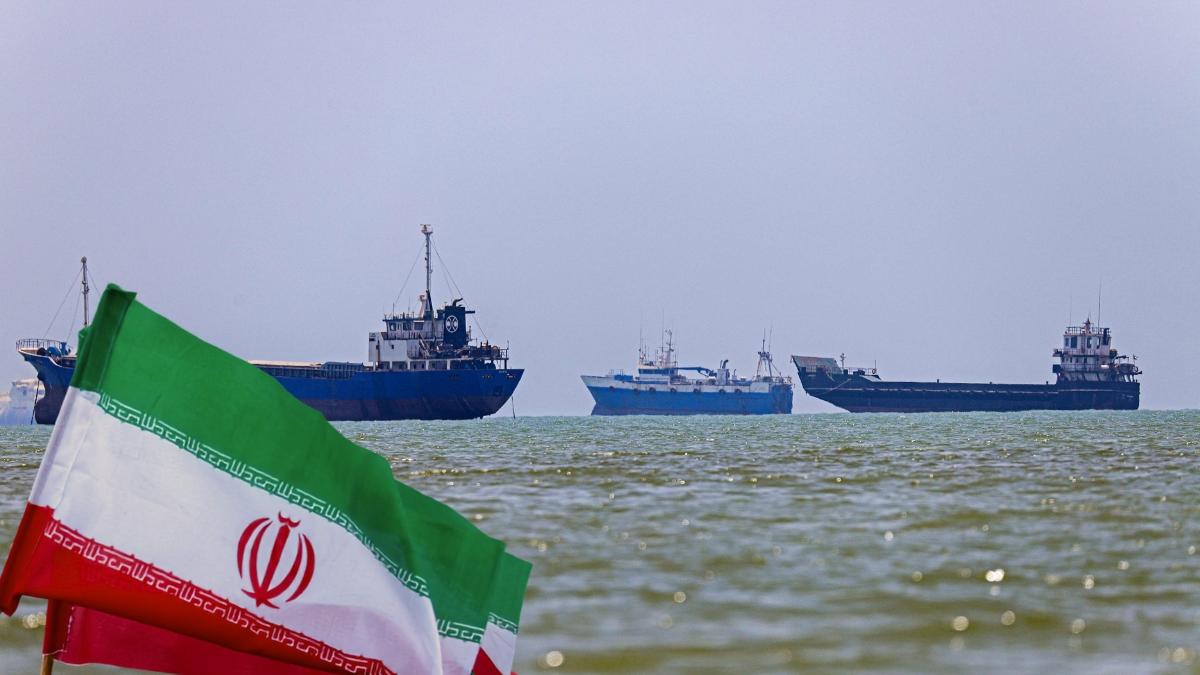
- Core Development: Iran and Oman are nearing a temporary maritime traffic agreement for the Strait of Hormuz, though Tehran conditions a full reopening on the US.
- Beat Context: Categorized under World with independent corroboration.
- Reporting Depth: 3 minute analytical read synthesized from verified newsroom sources.
Iran and Oman are nearing an agreement on a new mechanism to manage maritime traffic through the Strait of Hormuz, according to statements made by Iranian Foreign Minister Seyyed Abbas Araghchi on Saturday. Speaking at the Iranian President's press conference with reporters, Araghchi explained that the previous traffic separation scheme is no longer acceptable to Tehran, necessitating the creation of a newly designated route for ships.
Because the technical and legal complexities of establishing a permanent route are substantial, the two nations are currently formulating a temporary route to serve as the basis for future navigation. Military and naval officials from Iran and Oman have already held discussions using existing maritime maps. This diplomatic track runs parallel to broader international assessments concerning regional stability and the vital shipping corridor.
Media additions

However, reaching an accord on traffic management does not automatically equate to an immediate reopening of the waterway. Araghchi conditioned any resumption on compensation from the United States regarding alleged violations of an earlier 14-point memorandum of understanding signed between the two sides in June. Under that agreement, maritime traffic was expected to return to normal within a month. Araghchi noted that traffic initially rebounded to around 60 per cent of normal levels within two weeks, but asserted that Washington subsequently attempted to establish new routes through the Strait in defiance of Iranian warnings, describing the alleged US actions as absolutely unacceptable.
These diplomatic developments coincide with parallel international reports. An anonymous US official recently indicated that Washington anticipates an agreement between Oman and Iran soon, which could allow standard commercial oil shipments through the strategic waterway to resume. The official added that the United States would lift its blockade of Iranian ports once a deal is formally announced to restore commercial shipping without impediments.
Yet, a starkly different and more uncompromising set of prerequisites emerged from reporting by the Tehran Times. Mohammad Baqer Zolqadr, Secretary of Iran’s Supreme National Security Council, stated explicitly in a message released on Saturday that the strategic waterway will remain closed until the United States fundamentally alters its hostile conduct toward Iran. Zolqadr outlined six explicit measures required to demonstrate a shift in American policy:
- An end to threats and insults against Iran, including any threats to the country’s national and religious sanctities.
- Permanently end the war and aggression against Iran and its allies in Lebanon, Palestine, Yemen and Iraq.
- Lift the naval blockade and withdraw US military forces, including naval and air forces, from around Iran.
- Fully compensate Iran for damages caused by 'two wars of aggression and imposition.'
- Lift all “unjust and illegal” sanctions imposed on the Iranian people.
- Unconditionally release Iranian assets that were blocked and stolen.
Zolqadr framed these six points as the demands of the Iranian people, noting their ongoing presence on the battlefield and in the streets for 160 days. He emphasized that the Supreme National Security Council remains steadfast in its position, refusing to retreat either in war or in negotiations.
What to Watch Next
- The formal finalization of the temporary maritime traffic route by Iranian and Omani naval officials using existing maritime maps.
- Any official response from Washington regarding the disputed 14-point memorandum of understanding, Clause 5 provisions, and the promised lifting of the port blockade.
- Further statements from the Supreme National Security Council regarding the enforcement of its six conditions for reopening the Strait of Hormuz.
How significant is this development?
Contribute your assessment to the aggregated reader sentiment ledger.
Frequently Asked Questions
Key questions answered in this reportWhat is the key development in: Iran, Oman close to deal on Strait of Hormuz route; Tehran sets conditions for reopening?
Iran and Oman are nearing a temporary maritime traffic agreement for the Strait of Hormuz, though Tehran conditions a full reopening on the US.
Why is this World development significant for the UK?
This report covers critical events in our World beat. Independent reporting monitors related UK statements, regulatory shifts, and public responses as further verified details emerge.
How was this reporting corroborated and verified?
Newsarchy UK compiles and cross-references reporting from primary reporting from english.mathrubhumi.com and cross-checked wire reports. All coverage adheres to published editorial standards.
When was this report published?
This briefing was published on August 9, 2026 and is permanently cataloged in the Newsarchy UK World archives.