Iran and Oman near deal to reopen Strait of Hormuz amid US blockade
Iran and Oman are finalizing a shipping route agreement that could lift the U.S. naval blockade in the Strait of Hormuz and ease pressure on oil markets.
- Core Development: Iran and Oman are finalizing a shipping route agreement that could lift the U.S. naval blockade in the Strait of Hormuz and ease pressure on oil markets.
- Beat Context: Categorized under World with independent corroboration.
- Reporting Depth: 4 minute analytical read synthesized from verified newsroom sources.
Talks between Tehran and Muscat have moved from vague promises to a concrete route for ships, a development that could lift the U.S. Naval blockade choking the world’s most important oil chokepoint. If the agreement is signed within days, commercial traffic could resume while the United States and Iran revisit a June memorandum that envisions a 60‑day window of free passage.
The timing matters because the blockade, reinstated on July 14, has already forced 48 vessels to reroute, according to U.S. Central Command. The move would also ease the pressure on global oil markets that have felt the shock of Iranian‑backed Houthi strikes on Saudi tankers and the threat of further disruptions in both the Bab el‑Mandeb and Hormuz straits.
Negotiations in fast‑forward
Iran’s foreign ministry announced that the two sides have agreed on the “geographical coordinates of the route” and are polishing a joint statement. The draft, a spokesperson said, “is also in the final review and drafting stage.” Both nations are working on “mechanisms for future arrangements for the management of shipping traffic” and have agreed that inbound vessels will use a channel coordinated by Iran, while outbound traffic will be overseen by Oman.
Crucially, the proposal calls for no tolls or service fees, a point the United States has long opposed. CBS News reported that sources said the broader outline is settled, with remaining talks focused on implementation and timing.
"It is very difficult to communicate with him at the moment, but in any case, his presence is a very great source of strength for us so that we can continue,"
Masoud Pezeshkian, President, via CBS News
President Pezeshkian’s remarks came as he defended Supreme Leader Mojtaba Khamenei’s “kindness and very sound logic” despite the leader’s limited public profile since the U.S.–Israeli strikes that killed his father, the former Supreme Leader.
U.S. Pressure points
The United States has repeatedly warned that “the factors making the Strait of Hormuz insecure still exist,” chiefly the naval blockade and other “aggressive and threatening actions.” A foreign ministry spokesman echoed that sentiment, saying any reopening “cannot mean that the strait has become safe for passing ships” while the blockade remains in place.
Meanwhile, U.S. Central Command disclosed that the blockade has redirected 48 vessels since its July 14 restart and has “redirected three ships in the past day.” The same source noted that two ships have been boarded and two have been disabled, figures unchanged since the boarding of the Comoros‑flagged tanker M/T Charminar on July 25.
U.S. Officials also admitted that the war has consumed “virtually all” of the Army Tactical Missile Systems (ATACMS) and Precision Strike Missiles stockpiles. Two insiders told CBS News that the United States has used nearly its entire global reserve of long‑range precision missiles, a point Defense Secretary Pete Hegseth has downplayed as “manufactured” storytelling.
Regional flashpoints
Even as diplomatic talks inch forward, the broader region remains volatile. Yemen’s Iran‑backed Houthis have claimed a second Saudi oil tanker attack in a day, targeting the tanker “Daisy” with a ballistic missile in the Gulf of Aden. The UK Maritime Operations Centre recorded a “loud explosion” near a vessel at about 4:30 p.m. Local time, though no crew injuries or environmental damage were reported.
In the Red Sea, the Houthis reported a successful strike on the Saudi tanker “Wafa” off Yanbu, marking the eighth Saudi‑flagged vessel hit since the blockade began on July 22. The group warned it will continue targeting Saudi tankers transiting the Bab el‑Mandeb.
What the United States says
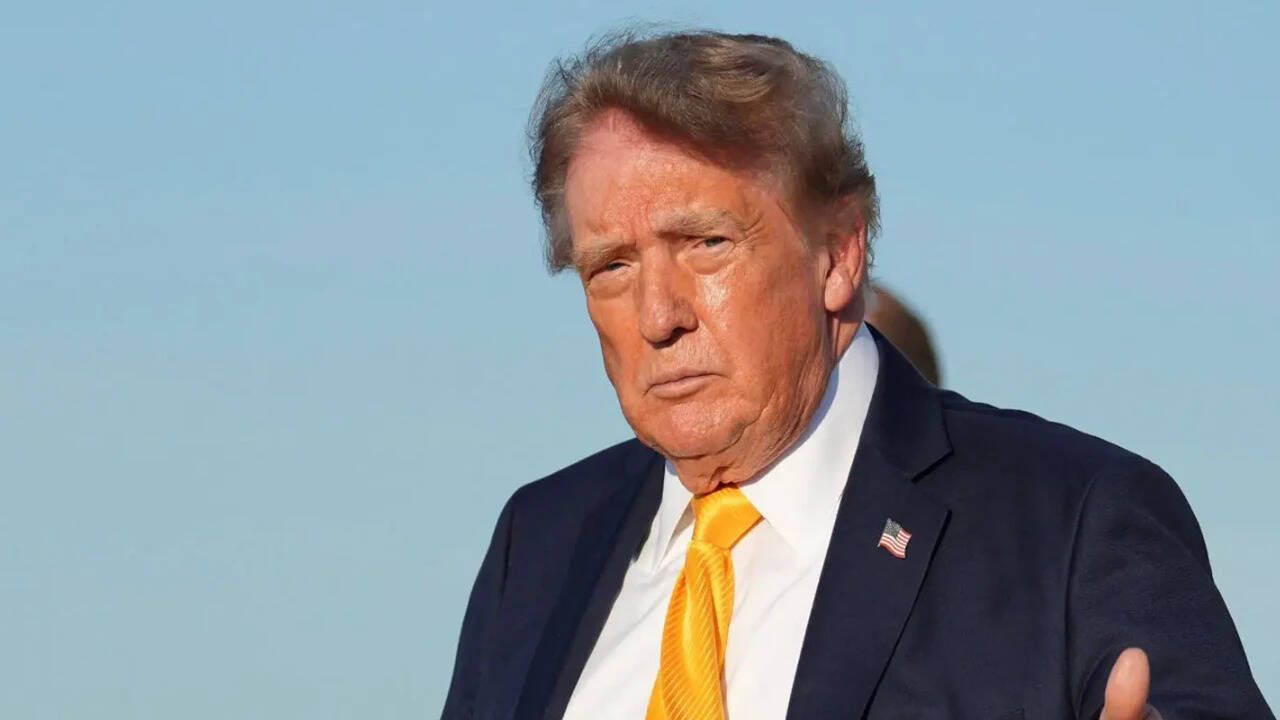
President Trump, traveling in California, told reporters that “a lot of progress has been made” and that an announcement could arrive “tomorrow or the next day.” The same sentiment was echoed in a later briefing where he said a deal “could happen as early as Wednesday.” Trump also reiterated his opposition to any tolls, stating, “I’m not going to let them charge.”
U.S. Central Command meanwhile asserted that “the southern route through the Strait of Hormuz remains free and open for all commercial vessels seeking to transit the international waterway,” and that U.S. Forces have assisted more than 1,000 vessels in the past three months.
Timeline of recent developments
- July 14 – U.S. Reinstates naval blockade on Iranian ports, redirecting vessels.
- July 22 – Houthi rebels begin declared maritime blockade of Saudi oil tankers.
- July 25 – U.S. Boards Comoros‑flagged tanker M/T Charminar.
What to watch next
- Any formal joint statement from Iran and Oman confirming the route and management details.
- U.S. Response to the proposed “service fee” split between Tehran and Muscat, especially given Trump’s veto on tolls.
- Potential UN or third‑party mediation addressing “certain third parties” that Iran says could obstruct the process.
- Continued Houthi activity in the Red Sea, which could further jeopardize oil shipments.
- Congressional oversight of U.S. Missile stockpiles and the Pentagon’s refusal to release the 350‑page investigation into the March 1 attack on a U.S. Command post in Kuwait.
For ongoing coverage of the Hormuz negotiations, see Iran seeks authority over inbound vessels in Hormuz talks with Oman and the broader World section.
How significant is this development?
Contribute your assessment to the aggregated reader sentiment ledger.
Frequently Asked Questions
Key questions answered in this reportWhat is the key development in: Iran and Oman near deal to reopen Strait of Hormuz amid US blockade?
Iran and Oman are finalizing a shipping route agreement that could lift the U.S. naval blockade in the Strait of Hormuz and ease pressure on oil markets.
Why is this World development significant for the UK?
This report covers critical events in our World beat. Independent reporting monitors related UK statements, regulatory shifts, and public responses as further verified details emerge.
How was this reporting corroborated and verified?
Newsarchy UK compiles and cross-references reporting from primary reporting from cbsnews.com and cross-checked wire reports. All coverage adheres to published editorial standards.
When was this report published?
This briefing was published on August 6, 2026 and is permanently cataloged in the Newsarchy UK World archives.