Iran makes new strait demands, the UAE says a ship was targeted and other Middle East news
Iran's Supreme National Security Council announced strict new demands for reopening the Strait of Hormuz, linking the waterway's closure to U.S. policy shifts while commercial vessels face ongoing attacks.

- Core Development: Iran's Supreme National Security Council announced strict new demands for reopening the Strait of Hormuz, linking the waterway's closure to U.S. policy shifts while commercial vessels face ongoing attacks.
- Beat Context: Categorized under World with independent corroboration.
- Reporting Depth: 3 minute analytical read synthesized from verified newsroom sources.
Tensions across the Middle East escalated sharply on Saturday, as Iran issued stringent new demands regarding the reopening of the Strait of Hormuz, while shipping in the critical waterway faced fresh attacks. According to reporting detailed by Alaska's News Source and NBC News, Iran’s Supreme National Security Council declared that the crucial shipping lane will remain shut until the United States alters its posture in the region.
The latest demands from Tehran threaten to upend delicate diplomatic efforts. The council’s secretary, Mohammad Bagher Zolghadr — who also serves as a commander in the Revolutionary Guard — stated through state broadcaster reports that Washington must permanently end hostilities with Iran and its regional allies. Furthermore, the council insisted that the U.S. Must lift its naval blockade on Iranian ports, withdraw its military presence, lift existing sanctions, unconditionally release frozen assets, and fully compensate Iran for war damages, alongside a permanent vow never to threaten the nation again.
Media additions

There was no immediate formal response from the United States regarding the new conditions. As Turnto10 reports, the administration of President Donald Trump has continued pursuing negotiations while warning that military force remains an option if diplomacy collapses. The U.S. Has maintained that an acceptable agreement regarding the security and management of the strait must be secured before lifting its naval blockade. An interim deal was signed in June, establishing a 60-day window for final negotiations that is set to expire in just over a week, though provisions exist for potential extensions.
Diplomatic channels have shown mixed signals. Iranian Foreign Minister Abbas Araghchi stated that Tehran was nearing a separate navigational agreement with Oman, specifically regarding transit routes through the strait, which runs between the two countries. Omani officials confirmed that discussions were proceeding in a constructive atmosphere, while also condemning ongoing attacks on commercial vessels navigating the strait.
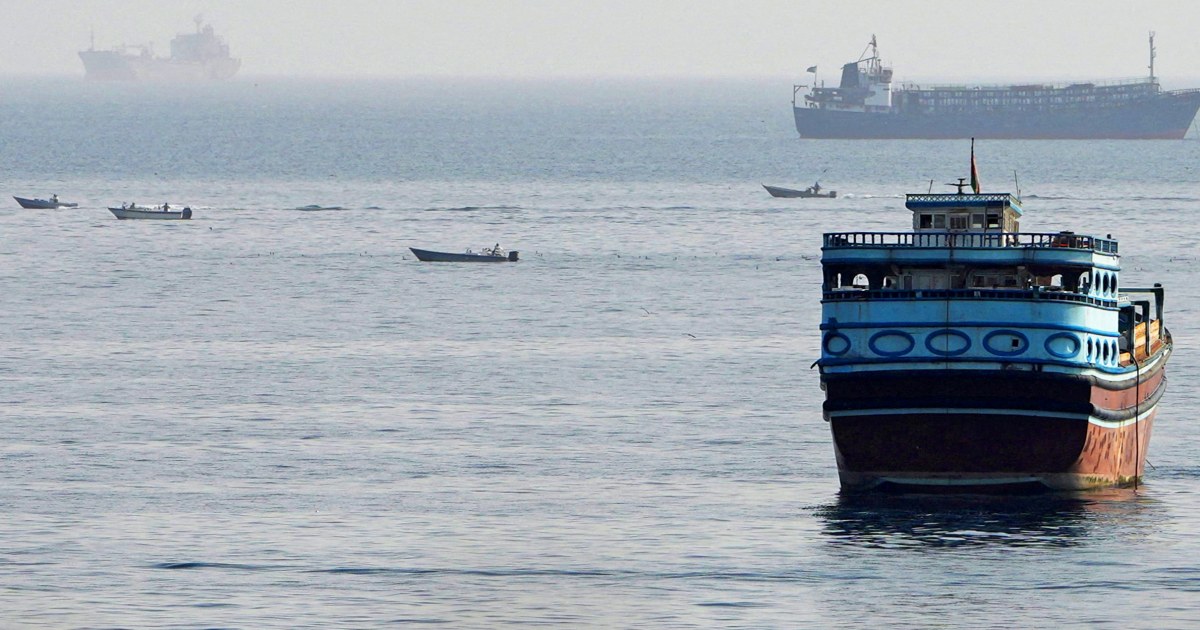
Despite these diplomatic tracks, commercial shipping in the energy corridor continues to face severe threats. Emirati authorities reported that a missile fired by Iran targeted a vessel owned by Abu Dhabi’s state-owned ADNOC oil and gas company. ADNOC stated that no casualties resulted from the early Saturday incident, though the firm noted that over a dozen of its vessels have been struck by missiles and drones since the conflict involving the U.S., Israel, and Iran began in February. Those previous attacks have resulted in one crew member killed and 20 others wounded.
Adding to the maritime security concerns, the United Kingdom Maritime Trade Operations Center reported a separate incident where a vessel east of Khasab, Oman, was struck by a projectile that sparked a fire. The blaze was successfully extinguished, and the vessel and crew were confirmed safe, though investigators worked to determine whether the event was linked to the ADNOC attack.
Beyond the Gulf, conflict dynamics shifted across multiple fronts:
- Yemen: Yemen’s military launched offensive operations targeting sites and military capabilities belonging to the Iranian-backed Houthi rebels. Colonel Majed al-Nazili, spokesperson for the Yemeni military, stated the strikes were executed in response to recent Houthi actions, raising fears of a complete unraveling of the 2022 truce and a reignition of the civil war.
- Turkey: Turkey’s legislative process advanced a peace initiative aimed at resolving its decades-long conflict with Kurdish insurgents. A parliamentary committee approved a draft law defining disarmament and rehabilitation procedures for members of the Kurdistan Workers’ Party (PKK), following the group's declaration last year to disarm and disband. A vote in the general assembly is scheduled for next week.
What to Watch Next
As developments unfold, international observers are monitoring several critical milestones and pending decisions across the region:
- The expiration of the 60-day negotiating window for the final U.S.-Iran strait agreement, which concludes in just over a week.
- The upcoming general assembly vote in Turkey's parliament concerning the Kurdish peace and disarmament legislation.
- Further updates from maritime authorities regarding security protocols and vessel safety within the Strait of Hormuz.
How significant is this development?
Contribute your assessment to the aggregated reader sentiment ledger.
Frequently Asked Questions
Key questions answered in this reportWhat is the key development in: Iran makes new strait demands, the UAE says a ship was targeted and other Middle East news?
Iran's Supreme National Security Council announced strict new demands for reopening the Strait of Hormuz, linking the waterway's closure to U.S. policy shifts while commercial vessels face ongoing attacks.
Why is this World development significant for the UK?
This report covers critical events in our World beat. Independent reporting monitors related UK statements, regulatory shifts, and public responses as further verified details emerge.
How was this reporting corroborated and verified?
Newsarchy UK compiles and cross-references reporting from primary reporting from nbcnews.com and cross-checked wire reports. All coverage adheres to published editorial standards.
When was this report published?
This briefing was published on August 8, 2026 and is permanently cataloged in the Newsarchy UK World archives.