Iran says Strait of Hormuz will stay closed until US meets its demands
Iran's Revolutionary Guards state the strait will stay closed until the US meets six core demands, including lifting sanctions and withdrawing military assets.
- Core Development: Iran's Revolutionary Guards state the strait will stay closed until the US meets six core demands, including lifting sanctions and withdrawing military assets.
- Beat Context: Categorized under World with independent corroboration.
- Reporting Depth: 3 minute analytical read synthesized from verified newsroom sources.
The council’s statement listed six core demands: the United States must cease all threats toward Tehran, lift the naval blockade, withdraw military assets from the region, end sanctions, unfreeze Iranian assets and pay compensation for war damage.
"The enemy is forced to accept Iran's conditions for the opening of the strait and to refrain from the interference that it is currently making in the negotiations,"
Hossein Mohebi, Revolutionary Guards spokesman, via state TV
Media additions
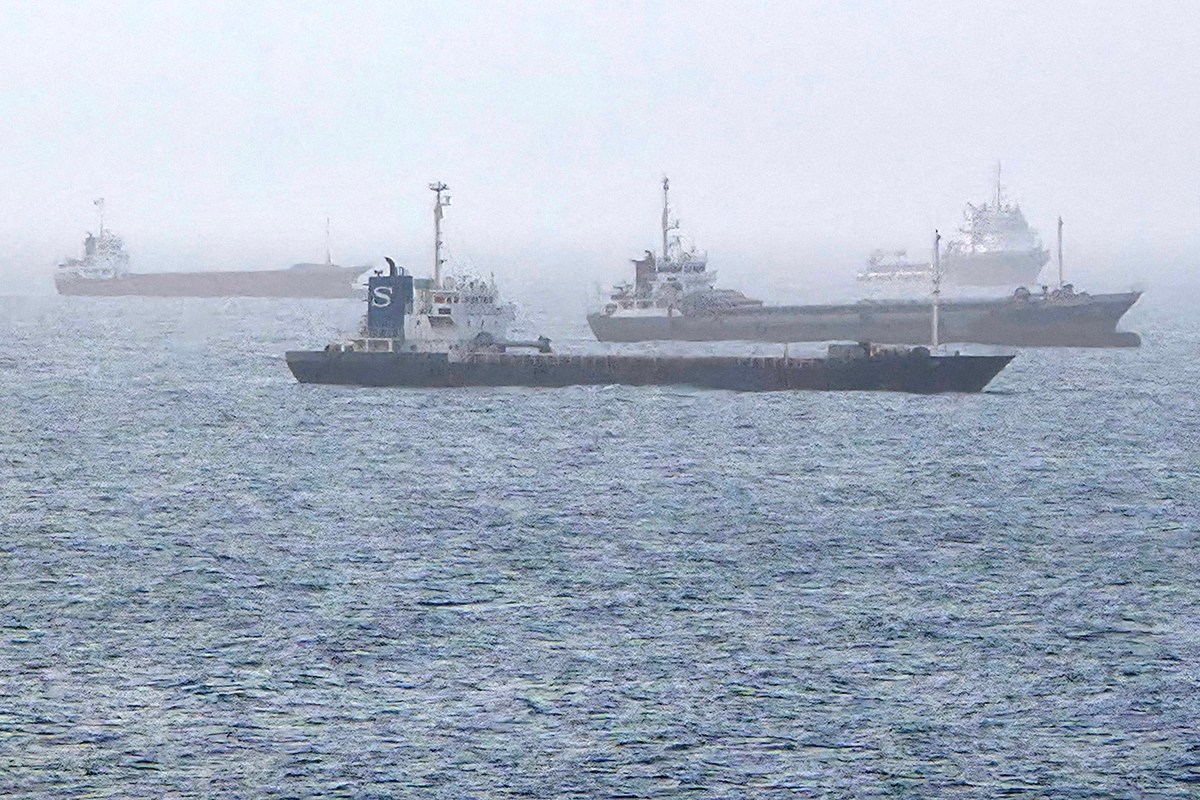
That declaration came minutes after Iran fired a missile at a vessel owned by the Abu Dhabi National Oil Company while it was transiting the strait. The tanker suffered a fire that was later extinguished and reported no injuries.
What the demands entail
- Permanent end to U.S. Threats against Iran.
- Withdrawal of all U.S. Naval and air forces operating around Iran.
- Removal of the naval blockade imposed on Iranian ports.
- Full lifting of sanctions linked to the conflict.
- Unconditional release of frozen Iranian assets.
- Compensation for damage caused during the war.
Mohammad Bagher Zolghadr, secretary of the council and Revolutionary Guard commander, framed the list as reflecting “the will of the Iranian people.” He reiterated that the strait “is now actually a theatre of war” and that any reopening will follow “the enemy’s acceptance of Iran's conditions.”
Regional reverberations
Iran’s actions have triggered a cascade of responses across the Gulf. The United Arab Emirates condemned the missile strike on the ADNOC‑linked tanker, labeling it a “hostile Iranian attack.” Saudi Arabia’s Ministry of Energy reported a fire at its Jazan refinery after a Houthi‑linked drone strike, an incident the Houthis claimed responsibility for.
U.S. Officials have hinted at an “eighth round of sanctions” targeting Iranian banks and intermediaries, a step aimed at choking the regime’s revenue streams. Treasury Secretary Scott Bessent, in a statement, said the United States will “continue to expose these networks and cut them off from the U.S. Financial system.”
In Washington, Republicans such as Senator Bill Cassidy (L‑LA) pressed President Trump to articulate a clear public strategy, arguing that sustained economic pressure and selective operations are needed to bring Tehran back to the table. Cassidy’s remarks, aired on “Face the Nation,” emphasized the need for “dialogue with the American people.”
Implications for global shipping
The strait traditionally carries roughly one‑fifth of the world’s oil shipments, a figure that underscores the economic weight of any disruption.
U.S. Central Command reported that a renewed blockade on 14 July redirected 53 ships, a modest increase from the previous day, while allowing more than 30 humanitarian vessels to pass. The figure highlights the delicate balance between military pressure and the need to keep essential aid flowing.
What to watch next
- Whether Iran and Oman finalize their shipping‑route agreement in the coming days.
- Potential U.S. Response to the six‑point demand list, including any concession on sanctions or asset releases.
- Further regional attacks, especially from Houthi forces, that could expand the conflict’s footprint.
- Developments in U.S. Congressional discussions on additional economic measures against Iran.
- Statements from the Supreme Leader’s office following recent public appearances of Ayatollah Mojtaba Khamenei.
How significant is this development?
Contribute your assessment to the aggregated reader sentiment ledger.
Frequently Asked Questions
Key questions answered in this reportWhat is the key development in: Iran says Strait of Hormuz will stay closed until US meets its demands?
Iran's Revolutionary Guards state the strait will stay closed until the US meets six core demands, including lifting sanctions and withdrawing military assets.
Why is this World development significant for the UK?
This report covers critical events in our World beat. Independent reporting monitors related UK statements, regulatory shifts, and public responses as further verified details emerge.
How was this reporting corroborated and verified?
Newsarchy UK compiles and cross-references reporting from primary reporting from newsweek.com and cross-checked wire reports. All coverage adheres to published editorial standards.
When was this report published?
This briefing was published on August 10, 2026 and is permanently cataloged in the Newsarchy UK World archives.