Iran targets oil tanker in Strait of Hormuz despite ongoing talks
An oil tanker in the Strait of Hormuz was struck by a missile over the weekend, prompting regional condemnation and a new round of U.S. sanctions.
- Core Development: An oil tanker in the Strait of Hormuz was struck by a missile over the weekend, prompting regional condemnation and a new round of U.S. sanctions.
- Beat Context: Categorized under World with independent corroboration.
- Reporting Depth: 3 minute analytical read synthesized from verified newsroom sources.
A commercial oil tanker sailing through the vital Strait of Hormuz was struck by a missile over the weekend, an incident that regional officials denounced as a severe breach of international law even as high-stakes diplomacy continued.
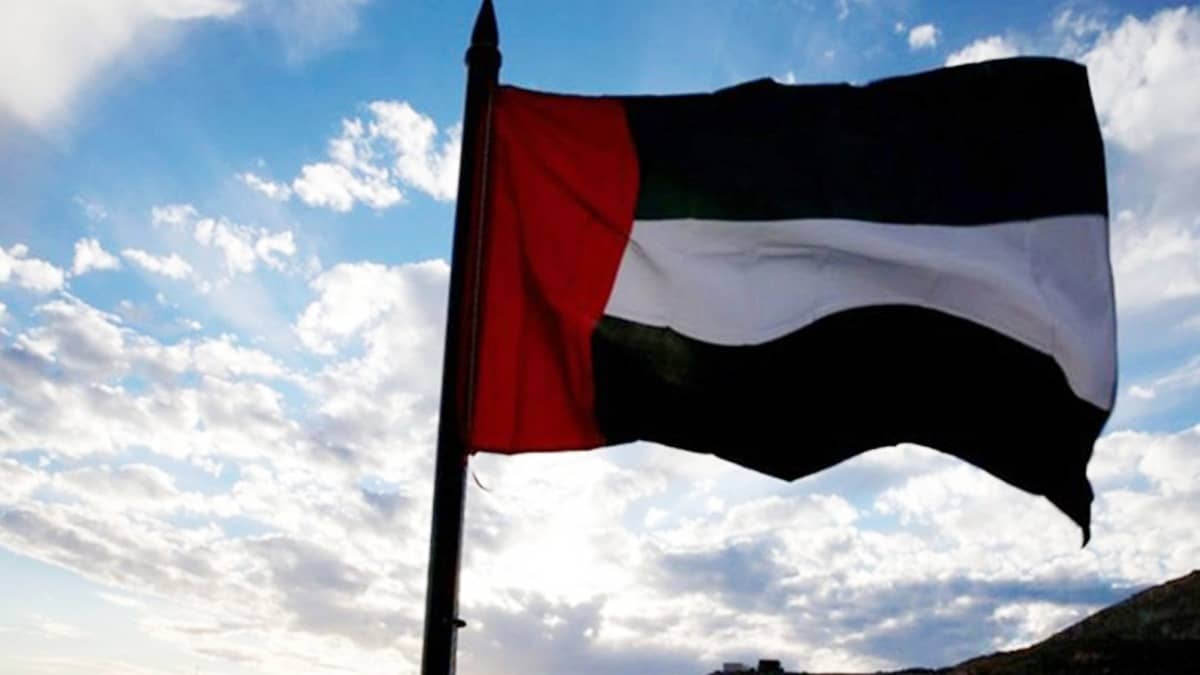
The United Arab Emirates condemned the strike on the vessel belonging to the state-owned Abu Dhabi National Oil Company, stating that the assault constituted a direct violation of United Nations Security Council resolutions upholding freedom of navigation, according to reporting by Republicworld. The ship owner confirmed that the blaze caused by the missile was successfully extinguished and that no crew members suffered injuries during the transit.
Media additions
The escalation follows a pattern of maritime disruptions in the crucial waterway. ADNOC disclosed that 15 of its fleet vessels have sustained hits from missiles and drones since the outbreak of hostilities, including three separate incidents during the week alone. Despite these security threats, marine tracking data from Kpler indicates that commercial traffic through the key global energy corridor remains severely suppressed compared to pre-war volumes.
Diplomatic Talks Advance Amid Contradictory Signals
The maritime attack occurred parallel to ongoing diplomatic efforts. Oman reported that negotiations with Tehran regarding the future management and navigational arrangements of the Strait of Hormuz are proceeding constructively. Omani officials emphasized the importance of shielding the delicate talks from hostile interference.
Oman stated, according to CBS News:
"the ongoing negotiations regarding arrangements related to navigation in the Strait of Hormuz are proceeding in a positive and constructive atmosphere, and emphasizes the importance of avoiding any actions that could affect these negotiations and the progress achieved, which takes into account the interests of all parties."
Oman, via CBS News
Iranian leadership offered a more complicated assessment of the diplomatic track. Foreign Minister Abbas Araghchi acknowledged that discussions with Oman are approaching their final stages, but he maintained that the reopening of the vital shipping lane is subject to entirely separate conditions. Araghchi conditioned normal traffic flow on compensation for alleged United States violations of a previous memorandum of understanding, a sentiment echoed by the ideological arm of the Iranian military.
Araghchi stated, as reported by CBS News:
"This is not a sign of the reopening of the Strait of Hormuz."
Abbas Araghchi, Foreign Minister, via CBS News
Meanwhile, the United States Treasury Department announced a fresh round of sanctions targeting financial networks and exchange houses accused of laundering oil revenues for Iranian exporters. Treasury Secretary Scott Bessent stated that facilitators keeping the regime afloat face direct targeting from American financial restrictions.
Treasury Secretary Scott Bessent stated:
"Every facilitator that keeps the regime afloat is putting a target on its own back."
Scott Bessent, Treasury Secretary, via CBS News
Regional Repercussions and Wider Tensions
The regional security architecture faces additional strain following the signing of a trilateral defense pact between Saudi Arabia, Turkey, and Pakistan. The agreement establishes a collective deterrence framework stipulating that an armed attack against any single member state will be treated as an assault on all three. Iranian parliamentarians dismissed the pact as an ineffective paper agreement, while Saudi officials insisted the arrangement is not aimed at establishing sectarian blocs or nuclear deterrence.
Simultaneously, fighting continued to escalate across other fronts. Iran-backed Houthi forces launched fresh missile and drone barrages targeting government-held positions and residential zones in Yemen's Marib province, resulting in dozens of casualties among troops and civilians.
What to Watch Next
- Future updates on the final stages of the Oman-brokered negotiations concerning the management of the Strait of Hormuz.
- Implementation and enforcement outcomes of the latest U.S. Treasury sanctions targeting Iranian financial facilitators.
- Developments in regional shipping traffic volumes through key maritime corridors, including the Strait of Hormuz and the Bab el-Mandeb Strait, as reported by tracking firms such as Kpler.
- Responses from coalition forces regarding the ongoing escalation of ground and aerial attacks in Yemen.
For broader international context, consult World coverage or track developments related to Iran nears Strait of Hormuz draft deal and Shipping traffic at key Gulf waterways.
How significant is this development?
Contribute your assessment to the aggregated reader sentiment ledger.
Frequently Asked Questions
Key questions answered in this reportWhat is the key development in: Iran targets oil tanker in Strait of Hormuz despite ongoing talks?
An oil tanker in the Strait of Hormuz was struck by a missile over the weekend, prompting regional condemnation and a new round of U.S. sanctions.
Why is this World development significant for the UK?
This report covers critical events in our World beat. Independent reporting monitors related UK statements, regulatory shifts, and public responses as further verified details emerge.
How was this reporting corroborated and verified?
Newsarchy UK compiles and cross-references reporting from primary reporting from cbsnews.com and cross-checked wire reports. All coverage adheres to published editorial standards.
When was this report published?
This briefing was published on August 8, 2026 and is permanently cataloged in the Newsarchy UK World archives.