Iran threatens to expand war to Indian Ocean if US attacks again
A senior adviser to Iran’s supreme leader warned that a second U.S. or Israeli strike could push the Middle East war beyond the Persian Gulf and Red Sea into the Indian Ocean.
- Core Development: A senior adviser to Iran’s supreme leader warned that a second U.S. or Israeli strike could push the Middle East war beyond the Persian Gulf and Red Sea into the Indian Ocean.
- Beat Context: Categorized under World with independent corroboration.
- Reporting Depth: 5 minute analytical read synthesized from verified newsroom sources.
On Thursday, a senior adviser to Iran’s supreme leader warned that a second U.S. Or Israeli strike could push the Middle East war beyond the Persian Gulf and the Red Sea into the Indian Ocean, bringing the conflict closer to India and other regional powers. The statement, released by Iran’s Fars news agency, marks the first time Tehran has explicitly mentioned the Indian Ocean as a potential new theatre of war.
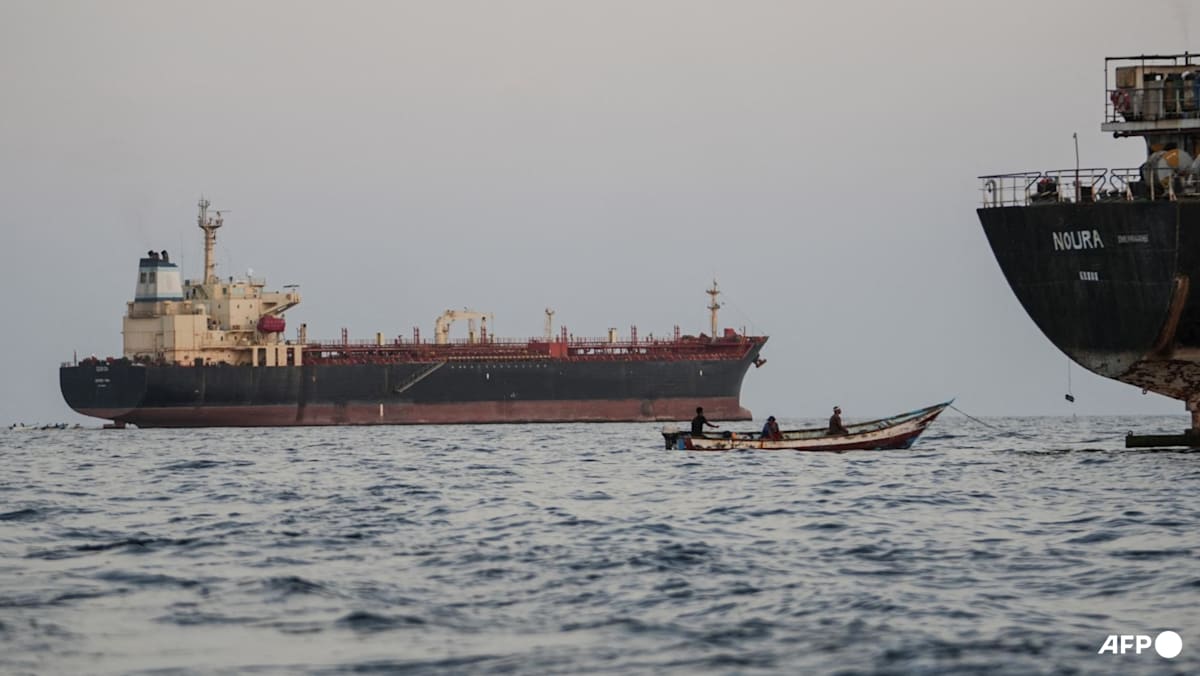
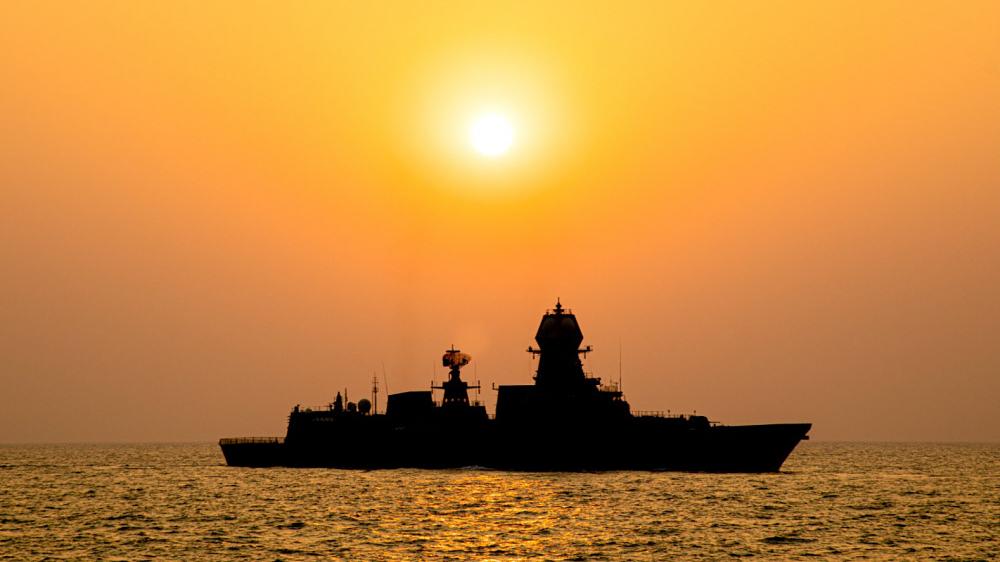
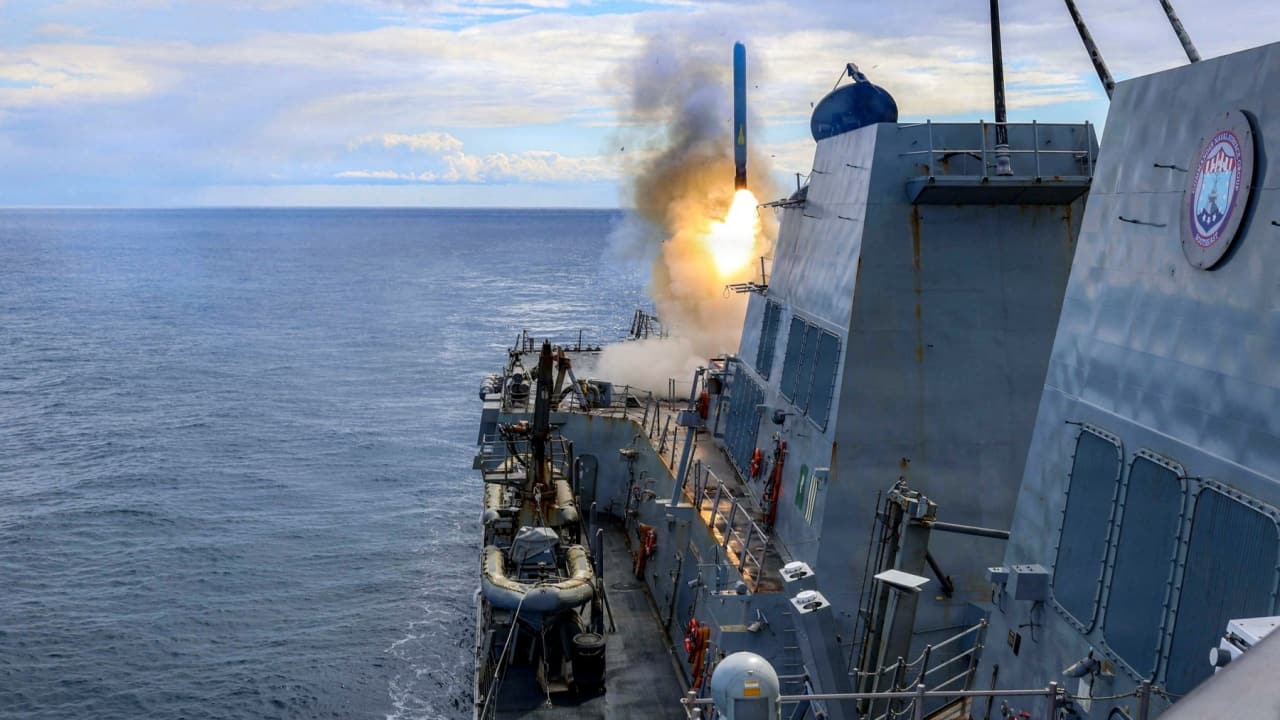
The warning arrives as the war in the Middle East, which began in late February, has already spilled into the Indian Ocean when a U.S. Strike sank the Iranian frigate IRIS Dena off Sri Lanka in March. That incident, which occurred about 19 nautical miles from Galle, was the first time the conflict had affected shipping outside the Red Sea and the Persian Gulf.
Media additions
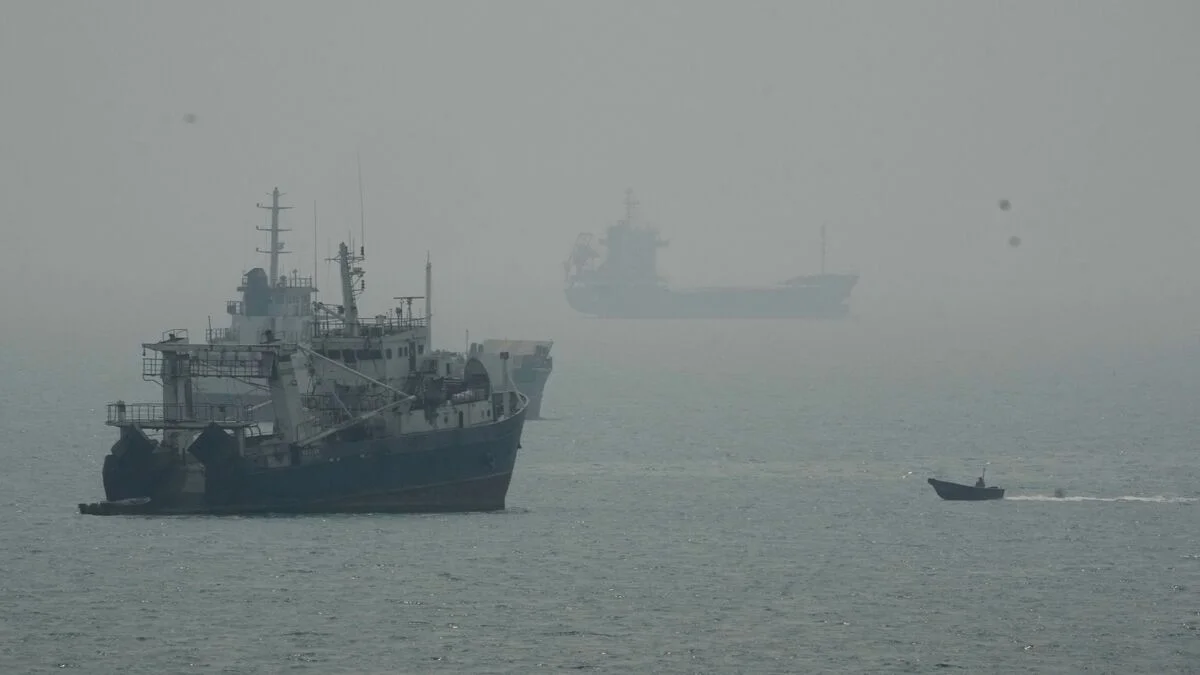
Yahya Rahim Safavi, a senior military adviser to Iran’s Supreme Leader Mojtaba Khamenei, said the conflict had “spread from the Persian Gulf and Strait of Hormuz to the Red Sea” and could “reach the Indian Ocean and perhaps beyond” if the U.S. Or Israel continued its attacks. Safavi’s video, released by Fars news agency, echoed earlier Iranian warnings that the front could widen further if the U.S. Escalated.
"Since the conflict has spread from the Persian Gulf and Strait of Hormuz to the Red Sea, it is possible that, in response to more war, the front will expand even further, reaching the Indian Ocean and perhaps beyond,"
Yahya Rahim Safavi, senior adviser to Iran’s supreme leader, in a video released by Iran’s Fars news agency
Iran’s support for Yemen’s Houthi rebels has been a key factor in the tightening of the Bab al‑Mandeb Strait, a critical choke point that links the Red Sea to the Indian Ocean. Although Tehran denies direct involvement in the Yemen conflict, it has repeatedly provided military assistance to the Houthis, a stance that has drawn U.S. Scrutiny.
In the weeks before the warning, Iranian and U.S. Officials held indirect talks in New York on the sidelines of the 81st United Nations General Assembly. Tehran’s conditions for ending the conflict include the lifting of sanctions that target its economy and the unconditional release of its frozen assets abroad. The U.S. Has maintained that diplomatic options remain open but has also warned that it retains military capabilities.
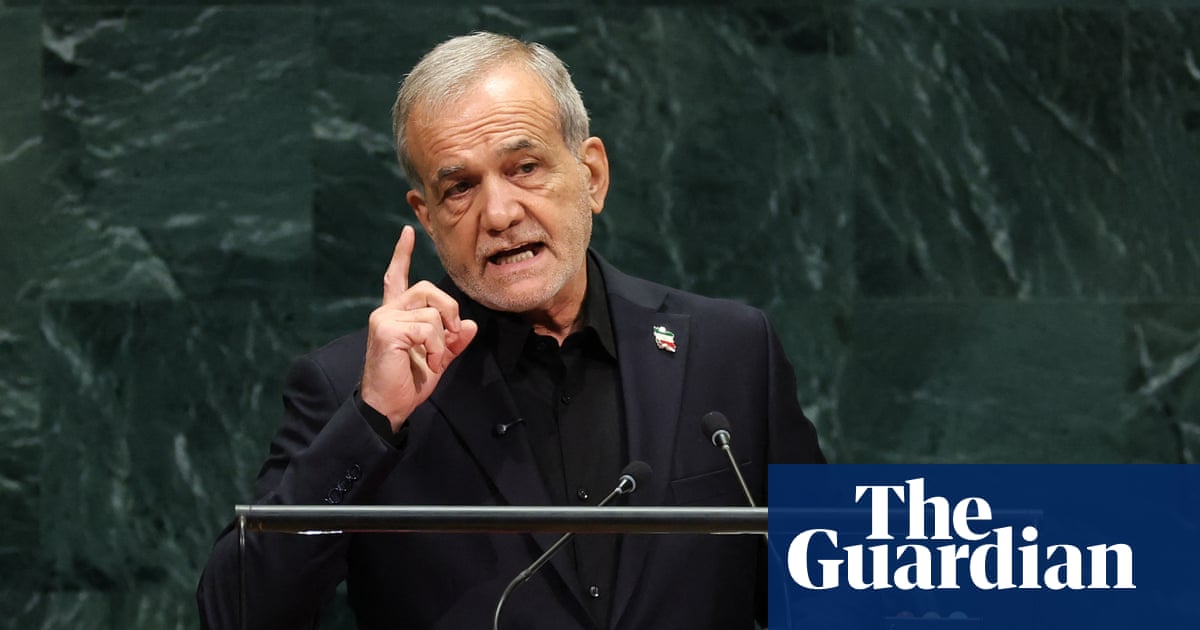
Iranian President Masoud Pezeshkian, who was in the U.S. For the UN session, highlighted that threats would only harden Tehran’s resolve. In a speech to the General Assembly, he rejected former President Donald Trump’s call for an “annihilation” of Iran, framing the U.S. Rhetoric as a “bullying mentality.”
"The remarks made by the US president yesterday ... are a sign of a bullying mentality,"
Iranian President Masoud Pezeshkian, in a wartime address to the United Nations General Assembly
Both sides have indicated that any resolution will hinge on the lifting of sanctions and the release of Iranian assets. The United States has repeatedly stressed that it remains ready to use force if necessary, while Tehran has signalled that it is preparing for a worst‑case scenario.
The strategic base at Diego Garcia, a U.S.‑British outpost in the Indian Ocean, sits roughly 4,000 km from Iran. The warning therefore carries implications for a broad swath of maritime traffic that links Asia, Africa and Europe. The Red Sea, linked to the Mediterranean through the Suez Canal, and the Bab al‑Mandeb Strait have already become flashpoints as fighting involving Yemen’s Houthis intensifies.
Iran’s adviser also noted that the geographical links between the Persian Gulf, Red Sea, Strait of Hormuz and Bab el‑Mandeb could alter the geography of the conflict. The Iranian military has reportedly prepared plans for worst‑case scenarios, although it did not specify potential targets or areas within the Indian Ocean that could be affected.
For India, the biggest concern is the potential impact on maritime trade and energy routes if the conflict expands further east. The Indian Ocean is a major corridor connecting the country with West Asia, Africa and Europe. Any further expansion of the conflict could put additional pressure on shipping routes and energy supplies, although Safavi did not specify what targets or areas in the Indian Ocean could be involved.
Iran’s latest warning comes as diplomatic efforts continue. Iranian and U.S. Officials held indirect talks in New York this week on the sidelines of the UN General Assembly, with Tehran pushing conditions including sanctions relief and the release of frozen Iranian assets as part of any effort to end the war. The United Nations has been a platform for both sides to articulate their positions, but a definitive resolution remains elusive.
Looking ahead, the next phase of diplomatic engagement will likely involve further negotiations on the conditions set by Tehran. If the United States chooses to resume strikes, the Iranian warning suggests that the conflict could spread further into the Indian Ocean, potentially affecting shipping lanes and regional security. The international community will need to monitor the evolving situation closely, particularly the status of the Bab al‑Mandeb Strait, the Strait of Hormuz and the strategic base at Diego Garcia.
| Source | Date | Key Statement |
|---|---|---|
| Channelnewsasia | 24 Sep 2026 | Iran’s adviser warned the war could spread to the Indian Ocean if the U.S. Attacks again. |
| Madhyamamonline | 24 Sep 2026 | Safavi said the front might reach the Indian Ocean and perhaps beyond. |
| Mathrubhumi English | 24 Sep 2026 | Warned that the war could expand to the Indian Ocean, raising concerns for India. |
| Moneycontrol | 24 Sep 2026 | Iran warned the war could spill into the Indian Ocean if attacked again. |
How significant is this development?
Contribute your assessment to the aggregated reader sentiment ledger.
Frequently Asked Questions
Key questions answered in this reportWhat is the key development in: Iran threatens to expand war to Indian Ocean if US attacks again?
A senior adviser to Iran’s supreme leader warned that a second U.S. or Israeli strike could push the Middle East war beyond the Persian Gulf and Red Sea into the Indian Ocean.
Why is this World development significant for the UK?
This report covers critical events in our World beat. Independent reporting monitors related UK statements, regulatory shifts, and public responses as further verified details emerge.
How was this reporting corroborated and verified?
Newsarchy UK compiles and cross-references reporting from primary reporting from madhyamamonline.com and cross-checked wire reports. All coverage adheres to published editorial standards.
When was this report published?
This briefing was published on September 24, 2026 and is permanently cataloged in the Newsarchy UK World archives.