Iran warns nations joining US sanctions will be treated as enemies
Iran has issued a warning to the international community, declaring that any nation joining U.S. economic restrictions will be treated as an enemy.

- Core Development: Iran has issued a warning to the international community, declaring that any nation joining U.S. economic restrictions will be treated as an enemy.
- Beat Context: Categorized under World with independent corroboration.
- Reporting Depth: 3 minute analytical read synthesized from verified newsroom sources.
Iran has issued a stark warning to the international community, declaring that any nation or entity that joins the United States in imposing economic restrictions will be treated as an enemy. The ultimatum arrives as the conflict enters a heightened phase of economic warfare, with Washington preparing an unprecedented financial campaign following the breakdown of previous negotiations.
Mohsen Rezai, head of Iran's supreme national security council, delivered the direct warning on state television, stating that Tehran would actively target the interests of any government cooperating with the new American pressure campaign. Rezai asserted on state television that any country participating in the imposition of economic restrictions against us is considered an enemy,
according to reporting covered by Yahoo News. Rezai further threatened to choke off energy exports if neighboring countries align with Washington, warning that if regional states cooperate in the economic offensive, not a drop of oil will leave through the Strait of Hormuz, and we will also target other routes through which oil is exported.
Media additions


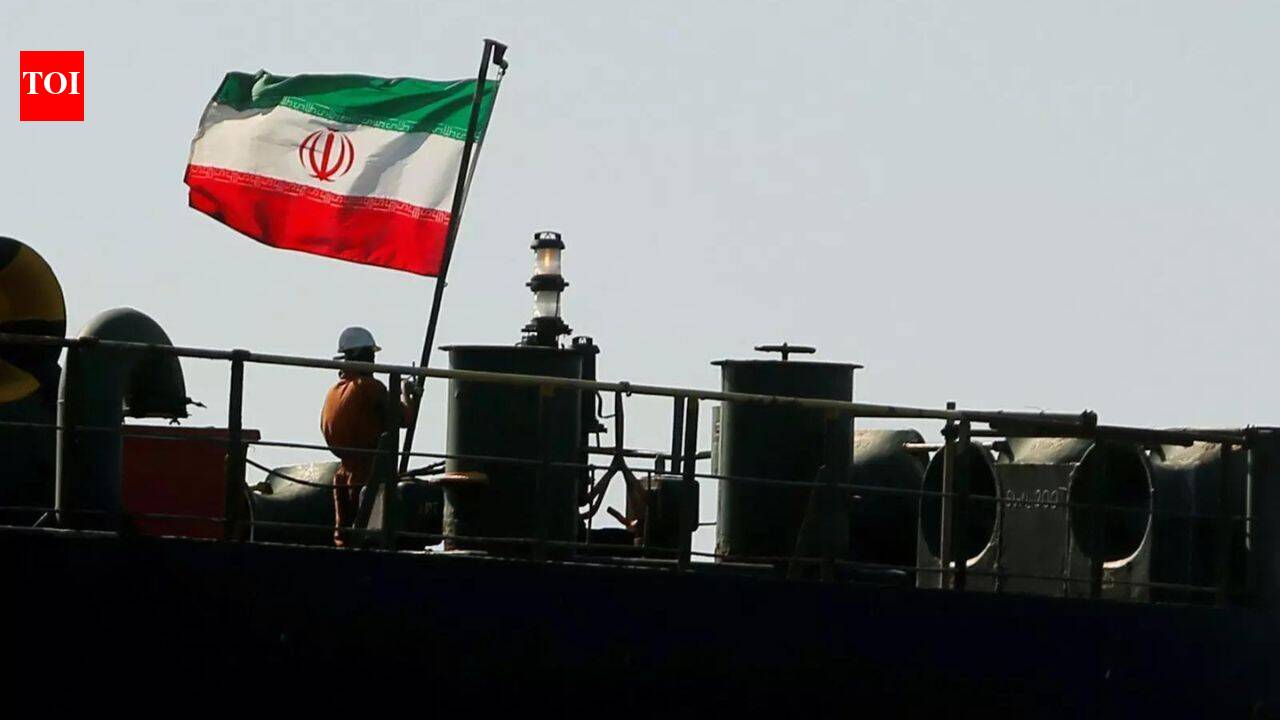
The escalation follows President Donald Trump's announcement of a crushing financial operation aimed at isolating the Islamic Republic. Trump characterized the incoming penalties as an Economic D-Day,
calling upon global allies to isolate Tehran and cripple its ability to finance regional activities. In contrast, Iranian President Masoud Pezeshkian dismissed the financial offensive, asserting that the global community has already accepted an Iranian victory and that the U.S. Has become globally hated, as noted in reports compiled by Times Now News.
The hardening rhetoric has also drawn sharp rebukes from Iranian diplomatic spokespersons. Foreign Ministry spokesperson Esmaeil Baghaei condemned the planned U.S. Measures, comparing them to a return to full-scale classic colonialism
and arguing that secondary sanctions violate the sovereign equality of independent states under the United Nations Charter. Meanwhile, Chinese officials have already voiced formal opposition to unilateral penalties that lack authorization from the UN Security Council.
Military tensions continue to parallel the financial standoff. The critical Strait of Hormuz remains a central flashpoint. Washington maintains that the waterway is open and operating under the protection of U.S. Naval blockades and military escorts, whereas Tehran insists the vital energy corridor will remain closed until American demands and pre-conditions are fully met. Independent tracking data indicates that commercial crossings through the strait have fallen significantly compared to pre-war averages, which typically saw roughly twenty million barrels of oil flow through the passage daily.
Amid the broader confrontation, diplomatic channels are straining to find a de-escalation path. Egypt and Oman have engaged in separate talks with Iranian counterparts to discuss potential mechanisms for reopening maritime routes and reviving previous frameworks, including the defunct June memorandum of understanding. At the same time, The Times of India reported that Russian personnel have begun returning to the Bushehr nuclear power plant, with Rosatom increasing its technical workforce at the facility.
Key Developments in the U.S.-Iran Standoff
- Economic Warnings: Tehran declares that nations participating in U.S. Sanctions will be treated as hostile entities with vulnerable interests.
- Strait of Hormuz Disruption: Washington asserts naval escorts are securing passage, while Iran vows the waterway stays closed until core demands are met.
- Global Energy Fallout: European finance ministers call for windfall taxes on soaring oil profits, while France and Saudi Arabia discuss pipeline bypasses.
- Diplomatic Maneuvering: Egypt and Oman continue shuttle diplomacy to explore renewed dialogue between Washington and Tehran.
As the conflict approaches its sixth month, analysts debate whether U.S. Economic penalties can succeed where past maximum pressure campaigns have stalled. The effectiveness of the new sanctions hinges heavily on regional financial hubs, particularly the United Arab Emirates, where a significant portion of foreign currency exchange traditionally takes place. Washington is expected to formalize the details of its unprecedented financial isolation package in the coming days, while regional stakeholders watch to see whether compliance or defiance will dictate the next phase of the crisis.
How significant is this development?
Contribute your assessment to the aggregated reader sentiment ledger.
Frequently Asked Questions
Key questions answered in this reportWhat is the key development in: Iran warns nations joining US sanctions will be treated as enemies?
Iran has issued a warning to the international community, declaring that any nation joining U.S. economic restrictions will be treated as an enemy.
Why is this World development significant for the UK?
This report covers critical events in our World beat. Independent reporting monitors related UK statements, regulatory shifts, and public responses as further verified details emerge.
How was this reporting corroborated and verified?
Newsarchy UK compiles and cross-references reporting from primary reporting from timesofindia.indiatimes.com and cross-checked wire reports. All coverage adheres to published editorial standards.
When was this report published?
This briefing was published on August 22, 2026 and is permanently cataloged in the Newsarchy UK World archives.