Itamar Ben-Gvir calls for killing 30 to 40 people in Gaza every night
Far-right Israeli National Security Minister Itamar Ben-Gvir has called for military strikes to kill 30 to 40 people in Gaza every night, sparking intense political controversy during delicate international ceasefire negotiations.
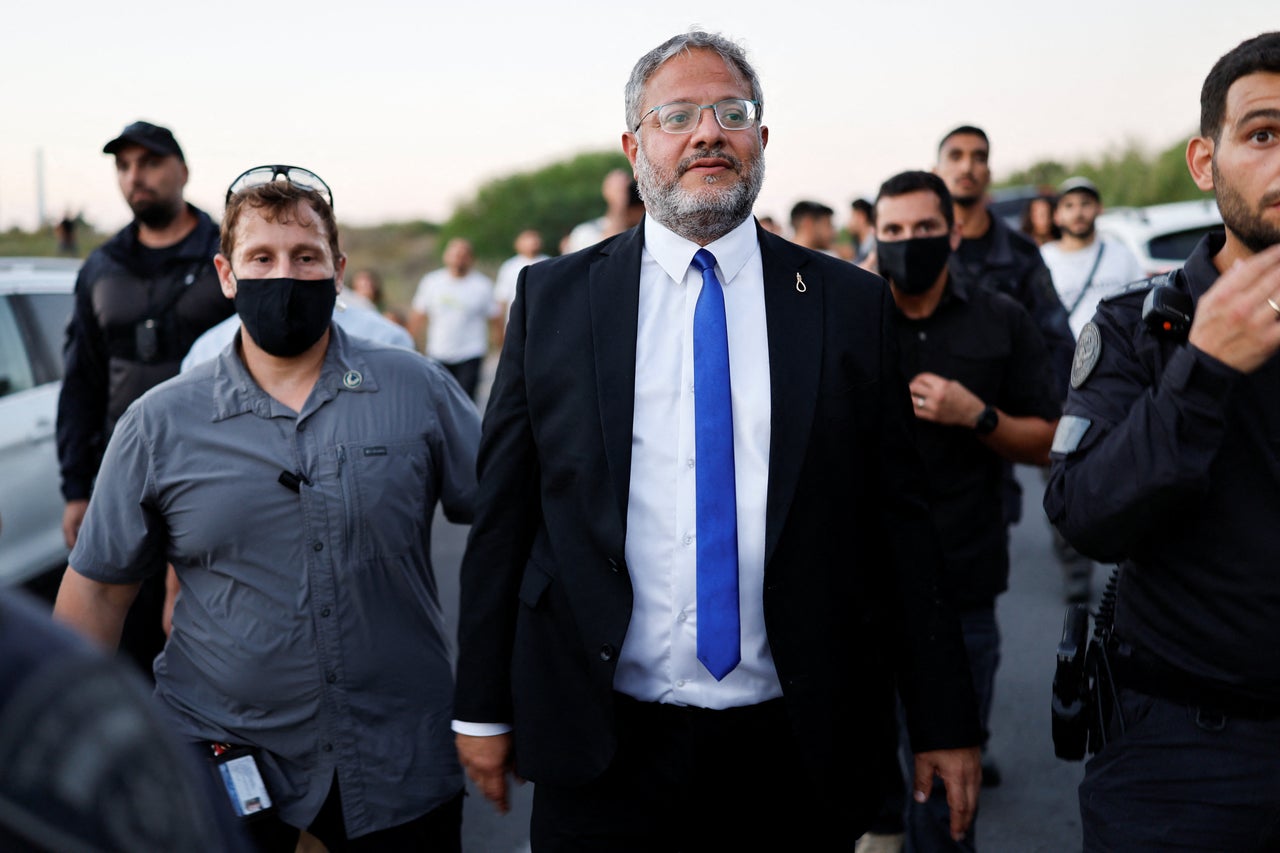
- Core Development: Far-right Israeli National Security Minister Itamar Ben-Gvir has called for military strikes to kill 30 to 40 people in Gaza every night, sparking intense political controversy during delicate international ceasefire negotiations.
- Beat Context: Categorized under World with independent corroboration.
- Reporting Depth: 4 minute analytical read synthesized from verified newsroom sources.
Far-right Israeli National Security Minister Itamar Ben-Gvir has publicly called for killing "30 to 40" people in Gaza every night, escalating political tensions as international mediators attempt to secure a lasting ceasefire and dismantle militant infrastructure across the enclave. Speaking on a podcast, the influential cabinet minister in Prime Minister Benjamin Netanyahu’s coalition argued that military strikes should extend far beyond individuals posing an immediate security threat.
According to primary reporting from Anadolu Agency and Muslim Mirror, Mr Ben-Gvir made the remarks during the inaugural episode of a podcast titled The 8 October. The programme is hosted by Rom Braslavski, a survivor of the Nova Music Festival attack who spent two years as a Hamas hostage. During the interview, Mr Ben-Gvir criticized what he described as a recent reduction in military strikes on the Gaza Strip, directly rebuking the approach taken by Mr Netanyahu.
Media additions

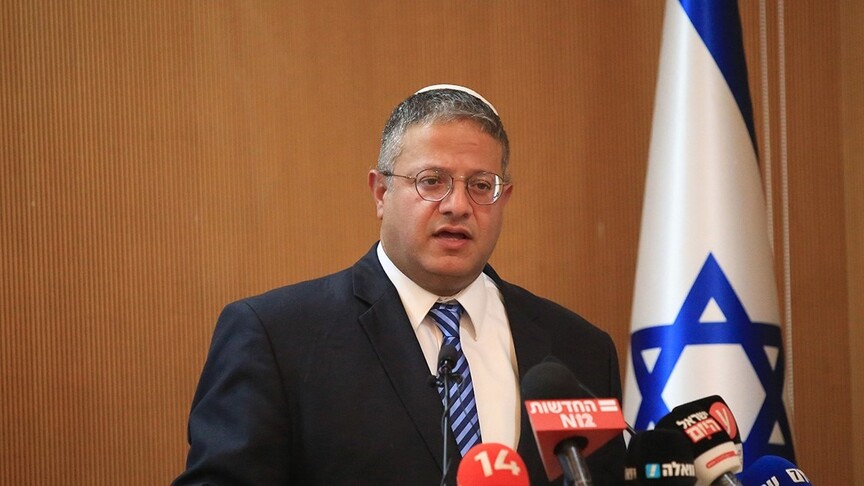

"I think targeted assassinations should be carried out in Gaza, taking down 30 to 40 every night. Not just those who pose an immediate threat – there are people there who are not worthy of life. They shouldn’t live. They’re not even people."
Itamar Ben-Gvir, National Security Minister, via AOL
The Free Malaysia Today coverage notes that the inflammatory interview generated wide attention in the Arab world. Yet, as reported by Aol and Muslim Mirror, domestic Israeli media outlets made scarce mention of the statement, a silence attributed to the growing mainstream acceptance of once-fringe far-right views ahead of elections scheduled for October 27. Mr Ben-Gvir, leader of the Jewish Power party, has operated for decades on the extreme fringe of Israeli politics but now commands significant authority over the national police force and the country’s prison system.
Human rights concerns surrounding Mr Ben-Gvir's portfolio have intensified. He has previously boasted of reducing food rations for Palestinian prisoners. In 2025, Israel’s top court ruled that the prison service under his administration failed to provide inmates with a minimum subsistence diet. Palestinian and Israeli rights organizations estimate that roughly 9,500 Palestinians, including women and children, are currently held in Israeli detention facilities. In the same podcast interview, Mr Ben-Gvir also advocated for outlawing Israeli coexistence groups such as Peace Now and Standing Together, accusing them of supporting terrorism.
Furthermore, Mr Ben-Gvir renewed demands for the mass emigration of Palestinians from Gaza and the re-establishment of Israeli settlements across the entire enclave, moving beyond the footprint of the Gush Katif settlement bloc that was dismantled when Israel withdrew its forces and citizens twenty years prior. International lawyers have warned that mass displacement proposals could constitute ethnic cleansing. Similar past remarks by Israeli officials have faced international condemnation and been cited at the International Court of Justice as potential evidence of genocidal intent, an accusation that Israel firmly rejects.
The controversy erupts against the backdrop of fragile diplomatic negotiations led by United States President Donald Trump’s administration. Jared Kushner, visiting Tel Aviv and holding direct talks in Cairo, announced that Hamas disarmament could begin within 30 days. According to a senior Israeli official cited by Free Malaysia Today, Mr Kushner and Mr Netanyahu agreed that an American general would supervise the decommissioning of weapons before any reconstruction or territorial redeployment takes place. This builds upon a roadmap accepted by Hamas on July 30, which designated US Major General Jasper Jeffers to lead an International Stabilization Force.
Despite Hamas signaling commitment to the diplomatic framework and agreeing to hand over heavy armaments, Mr Netanyahu has insisted that Israeli forces will not retreat from any positions in Gaza until the militant group is completely disarmed. This hardline posture has strained relations with Washington, particularly following the U.S. Decision to halt military operations against Iran and pursue a diplomatic settlement. Meanwhile, localized violence persists. According to Gaza's Health Ministry, Israeli operations have killed at least 1,265 Palestinians since an October truce agreement came into effect, while the Israeli military has reported five combat fatalities in Gaza over the same timeframe. Daily military airstrikes had recently eased in what AOL describes as a quiet concession to President Trump, restricting strike authority exclusively to the army's chief of staff—a limitation that directly provoked the fury of right-wing figures like Mr Ben-Gvir.
Key Developments and Timeline
- 7 October 2023: Hamas attacks Israel, killing about 1,200 people and taking 251 hostages, sparking the ongoing war.
- 2005: Israel withdraws forces and dismantles 21 Jewish settlements in the Gush Katif bloc within Gaza.
- 2025: Israel's top court rules that the prison system under Mr Ben-Gvir's control deprived Palestinian inmates of a minimum subsistence diet.
- 30 July 2026: Hamas accepts a ceasefire roadmap involving weapons decommissioning supervised by an international stabilization force.
- 16 August 2026: Mr Ben-Gvir's podcast comments calling for 30 to 40 nightly killings in Gaza are publicly reported.
- 18 August 2026: U.S. Envoy Jared Kushner states that Hamas disarmament and tunnel clearance could commence within 30 days.
- 27 October 2026: Scheduled date for Israeli national elections.
As diplomatic channels test whether disarmament can proceed under American supervision, broader international reporting on the region can be tracked via World coverage. What happens next depends heavily on whether the 30-day window yields tangible weapons handovers on the ground or whether right-wing political pressure within Mr Netanyahu's coalition fractures the fragile American-backed ceasefire framework before polling day.
How significant is this development?
Contribute your assessment to the aggregated reader sentiment ledger.
Frequently Asked Questions
Key questions answered in this reportWhat is the key development in: Itamar Ben-Gvir calls for killing 30 to 40 people in Gaza every night?
Far-right Israeli National Security Minister Itamar Ben-Gvir has called for military strikes to kill 30 to 40 people in Gaza every night, sparking intense political controversy during delicate international ceasefire negotiations.
Why is this World development significant for the UK?
This report covers critical events in our World beat. Independent reporting monitors related UK statements, regulatory shifts, and public responses as further verified details emerge.
How was this reporting corroborated and verified?
Newsarchy UK compiles and cross-references reporting from primary reporting from aol.com and cross-checked wire reports. All coverage adheres to published editorial standards.
When was this report published?
This briefing was published on August 18, 2026 and is permanently cataloged in the Newsarchy UK World archives.