Anthropic and SpaceX IPO processes frustrate Wall Street bankers with tight control
Wall Street bankers earned over half a billion dollars in fees from Anthropic's IPO, but many left frustrated by the company's unusually tight controls.
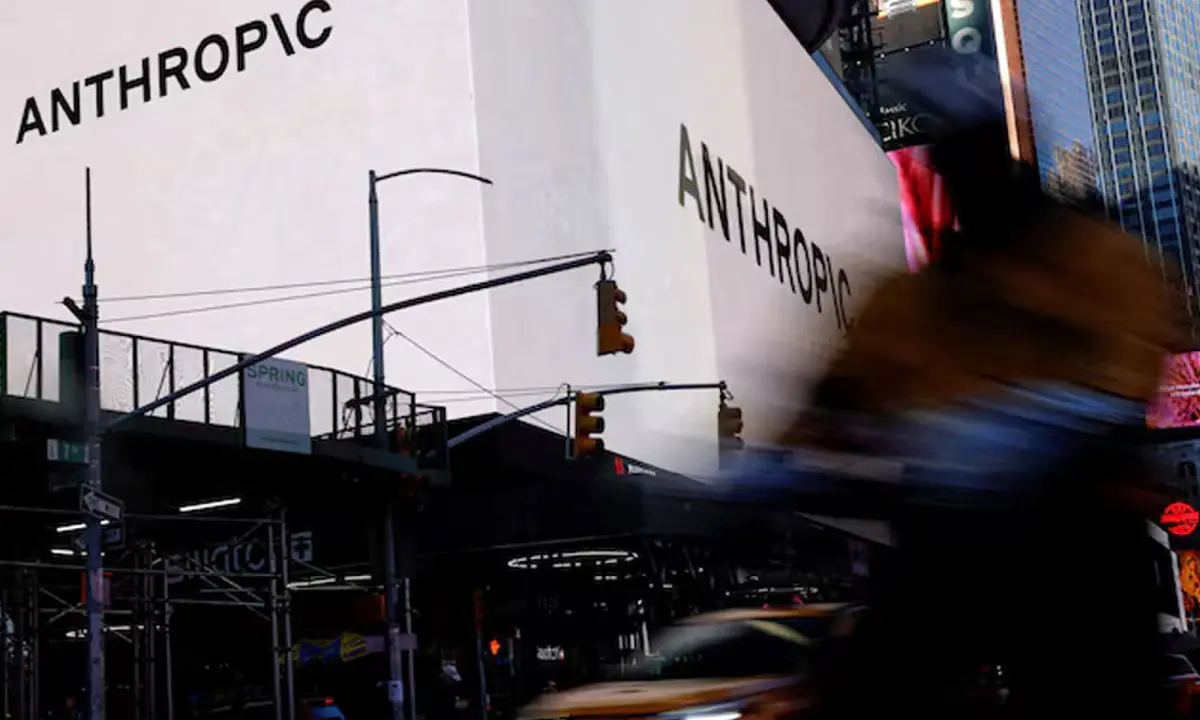
Wall Street bankers earned more than half a billion dollars in fees from Anthropic’s initial public offering, yet many left the deal privately complaining that the company’s unusually tight control made it one of the most difficult transactions they had handled.
For the second time this year, bankers and lawyers collected a massive payday from a record-setting IPO, and for the second time some emerged frustrated by a process unlike any they had worked on before, according to reporting by Reuters carried by Euronext Markets. With SpaceX’s June listing, banks earned half a billion dollars in fees while chafing over how tightly the Elon Musk-led company controlled the months-long process and kept financial information private. Anthropic’s offering, dubbed internally “Project Lantern,” eclipsed SpaceX on Thursday, and bankers took home more than half a billion dollars in fees.
The complaints centre on a compressed timeline marred by last-minute changes, delays in sharing financial projections, rushed document approvals, and highly unusual restrictions on bankers, several people close to the process told Reuters. Anthropic instructed some of its 22 underwriters to limit the number of bankers working on the deal to four, asking firms to ensure those bankers were senior staff, according to people familiar with the matter. One person said the restriction likely stemmed from fear of leaks, and that banks found a way to work around it anyway.
Anthropic asked some senior officers at banks working on its IPO to sign legal documents restricting core members of the transaction team from working with rival companies, including OpenAI, Cursor, DeepSeek and Hugging Face, for six months after it went public, according to the people. Bankers and lawyers said it is rare for an IPO to impose exclusivity this broad, particularly on individual bankers. In previous head-to-head IPOs such as those of ridesharing rivals Uber and Lyft, or real estate companies Trulia and Zillow, banks could simply pick a side, in part because the deals were smaller and required fewer banks. Anthropic, by contrast, needed a broad syndicate to raise the enormous amount of capital it was seeking.
One banker who declined to sign the agreement said it was a challenge to find people who could promise not to actively cover or engage with Anthropic’s peers, especially as several of those companies pursue their own initial or secondary offerings.
Document controls added further friction. Anthropic used a product called NetRoadshow to share information with most of the underwriting banks instead of regular PDFs. NetRoadshow logs access details, including who has seen a document and which page they looked at, and documents carried individual bankers’ names as watermarks. The platform would not let bankers save copies of documents, complicating their work, according to one person close to the process.
Leaks continued to surface in the press. Nearly four weeks before Anthropic’s Form S-1 filing with the Securities and Exchange Commission was made public, Reuters reported on it, revealing details of the company’s financials, risk factors, dealings with other tech companies and other information.
Anthropic planned to file an updated securities filing, called an S-1A, with the SEC with the price range and to launch marketing on November 10. To do so, it needed to send a draft to all the banks in its syndicate for them to sign off on it. The night before, a law firm on the deal sent a PDF to the banks about the sale of shares in Canada, then followed with another email asking them to disregard it, saying it “contains incorrect price range and share information,” according to the email seen by Reuters. The correct S-1A was then sent via NetRoadshow around 2 a.m. New York time. Banks were told they had several hours to sign off on it before it was filed with the SEC.
Underlying these complaints is a new power dynamic between technology companies and Wall Street. Companies such as SpaceX and Anthropic — and potentially also OpenAI in the future — have come to wield enormous power as demand for their shares creates frenzied investor interest, and they are using it to do things their way. That is upsetting some bankers, but banks and investors appear to have little choice but to play along.
“These companies certainly did have some market power to tell underwriters that it’s not going to be business as usual,”
Jay Ritter, University of Florida professor emeritus who researches IPOs, via Reuters
Ritter added that both SpaceX and Anthropic had negotiated to pay underwriters nothing on the additional shares sold through the greenshoe option. “I don't think most companies are going to be able to demand zero spread on overallotment shares,” he said.
Anthropic, Goldman Sachs and Morgan Stanley, the two lead underwriters on the two IPOs, declined to comment.
Both SpaceX and Anthropic debuted successfully, raising record amounts of money, and their shares rallied initially. Thanks to demand for AI shares, both companies had order books oversubscribed many times over. After an initial burst, the trajectories diverged. SpaceX climbed to a post-listing peak of $201.80 on June 16 before retreating below its $135 IPO price for the first time in mid-July. Anthropic’s shares rose 17% on their first day, then closed down 8.5% on Friday after a dramatic unraveling of the AI trade showed that even a blockbuster listing could not shake the gloom hanging over the sector.