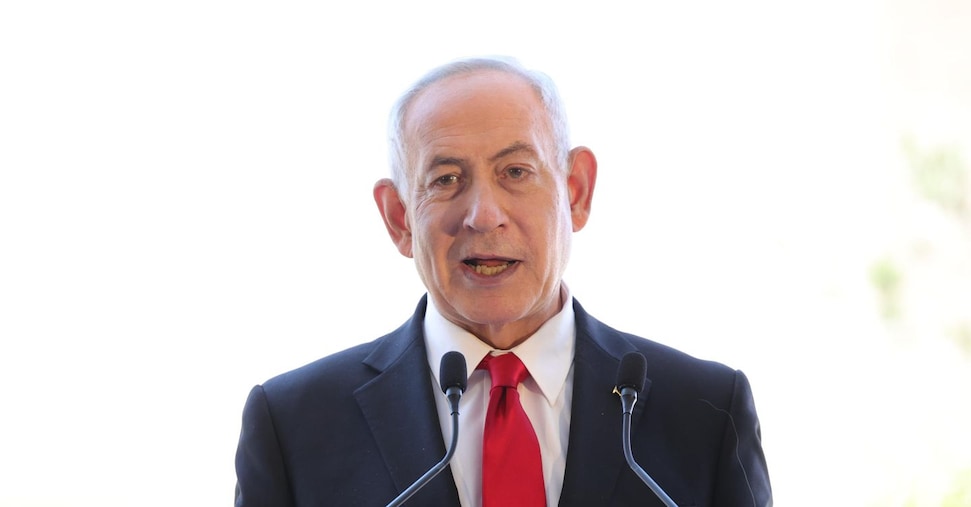
Israel rejects US-led 15-point Gaza peace plan, says Netanyahu
Israeli Prime Minister Benjamin Netanyahu has rejected a US-backed 15-point peace plan for Gaza, creating a public rift with the Trump administration over military withdrawal and disarmament demands.
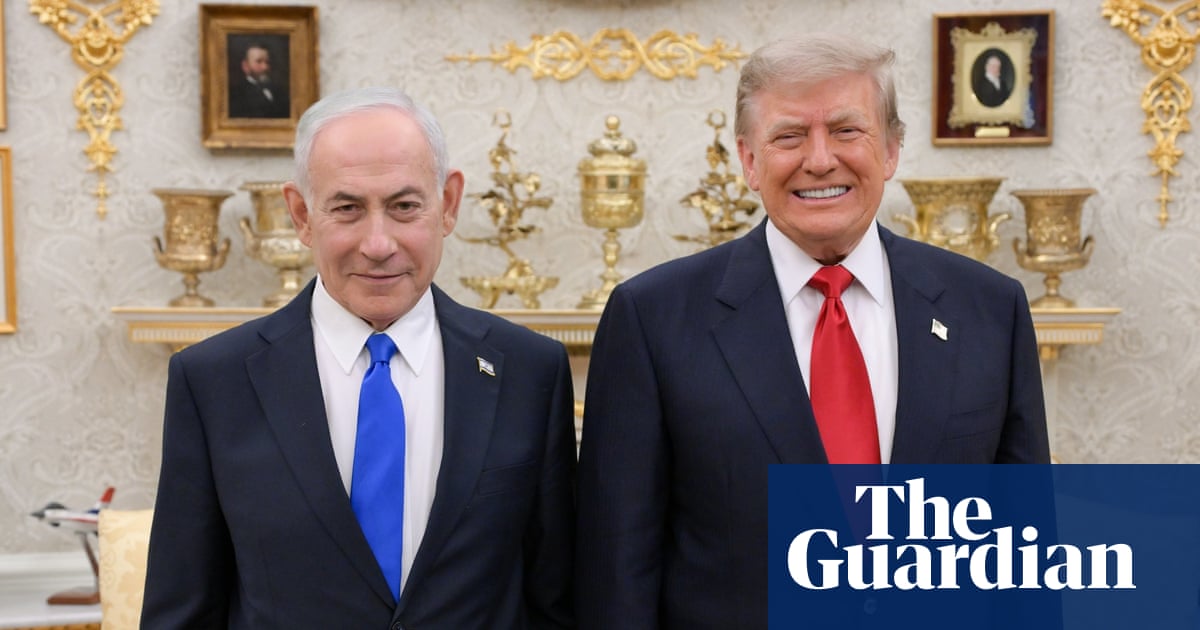
- Core Development: Israeli Prime Minister Benjamin Netanyahu has rejected a US-backed 15-point peace plan for Gaza, creating a public rift with the Trump administration over military withdrawal and disarmament demands.
- Beat Context: Categorized under World with independent corroboration.
- Reporting Depth: 3 minute analytical read synthesized from verified newsroom sources.
Israeli Prime Minister Benjamin Netanyahu formally rejected a US-led 15-point peace plan for Gaza during a cabinet meeting on Sunday, 9 August 2026. Speaking to ministers, Netanyahu declared that the Israel Defense Forces would maintain their positions and refuse any military withdrawal until Hamas is entirely disarmed, creating a rare public rift with the Trump administration, according to international reporting.
The announcement represents an open challenge to US President Donald Trump, who had previously heralded the agreement as a historic breakthrough. Netanyahu told ministers that he was confronting a wave of domestic rumours regarding Israeli weakness and pushed back against external pressure to end military operations without direct Israeli buy-in. According to The Guardian, the Israeli leader stated that his government would stand its ground even against its closest international allies.
Media additions

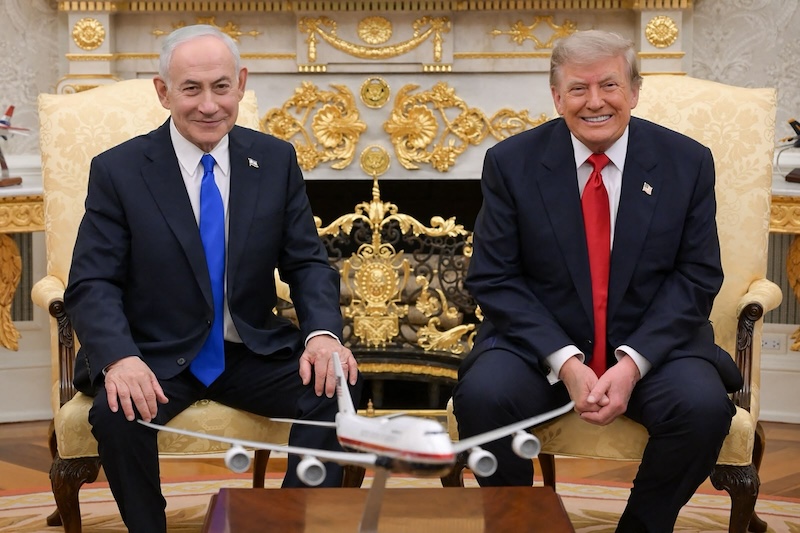
The framework was drafted by Nickolay Mladenov, high representative for Gaza of the Board of Peace, and officially announced by Trump. The 15-point roadmap envisaged staged implementation, focusing initially on heavy weapons, military production sites, weapon depots, and underground tunnels before an eventual transition of power to an independent Palestinian National Committee. While the US-backed proposal sought a full Israeli military withdrawal coupled with this political transition, Netanyahu demanded genuine and complete disarmament—including lighter weaponry—before any pull-back occurs.
Netanyahu faces tough elections in October and intense pressure from hardline members of his governing coalition, including National Security Minister Itamar Ben Gvir, who also dismissed the draft framework as unacceptable. Netanyahu stated that as long as he is prime minister, no Palestinian state will arise.
The sequencing of the roadmap has created immediate friction among the parties. Hamas previously stated it accepted the roadmap's second phase conditionally, insisting on a complete halt to military operations and an Israeli withdrawal from the enclave, alongside progress on reconstruction. However, with Israeli forces estimated to control roughly seventy percent of Gaza and continuing near-daily attacks, analysts interviewed by Yahoo News and Al Jazeera noted that Netanyahu's insistence on total disarmament leaves the mediators' sequencing strategy in deep question. Al Jazeera journalists reporting from Gaza City and Bethlehem noted that Netanyahu's conditions could prove extremely problematic for the Board of Peace and mediators who have worked for months to carry out disarmament.
Human cost figures underscore the ongoing fragility on the ground. According to Gaza health authorities cited in the reporting, more than 1,250 people have been killed and over 4,120 wounded since a nominal ceasefire came into effect in mid-October 2025, with more than 800 bodies recovered from rubble. The cumulative death toll since the outbreak of hostilities in October 2023 exceeds 73,300 fatalities alongside 174,000 injuries.
Neither the White House nor Hamas issued an immediate formal response to Netanyahu's address. Discussions between Israeli and American officials remain ongoing, with Netanyahu acknowledging that Washington has put forward various concepts, some of which remain unacceptable to Jerusalem.
What to Watch Next
- Whether the Trump administration increases diplomatic pressure on Netanyahu or allows the Board of Peace initiative to stall indefinitely.
- Developments in parallel US-led negotiations concerning Lebanon and Iran amid interconnected regional conflicts.
- The domestic political fallout in both Israel and the United States ahead of looming electoral cycles.
How significant is this development?
Contribute your assessment to the aggregated reader sentiment ledger.
Frequently Asked Questions
Key questions answered in this reportWhat is the key development in: Israel rejects US-led 15-point Gaza peace plan, says Netanyahu?
Israeli Prime Minister Benjamin Netanyahu has rejected a US-backed 15-point peace plan for Gaza, creating a public rift with the Trump administration over military withdrawal and disarmament demands.
Why is this World development significant for the UK?
This report covers critical events in our World beat. Independent reporting monitors related UK statements, regulatory shifts, and public responses as further verified details emerge.
How was this reporting corroborated and verified?
Newsarchy UK compiles and cross-references reporting from primary reporting from theguardian.com and cross-checked wire reports. All coverage adheres to published editorial standards.
When was this report published?
This briefing was published on August 9, 2026 and is permanently cataloged in the Newsarchy UK World archives.