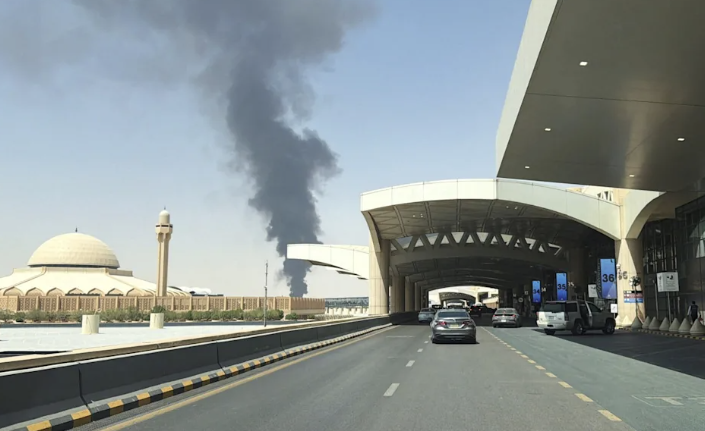
Oman presents Iran with GCC-backed plan for voluntary Hormuz fees
Oman has delivered a GCC-backed proposal to Iran suggesting joint supervision of the Strait of Hormuz and voluntary navigation fees to help resolve ongoing trade disruptions.
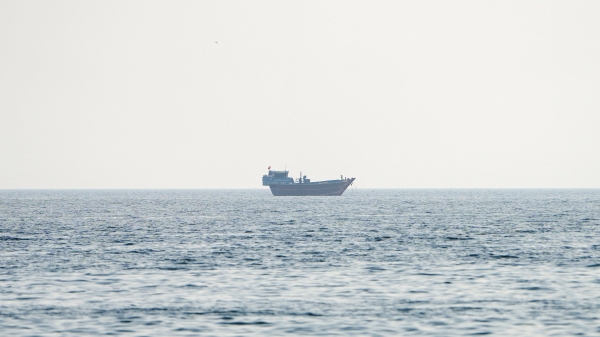
- Core Development: Oman has delivered a GCC-backed proposal to Iran suggesting joint supervision of the Strait of Hormuz and voluntary navigation fees to help resolve ongoing trade disruptions.
- Beat Context: Categorized under World with independent corroboration.
- Reporting Depth: 5 minute analytical read synthesized from verified newsroom sources.
On July 28, Oman handed Iran a draft scheme that the Gulf Cooperation Council (GCC) backs, proposing that the two neighbours jointly supervise the Strait of Hormuz while allowing ship owners to make voluntary contributions for navigation safety, environmental protection and search‑and‑rescue services. The model mirrors the voluntary levy used in the Strait of Malacca, where Indonesia, Malaysia and Singapore ask vessels to tick a box in exchange for funding similar services.
The Omani draft was delivered in Tehran over the weekend, according to both a Gulf source and a Western diplomat briefing Reuters. A senior Iranian official said Tehran has not yet provided a formal reply, but the proposal is meant to serve as a “basis to end the disruption to trade” caused by the U.S.–Israeli war on Iran.
Media additions
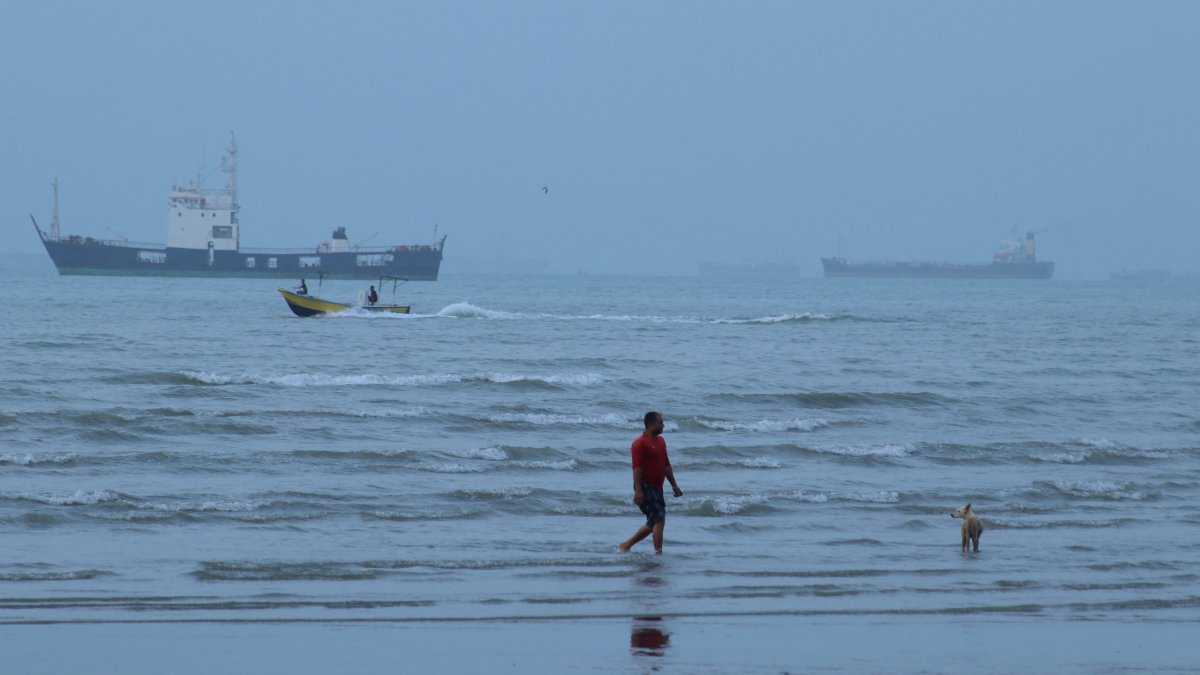
How the plan fits into the wider diplomatic tug‑of‑war
Since the U.S. And Israel struck Iranian facilities on Feb 28, Iran shut the strait to all foreign traffic. A limited reopening followed a June agreement on a framework for talks aimed at ending the five‑month conflict, but the truce collapsed in early July after Iran fired on ships using an unapproved channel. Washington’s stated goal is to return to the pre‑war status quo, when vessels could pass without any payment, and it argues that mandatory fees would breach international law.
By contrast, the Omani proposal explicitly removes sole Iranian control. “Under the Omani proposal, Iran would not exercise sole control and fees would be voluntary,” the Gulf source and Western diplomat told Reuters. The voluntary mechanism was likened by the diplomat to a “voluntary carbon tax for flights,” suggesting that a commercial opt‑in could fund essential services without imposing a legal burden on shipowners.
U.S. Officials have repeatedly said that any compulsory levy would be illegal. The administration’s position, articulated after the latest pause in bombing, is that ships should be able to transit without any payment, echoing the arrangement that existed before Feb 28.
Regional reactions and parallel initiatives
GCC foreign ministers convened via video on Tuesday, a meeting confirmed by a statement from the Qatari Foreign Ministry. The ministers discussed “ways to intensify cooperation on freedom and safety of vessels” through the waterway, underscoring the coalition’s backing of the Omani draft.
Iran’s foreign minister, Abbas Araqchi, raised the issue with his Omani and Saudi counterparts on Monday, emphasizing the need for a regional solution. An Iranian Foreign Ministry statement said Araqchi stressed that cooperation was essential for maintaining free navigation and preventing further trade disruption.
The Iranian joint military command again dismissed a separate Trump‑proposed scheme that would have used frozen Iranian assets to compensate vessels damaged in the conflict. The command warned that any country or company accepting such payments would be barred from Hormuz.
Drone attacks were reported on Monday in Jordan, Saudi Arabia and northern Iran, and Jordan reported another downed drone on Tuesday. Iran has said it will hold fire as long as Washington does, a stance reiterated after the latest strikes and drone incidents.
Economic ripple effects
The cessation of the U.S. Bombing campaign over the weekend sent oil markets tumbling, with Brent crude futures dropping by more than 2 % on Tuesday, according to market reports cited by Reuters. The price decline reflected the market’s reaction to a reduced risk of further disruption in a strait that previously carried about a fifth of global oil and liquefied natural gas supplies.
Trump, in a Fox News interview on Tuesday, said the United States was in a “strong position” but preferred to avoid further strikes. He also warned that if negotiations stalled, the U.S. Could resume attacks, echoing his earlier remarks about the potential targeting of Iran’s “Pickaxe Mountain” facility.
Points of contention in the June framework
The June agreement laid out a timetable for talks to be completed by the end of August, covering Iran’s nuclear programme and the status of the strait. Washington and Tehran have since disputed the wording of the memorandum regarding Hormuz. The United States insists the text requires Iran to permit free passage, whereas Iran interprets it as granting Tehran authority to supervise transit and collect service fees.
Both sides cite the same document but read opposite meanings, a deadlock that the Omani proposal seeks to sidestep by offering a voluntary, jointly managed alternative. The GCC’s endorsement adds diplomatic heft, but the plan’s success hinges on Tehran’s response and Washington’s willingness to accept a model that does not enshrine mandatory payments.
What to watch next
- Iran’s formal reply to the Omani draft, expected in the coming days, will indicate whether the voluntary‑fee model can move beyond discussions.
- The scheduled meeting between President Trump and Israeli Prime Minister Benjamin Netanyahu in Washington on Tuesday may shape the U.S. Approach to any further pressure on Iran.
- The end‑August deadline for the broader June framework remains a pivotal checkpoint; any progress or stalemate will directly affect the fate of the Hormuz proposal.
- Continued monitoring of drone incidents in the region will test Iran’s claim that it will hold fire as long as the United States does.
"I think there's a good chance that something could happen, and if it does, good, if it doesn't, we go back to doing what we were doing two days ago."
Donald Trump, U.S. President, via Daily Sabah
How significant is this development?
Contribute your assessment to the aggregated reader sentiment ledger.
Frequently Asked Questions
Key questions answered in this reportWhat is the key development in: Oman presents Iran with GCC-backed plan for voluntary Hormuz fees?
Oman has delivered a GCC-backed proposal to Iran suggesting joint supervision of the Strait of Hormuz and voluntary navigation fees to help resolve ongoing trade disruptions.
Why is this World development significant for the UK?
This report covers critical events in our World beat. Independent reporting monitors related UK statements, regulatory shifts, and public responses as further verified details emerge.
How was this reporting corroborated and verified?
Newsarchy UK compiles and cross-references reporting from primary reporting from dailysabah.com and cross-checked wire reports. All coverage adheres to published editorial standards.
When was this report published?
This briefing was published on July 28, 2026 and is permanently cataloged in the Newsarchy UK World archives.