Poland angry as European Commission pushes billions for Ukraine's defense
Poland and other EU member states have criticized the European Commission for proposing to redirect unused SAFE defense loan funds toward Ukraine without prior consultation.
- Core Development: Poland and other EU member states have criticized the European Commission for proposing to redirect unused SAFE defense loan funds toward Ukraine without prior consultation.
- Beat Context: Categorized under World with independent corroboration.
- Reporting Depth: 4 minute analytical read synthesized from verified newsroom sources.
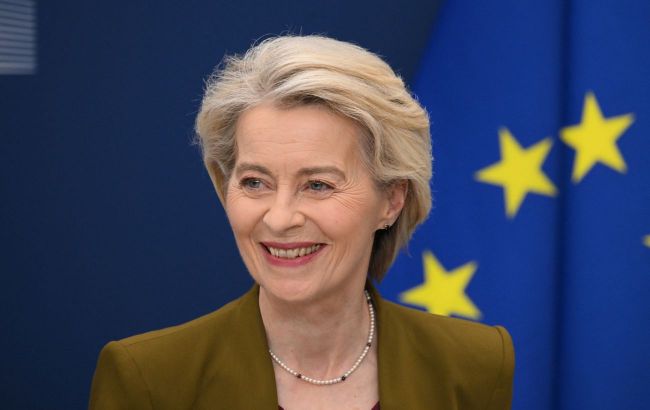
Poland is among the EU countries surprised by European Commission President Ursula von der Leyen's announcement of her intention to redirect unused funds from the SAFE defense program to joint projects with Ukraine. Warsaw itself was counting on receiving these funds for its own defense programs, according to RMF24.
The controversy centers on the SAFE defense program, which is not a grant, but a loan that EU countries take on and then repay themselves. Warsaw had planned to apply for the second phase of the program and receive the portion of funds that other countries had not managed to use to finance their own defense developments. Instead, von der Leyen announced that the remaining SAFE funds are planned to be allocated not to EU countries, but to joint programs with the Ukrainian defense industry, according to European Commissioner for Defence Andrius Kubilius, with an estimated €10-20 billion, in particular for the FREYA air and missile defense system.
Media additions


A diplomatic source in Brussels complained to a journalist from the Polish radio station RMF FM that there had been no prior consultations with member states regarding this decision. Critics argued that because individual capitals bear the burden of loan repayment, decisions on surplus allocation should rest with national governments rather than the European Commission. How much funding will actually remain unused is not yet known. EU countries have until the end of October to report on their projects - only then will it become clear how much funding will be freed up. Italy, for example, has been allocated nearly €15 billion but has not yet signed an agreement for the full amount - they are weighing how the loan will affect the budget deficit. A similar situation exists with Hungary, which has been allocated approximately €16 billion.
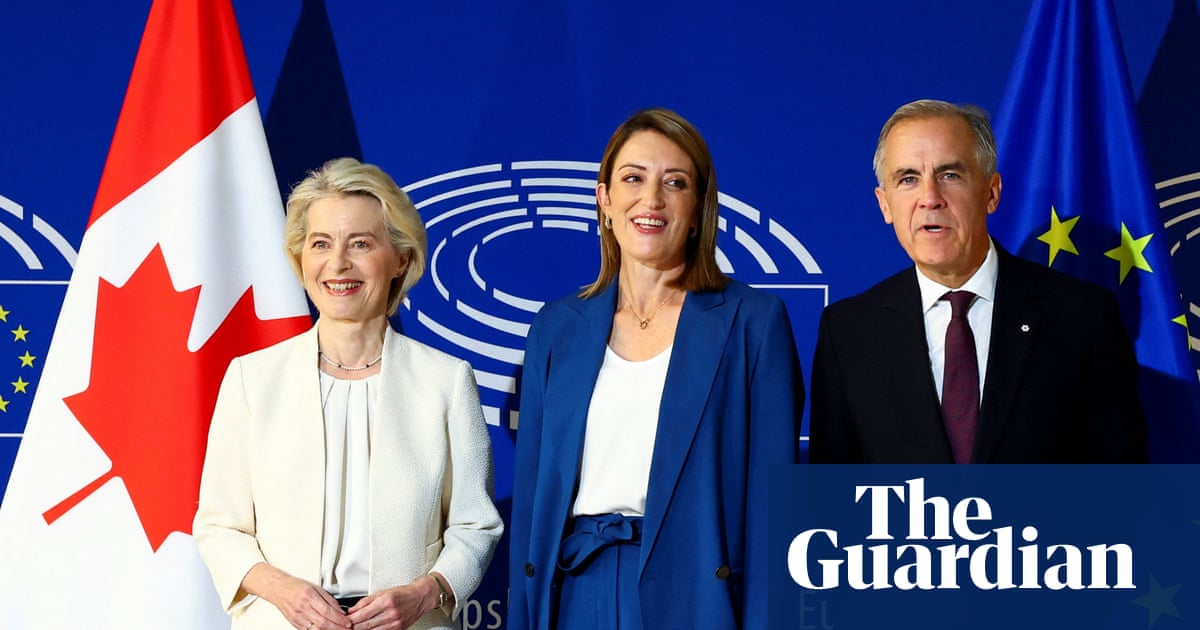
While the defense funding dispute strains internal relations, Brussels simultaneously launched a sweeping external overture. During her annual State of the European Union address on Wednesday in Strasbourg, France, European Commission President Ursula von der Leyen proposed making Canada the European Union’s first associate member (Boston Herald). The move follows U.S. President Donald Trump’s tariffs and repeated talk of making Canada the 51st state, which have soured the relationship between the North American neighbors and driven Ottawa closer to Europe.
Canadian officials welcomed the overture as an opportunity to reinforce national sovereignty by diversifying economic ties (NPR). Yet the proposal caught many European diplomats by surprise (KSL News), as no rulebook on how that would work or what it would mean in practice exists, and any formal arrangement would require unanimous approval by the 27 member countries (Boston Herald). Jonathan Wilkinson, Canada’s ambassador-designate to the EU, said that Ottawa is not seeking full membership because it would require surrendering some sovereignty, preferring instead “to get as close as we possibly can” to the bloc in a way that strengthens Canadian sovereignty rather than diminishes it (Boston Herald).
Domestic political backlash has also materialized swiftly. In Canada, Conservative Leader Pierre Poilievre, posted on social media that he feared Canadians “struggling to pay their rent” would have to pay more taxes “to fund the European Union’s heavy bureaucracy” (The Guardian).
| Initiative / Program | Estimated Value | Key Participants & Stakeholders | Current Status & Next Steps |
|---|---|---|---|
| SAFE Defense Program | €10–20 billion (estimated unused funds) | European Commission, Poland, Italy, Hungary, Ukraine | Pending member state project reports due by late October; funding redirection under debate. |
| Canada-EU "Alliance for the Future" | Unspecified (Building upon CETA) | European Union, Canadian Prime Minister Mark Carney | Substantive talks scheduled for the Canada-EU summit in late October. |
What to Watch Next
- Late October Summit: Negotiators from Ottawa and Brussels are set to meet at the Canada-EU summit in October to settle on how to describe the relationship and make an announcement (Boston Herald).
- October SAFE Deadline: EU countries have until the end of October to report on their projects - only then will it become clear how much funding will be freed up (NewsUkraine).
- Parliamentary Debates: Prime Minister Mark Carney is due to address the Parliament on Thursday (Boston Herald).
How significant is this development?
Contribute your assessment to the aggregated reader sentiment ledger.
Frequently Asked Questions
Key questions answered in this reportWhat is the key development in: Poland angry as European Commission pushes billions for Ukraine's defense?
Poland and other EU member states have criticized the European Commission for proposing to redirect unused SAFE defense loan funds toward Ukraine without prior consultation.
Why is this World development significant for the UK?
This report covers critical events in our World beat. Independent reporting monitors related UK statements, regulatory shifts, and public responses as further verified details emerge.
How was this reporting corroborated and verified?
Newsarchy UK compiles and cross-references reporting from primary reporting from bostonherald.com and cross-checked wire reports. All coverage adheres to published editorial standards.
When was this report published?
This briefing was published on September 16, 2026 and is permanently cataloged in the Newsarchy UK World archives.