Riyadh Airport Attack Leaves 12 Dead and Over 300 Injured
Riyadh Airport Attack Leaves 12 Dead and Over 300 Injured

- Core Development: Riyadh Airport Attack Leaves 12 Dead and Over 300 Injured
- Beat Context: Categorized under World with independent corroboration.
- Reporting Depth: 4 minute analytical read synthesized from verified newsroom sources.
A devastating missile strike on the main international gateway in Saudi Arabia’s capital has left twelve people dead and more than three hundred injured, marking a dramatic and deadly escalation in regional hostilities. The attack on King Khalid International Airport struck a complex housing domestic terminals and triggered an immediate suspension of flight operations across the facility. The casualty figures represent the highest death toll recorded in any Gulf Arab nation since the wider conflict began in February, rattling energy markets and drawing swift international condemnation.
According to the Saudi General Authority of Civil Aviation, the victims of the Saturday afternoon strike included four Saudi nationals and eight foreign residents. Among the dead were two individuals from Bangladesh and one person each from the United States, Egypt, Jordan, Syria, Sudan, and Palestine. Medical personnel scrambled to treat the wounded individuals across multiple hospitals, with several patients listed in critical condition after ambulances and helicopters flooded medical facilities.
Media additions
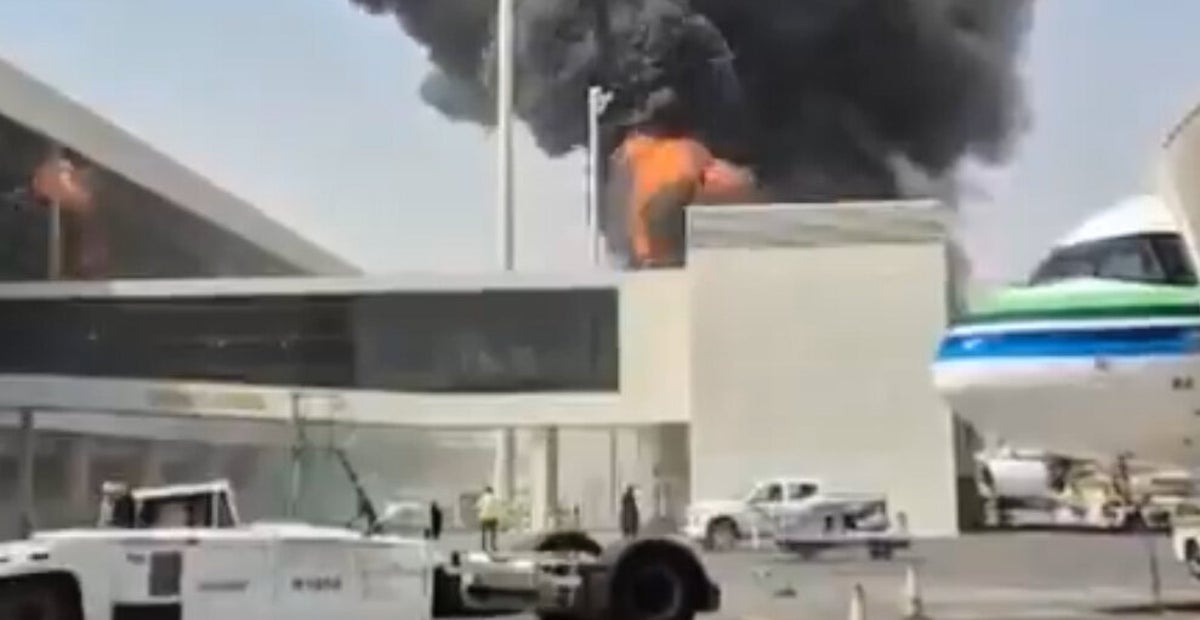


Eyewitnesses inside the terminal described scenes of panic and destruction. One traveller reported seeing a projectile cross the sky before a portion of the ceiling near a departure gate collapsed, leaving injured people on the blood-stained floor as crowds fled. More than a dozen ambulances rushed to the scene as heavy police presence blocked entrances and lights around the complex were dimmed. The Saudi-led coalition fighting in Yemen blamed the Iran-backed Houthi militia for the assault, categorizing the strike on passenger infrastructure as a "fully-fledged war crime" and promising a decisive response.
| Nationality of Victim | Number Killed |
|---|---|
| Saudi Arabia | 4 |
| Bangladesh | 2 |
| United States | 1 |
| Egypt | 1 |
| Jordan | 1 |
| Syria | 1 |
| Sudan | 1 |
| Palestinian Territories | 1 |
The violent escalation follows a turbulent week of cross-border skirmishes. The same airport had experienced previous strikes earlier in the week, including an assault that killed three people, among them a pilot. Anews and other outlets reported that the continuous barrage prompted aviation authorities to ground flights temporarily while structural damage assessments and safety evaluations were conducted. Flight-tracking data showed that hundreds of flights were either cancelled or diverted, leaving major carriers like Kuwait Airways to suspend services to the capital. Western governments, including the United States, Britain, Canada, and Australia, issued urgent advisories urging their citizens to steer clear of the facility.
The geopolitical fallout has been immediate. Asked by reporters whether Washington intended to provide direct military backing to Riyadh in response to the carnage, U.S. President Donald Trump left the door open to intervention. We may. We’re going to look at it,
he told reporters, emphasizing that his administration moves quickly when making decisions. U.S. Secretary of State Marco Rubio confirmed that an American citizen was among the dead and denounced the strike as a blatant disregard for innocent civilian life. India’s Ministry of External Affairs also issued a strong condemnation, calling the targeting of civilian areas completely unacceptable
and affirming solidarity with Saudi sovereignty.
The broader conflict has roots in the ongoing civil war in Yemen, where a Saudi-led coalition has provided air support for government forces attempting to reverse recent Houthi advances along the Red Sea coast. Those territorial gains gave the rebels strategic advantages near the Bab al-Mandab Strait. While the Houthis have asserted they are targeting Saudi infrastructure in retaliation for blockades and coalition airstrikes, international bodies have warned of severe humanitarian and regional consequences. United Nations Secretary-General António Guterres declared himself deeply shocked by the violence, insisting that assaults on civilian infrastructure violate international law and must cease immediately.
As diplomatic channels strain, diplomatic sources and regional observers note that the widening theater of war threatens critical global energy hubs and commercial transit corridors. Regional counterparts, including Oman, have engaged in frantic telephone diplomacy to explore de-escalation paths. Meanwhile, travellers face continued disruptions as airlines re-evaluate the safety of airspace across the kingdom. Authorities have warned the public against sharing unverified footage of missile defense intercepts online, pointing to strict legal liabilities as security forces maintain a lockdown around the capital's crippled aviation hub. For further details on regional developments, consult our World coverage.
How significant is this development?
Contribute your assessment to the aggregated reader sentiment ledger.
Frequently Asked Questions
Key questions answered in this reportWhat is the key development in: Riyadh Airport Attack Leaves 12 Dead and Over 300 Injured?
Riyadh Airport Attack Leaves 12 Dead and Over 300 Injured
Why is this World development significant for the UK?
This report covers critical events in our World beat. Independent reporting monitors related UK statements, regulatory shifts, and public responses as further verified details emerge.
How was this reporting corroborated and verified?
Newsarchy UK compiles and cross-references reporting from primary reporting from bluewin.ch and cross-checked wire reports. All coverage adheres to published editorial standards.
When was this report published?
This briefing was published on October 11, 2026 and is permanently cataloged in the Newsarchy UK World archives.