Ukraine claims world’s first battlefield drone rescue of wounded soldier
Ukraine's military has used a modified heavy-lift hexacopter to evacuate a wounded soldier from a frontline position blocked by landmines and enemy drones.
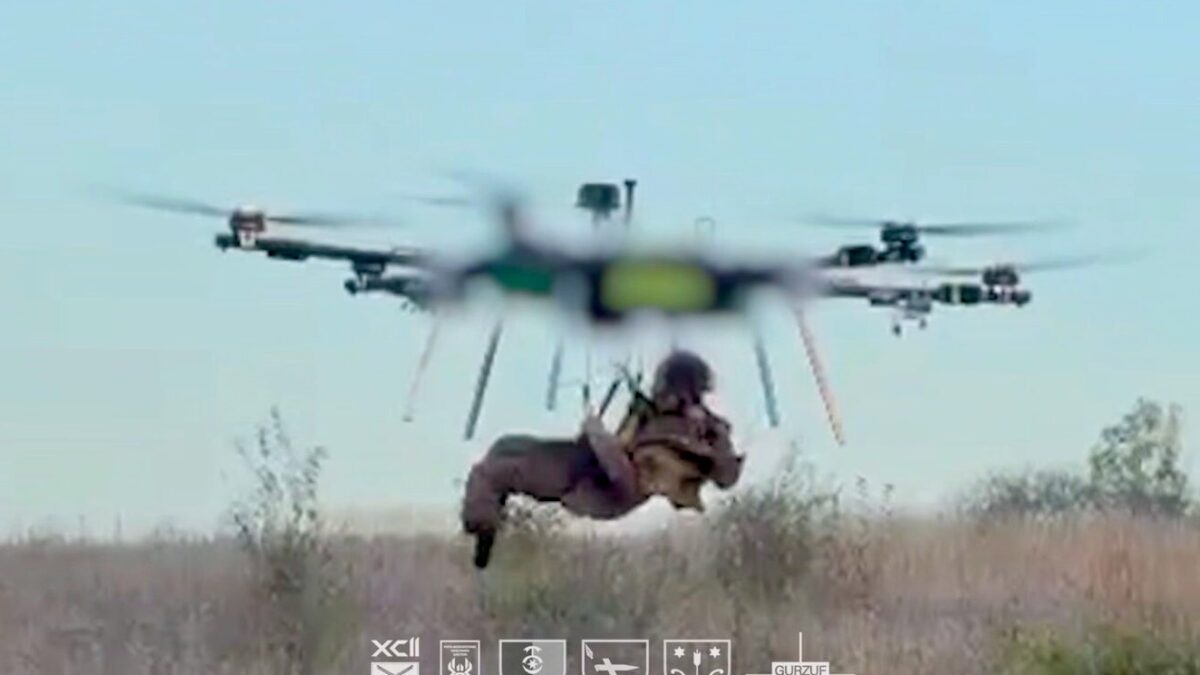
- Core Development: Ukraine's military has used a modified heavy-lift hexacopter to evacuate a wounded soldier from a frontline position blocked by landmines and enemy drones.
- Beat Context: Categorized under World with independent corroboration.
- Reporting Depth: 4 minute analytical read synthesized from verified newsroom sources.
Ukrainian military units have carried out what is being claimed as the world’s first battlefield evacuation of a wounded soldier using an aerial heavy-lift drone. The extraordinary mission, announced on October 19, 2026, and Monday, October 20, 2026, relied on a modified hexacopter to lift an injured infantryman from a front-line position blocked by heavy Russian drone activity and dense minefields where ground rescue had become impossible according to Aerotime.
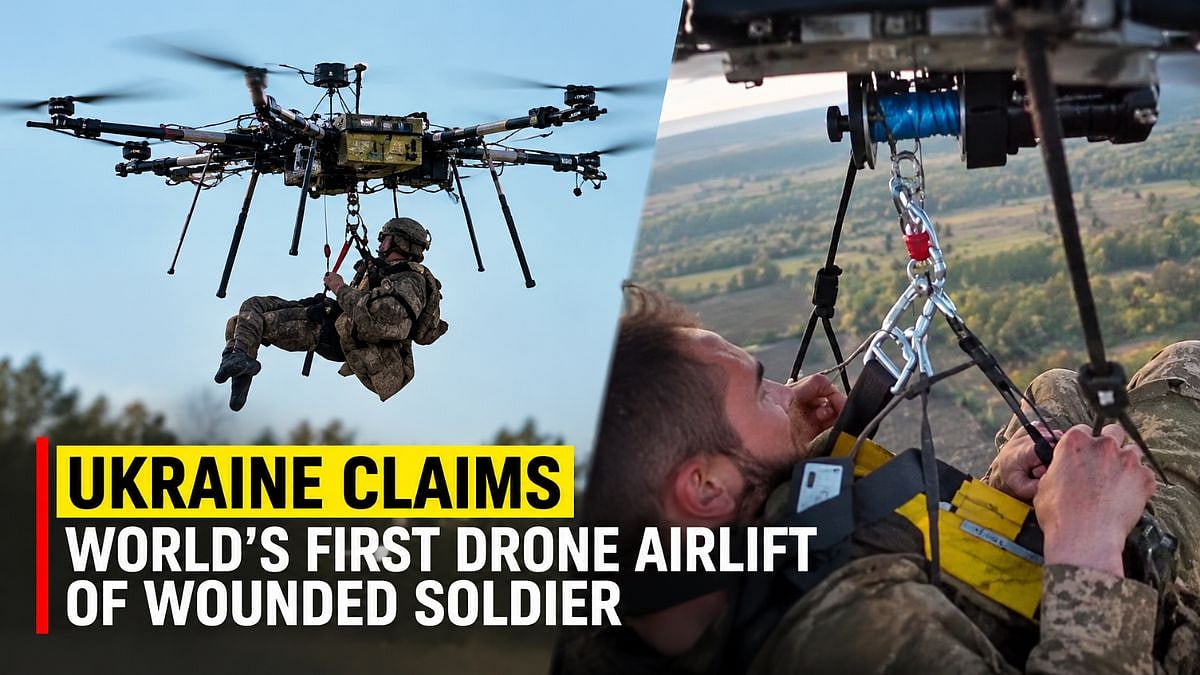
The operation was a collaborative effort involving several military elements. Personnel from the 30th Separate Mechanized Brigade, the 92nd Separate Assault Brigade, the 14th Separate Mechanized Brigade, and the 10th Army Corps worked alongside the manufacturer, Gurzuf Defence, to adapt the aircraft. The vehicle chosen was an Ayudag-6, a six-rotor heavy drone originally designed for bombing runs that had been re-engineered with a winch system and attachment clips to prevent dangerous swaying while carrying a human payload.
Media additions
Accounts of the perilous mission vary slightly in geographic and logistical detail depending on the reporting outlet. According to Aerotime reporting citing local outlet Gwara Media and the Kharkiv military hospital, the soldier was identified as a 49-year-old named Kostiantyn, stationed in the Kupiansk sector, who had survived for an extended period after losing both legs while a fellow soldier was killed. During that prolonged wait, his unit sustained him by dropping food, water, and medicine via drone. By contrast, Free Press Journal and Euronews highlighted the broader brigade-level announcements without naming the soldier or detailing the length of his isolation, noting instead that the wounded man spent nearly one-and-a-half years in a hazardous position according to the manufacturer, a timeline discrepancy between local hospital reporting and manufacturer statements.
| Source / Entity | Reported Details of Mission | Equipment Used |
|---|---|---|
| Aerotime / Gwara Media | Kupiansk sector; 62km (39 miles) distance; 75-minute duration | Gurzuf Heavy Shot Ayudag-6 hexacopter with winch |
| Free Press Journal / Euronews | Frontline combat zone; infantryman stranded by landmines and drones | Gurzuf Defence heavy-duty hexacopter |
| The Independent | Undisclosed frontline location; heavy Russian drone and mine presence | Heavy-lift bomber hexacopter piloted by 30th SMB operator |
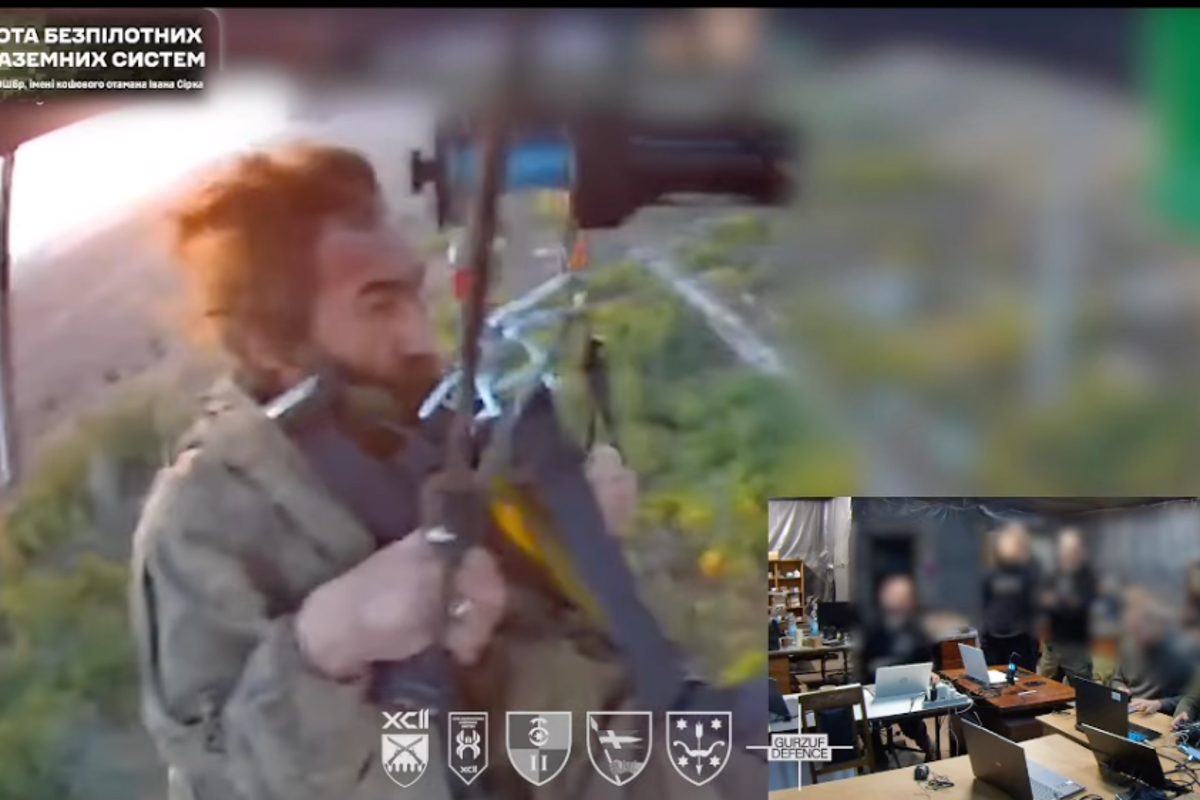
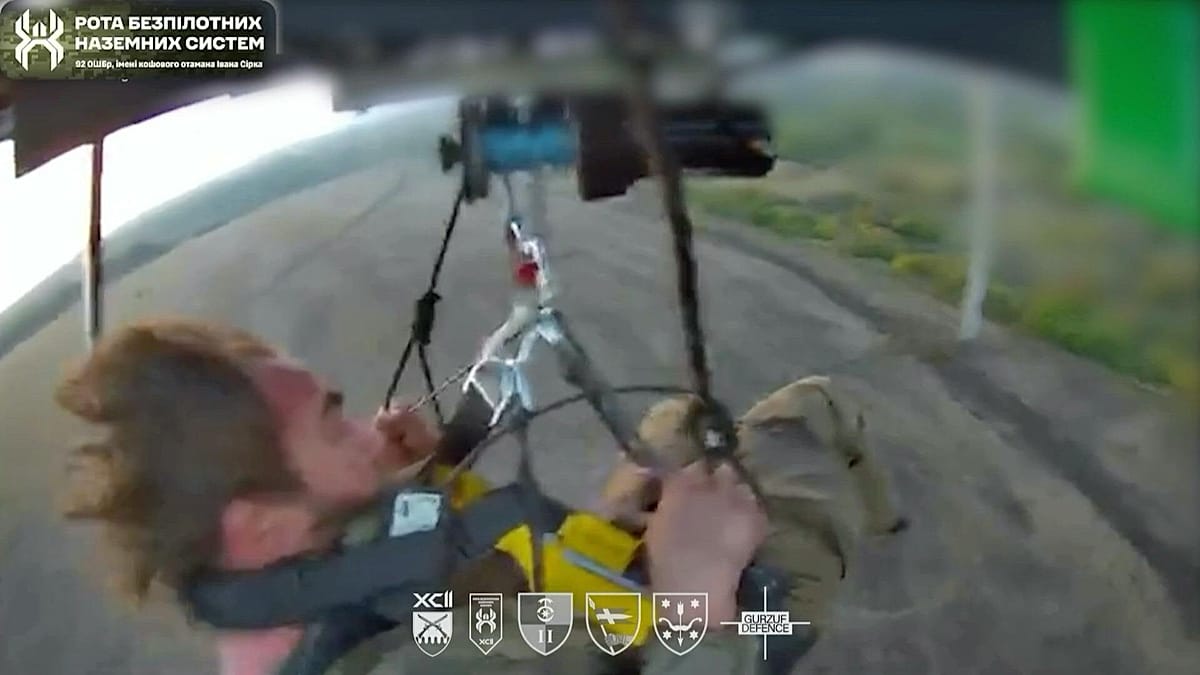
Prior to the extraction, the pilot recorded instructional footage for the wounded soldier, demonstrating how to secure himself to the winch equipment. The onboard camera captured the serviceman successfully following the directions and even making a heart gesture with his fingers. A drone operator from the 30th Brigade then piloted the hexacopter across a distance of roughly 62 kilometers, or 39 miles, over a 75-minute flight time, delivering the casualty to a secure location where comrades met him for onward transport to a hospital as reported by Aerotime.
Footage released by the Free Press Journal and The Independent shows military personnel monitoring the flight from a control room and applauding once the mission succeeded. BBC Verify examined the media and confirmed the identities of the military personnel while establishing that the footage contained no artificial intelligence generation or manipulation. Napalm, a squad leader and programmer in the Unmanned Ground Systems Company, described the event as historic for their unit according to The Independent.
While Ukrainian forces have previously deployed unmanned ground vehicles to extract casualties, aerial drone evacuations had not been officially documented on the battlefield noted the Free Press Journal. Similar historical demonstrations occurred elsewhere, such as Lockheed Martin's 2015 test of an unmanned K-MAX helicopter and a US Army simulation in 2016 reported Aerotime, but active frontline use under combat conditions marks a stark escalation in drone utility.
Military leadership remains cautious about the broader application of the technique. Artem Bohomolov, commander of the 10th Army Corps, confirmed it was a first for Ukraine but could not verify if similar operations had occurred in other international conflicts according to Aerotime. Gurzuf co-founder Pavlo Feldblium warned that aerial evacuation should not be viewed as routine, emphasizing that immense risks remain for wounded soldiers and that airlifts remain a strict last resort when all conventional ground avenues fail per Aerotime.
The wounded soldier is currently undergoing medical treatment, rehabilitation, and preparations for prosthetic fittings, with medical personnel confirming his life is no longer in danger reported Aerotime.
How significant is this development?
Contribute your assessment to the aggregated reader sentiment ledger.
Frequently Asked Questions
Key questions answered in this reportWhat is the key development in: Ukraine claims world’s first battlefield drone rescue of wounded soldier?
Ukraine's military has used a modified heavy-lift hexacopter to evacuate a wounded soldier from a frontline position blocked by landmines and enemy drones.
Why is this World development significant for the UK?
This report covers critical events in our World beat. Independent reporting monitors related UK statements, regulatory shifts, and public responses as further verified details emerge.
How was this reporting corroborated and verified?
Newsarchy UK compiles and cross-references reporting from primary reporting from aerotime.aero and cross-checked wire reports. All coverage adheres to published editorial standards.
When was this report published?
This briefing was published on October 20, 2026 and is permanently cataloged in the Newsarchy UK World archives.