Saudi Arabia says it shot down more drones as Houthis claim to have turned back tanker
Hostilities flared across the Middle East as the US military intercepted Iranian ballistic missiles and Saudi defense forces intercepted drones targeting infrastructure.
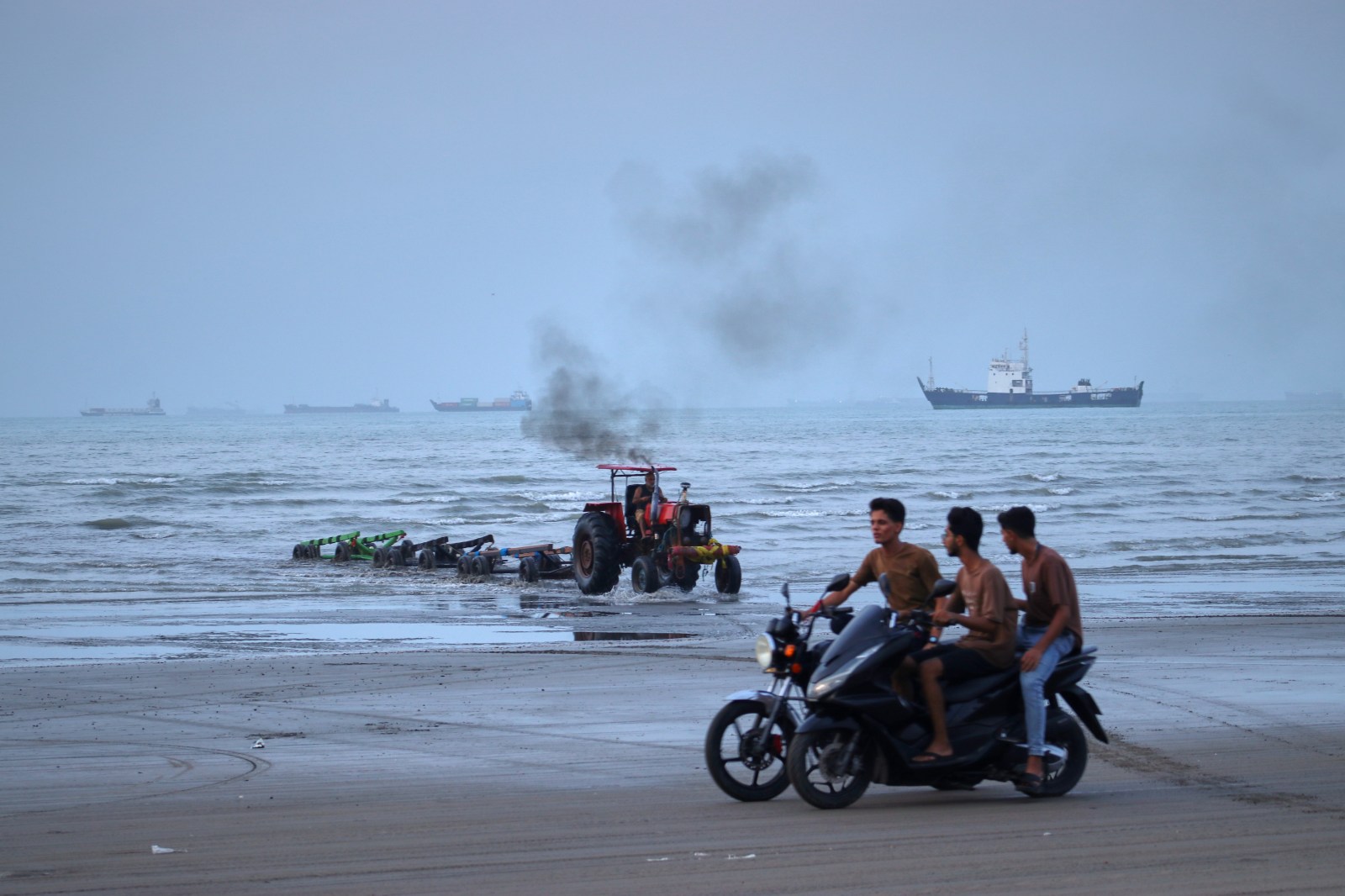
- Core Development: Hostilities flared across the Middle East as the US military intercepted Iranian ballistic missiles and Saudi defense forces intercepted drones targeting infrastructure.
- Beat Context: Categorized under World with independent corroboration.
- Reporting Depth: 3 minute analytical read synthesized from verified newsroom sources.
Hostilities flared across the Middle East on Tuesday, as the United States military reported intercepting multiple ballistic missiles launched by Iran according to AP News. The sudden barrage shattered a brief period of calm that had settled over the region, interrupting diplomatic efforts by international mediators attempting to guide both Washington and Tehran back toward formal ceasefire negotiations reported by Winnipegfreepress. The renewed violence underlines ongoing anxieties regarding the stability of critical shipping routes, particularly the strategic Strait of Hormuz where a substantial portion of global petroleum supplies normally transit.
The U.S. Central Command confirmed that all incoming projectiles were successfully intercepted, stating that American forces maintain a high state of operational readiness. Tehran offered no immediate public comment regarding the missile strikes or the military assessment issued by Washington.
Simultaneously, the conflict expanded across secondary fronts. Saudi Arabia’s Defense Ministry announced that kingdom air defenses successfully intercepted and destroyed multiple drones targeting petroleum infrastructure in the country's eastern region. Riyadh attributed the assault to Iran-affiliated militias operating out of neighboring Iraqi territory, marking the second consecutive day of such aerial incursions according to Winnipegfreepress reporting.
Official responses from Baghdad reflected immediate regional friction. Iraqi Prime Minister Ali al-Zaidi ordered security services to launch a formal investigation into the allegations, while the Iraqi military reiterated its commitment to preventing domestic territory from serving as a launchpad against neighboring states. Disagreements emerged quickly among regional factions: an umbrella organization known as the Islamic Resistance in Iraq firmly rejected the Saudi claims, dismissing them as fabrications and suggesting instead that the Houthi movement in Yemen was responsible for the attacks on Saudi energy facilities.
Further south, Iran-backed Houthi rebels asserted that they had forced a Saudi oil tanker, identified as the NCC Ghazal, to alter its course by firing missiles in the Red Sea. This action aligns with a self-styled blockade announced by the group targeting Saudi commercial shipping through the Bab el-Mandeb strait. The United Kingdom Maritime Trade Operations Center corroborated that a commercial vessel in the southern Red Sea reported hearing explosions nearby, though the crew and ship remained unharmed.
The escalation unfolded while Israeli Prime Minister Benjamin Netanyahu visited Washington for a closed-door meeting with U.S. President Donald Trump at the White House. White House press secretary Karoline Leavitt described the discussions as positive and productive, though the talks occurred against a backdrop of intense domestic political pressures in both capitals regarding the ongoing military campaign noted by Winnipegfreepress.
Meanwhile, Iranian government spokesperson Fatemeh Mohajerani detailed extensive civilian damage resulting from previous bombing campaigns, reporting that infrastructure including airports, bridges, tunnels, and energy facilities had suffered severe destruction. Mohajerani stated that over three hundred government employees had died during the hostilities reported by Aol.
Military analysts and lawmakers have raised questions regarding the long-term sustainability of allied air defense inventories. A recent analysis published by the Center for Strategic and International Studies suggested that diminishing stockpiles of Patriot and THAAD interceptors might compel American forces to accept higher tactical risks to conserve defensive assets according to Winnipegfreepress. The Pentagon contested these assessments, with chief spokesman Sean Parnell maintaining that the armed forces possess all necessary capabilities to execute missions as directed.
Diplomatic and Military Developments
- U.S. Central Command reported the successful interception of multiple ballistic missiles fired by Iran, ending a multi-day pause in hostilities.
- Saudi defense forces intercepted drones originating from Iraq for a second consecutive day, while Iraqi authorities launched an official probe.
- Houthi rebels claimed missile attacks against a Saudi oil tanker in the Red Sea, intensifying a self-styled blockade on regional shipping.
- U.S. And Israeli leadership conferred at the White House amid broader discussions concerning regional defense architectures and bilateral ties.
- State Department officials announced that subsequent rounds of U.S.-brokered talks concerning southern Lebanon are scheduled to take place in Rome from 4 August to 6 August 2026 reported by Aol.
As diplomatic channels grapple with the sudden breakdown in the ceasefire lull, observers are monitoring whether the latest exchanges will permanently derail peace initiatives or prompt a return to structured negotiations. Further developments are expected as international mediators attempt to re-engage regional stakeholders and secure maritime corridors.
How significant is this development?
Contribute your assessment to the aggregated reader sentiment ledger.
Frequently Asked Questions
Key questions answered in this reportWhat is the key development in: Saudi Arabia says it shot down more drones as Houthis claim to have turned back tanker?
Hostilities flared across the Middle East as the US military intercepted Iranian ballistic missiles and Saudi defense forces intercepted drones targeting infrastructure.
Why is this World development significant for the UK?
This report covers critical events in our World beat. Independent reporting monitors related UK statements, regulatory shifts, and public responses as further verified details emerge.
How was this reporting corroborated and verified?
Newsarchy UK compiles and cross-references reporting from primary reporting from apnews.com and cross-checked wire reports. All coverage adheres to published editorial standards.
When was this report published?
This briefing was published on July 29, 2026 and is permanently cataloged in the Newsarchy UK World archives.