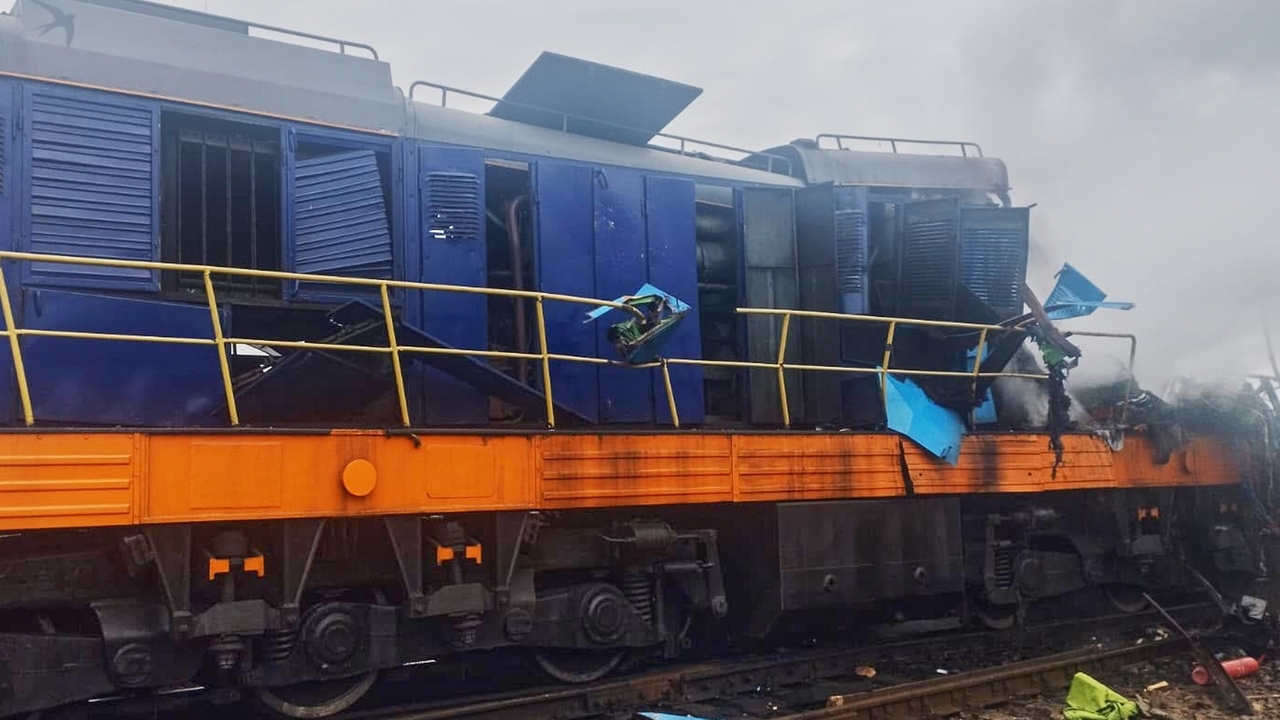
Saudi East-West Pipeline Offline for 3‑5 Weeks After Drone Attack
A drone strike on Saudi Arabia's flagship East-West Pipeline has forced a three-to-five-week shutdown, spiking global oil prices and raising supply concerns.

On Thursday, a drone strike on Saudi Arabia’s 1,200‑kilometre East‑West Pipeline, the kingdom’s flagship corridor for moving crude to the Red Sea, forced the line into a three‑to‑five‑week shutdown. The blow has tightened a key route that Saudi Arabia uses to sidestep the Strait of Hormuz, sparking a sharp rise in Brent crude futures and raising alarms about the resilience of global oil supplies.
The pipeline, which Aramco operates, carries up to 7 million barrels of oil each day. Its length of 1,200 km links the kingdom’s western and eastern coasts, allowing Saudi exports to reach the Red Sea and avoid the Persian Gulf’s Strait of Hormuz – a choke point that has repeatedly been threatened by Iranian attacks. Yahoo Finance reports that the strike forced an immediate shutdown on 10 September, the same day that the first fires were reported along the route.
Media additions


According to two regional officials briefed on the incident, the damage could take three to five weeks to repair, including work at a major pumping facility. One official added that the line may operate at partial capacity while crews work on the repairs. The officials spoke on condition of anonymity because they were not authorised to brief the media. Temple Daily Telegram and Oskaloosa Herald echo the same timeline.
| Feature | Specification |
|---|---|
| Length | 1,200 km |
| Maximum Capacity | 7 million barrels per day |
| Repair Duration | 3–5 weeks |
| Partial Operation | Possible during repairs |
The attack is attributed to drones operated by Iranian‑backed militias in Iraq. Saudi Arabia has publicly blamed the strike on the group, citing the use of unmanned aerial vehicles. The incident comes amid a broader flare‑up in the region, where Yemeni Houthi rebels have seized additional islands along Red Sea shipping routes. The Hindu notes that the pipeline’s shutdown follows the Houthi takeover of the southern port city of Mokha and the capture of more islands, tightening pressure on Saudi exports.
In the immediate aftermath, Brent crude futures climbed 4.5 % to $109.30 on Monday, signalling market concern over the potential for a sustained supply shortfall. The rise reflects not only the pipeline outage but also the broader strategic shift that Saudi Arabia has been pursuing to move more of its crude to the Red Sea, thereby reducing dependence on the Strait of Hormuz. Tradingnews highlights the volatility in energy markets, noting that the pipeline incident adds to a series of events that have tightened global oil supplies.
Aramco, the state‑owned oil company that runs the pipeline, has not yet issued a comment. The government‑run Centre for International Communication, which oversees foreign media in the kingdom, said it was looking into an Associated Press inquiry about the repair timeline. The silence from Aramco and the lack of an official statement underscore the sensitivity of the situation.
While the pipeline remains offline, Saudi Arabia is expected to divert a larger share of its crude through the Red Sea, potentially straining shipping lanes that are already congested. The move may also affect the balance of trade for the kingdom, as the Red Sea route is longer and more expensive than the Strait of Hormuz corridor. Analysts warn that a prolonged outage could push Saudi Arabia to re‑rely on the Persian Gulf for a limited period, exposing the kingdom to renewed risk from Iranian naval activity.
Timeline of Events
- 10 September – Drone strike hits East‑West Pipeline; fires reported along the line.
- 10 September – Saudi officials attribute attack to Iranian‑backed militias in Iraq.
- 11 September – Satellite images show damage at a pumping station near al‑Mesabaah.
- 12 September – Pipeline shut down; officials confirm 3–5 week repair window.
- 14 September – Associated Press reports official timeline; Brent futures rise.
- Ongoing – Repairs underway; partial flow possible.
What to Watch Next
Investors and shipping operators will monitor the progress of the repair work, especially the status of the major pumping facility that bears the brunt of the damage. The duration of the partial flow, if it materialises, will influence crude movements to the Red Sea and could affect global oil prices beyond the immediate spike seen on Monday.
Geopolitical developments in the region—particularly the Houthi seizure of islands and the ongoing tension between Saudi Arabia and Iran—will also be key to understanding how the pipeline’s outage might evolve. Any escalation could force a temporary re‑reliance on the Strait of Hormuz, heightening the risk of further supply disruptions.
For further coverage, see Saudi Arabia shuts pipeline after drone attack, Yemeni Houthi rebels seize Red Sea islands, and Egypt rejects Houthi proposal for direct maritime talks in Red Sea.