Zelenskyy conditions pause in Russian strikes on infrastructure deal
President Volodymyr Zelenskyy stated that Ukraine is prepared to halt long-range drone strikes on Russian territory if international allies secure a verifiable commitment from the Kremlin to spare Ukrainian critical infrastructure.
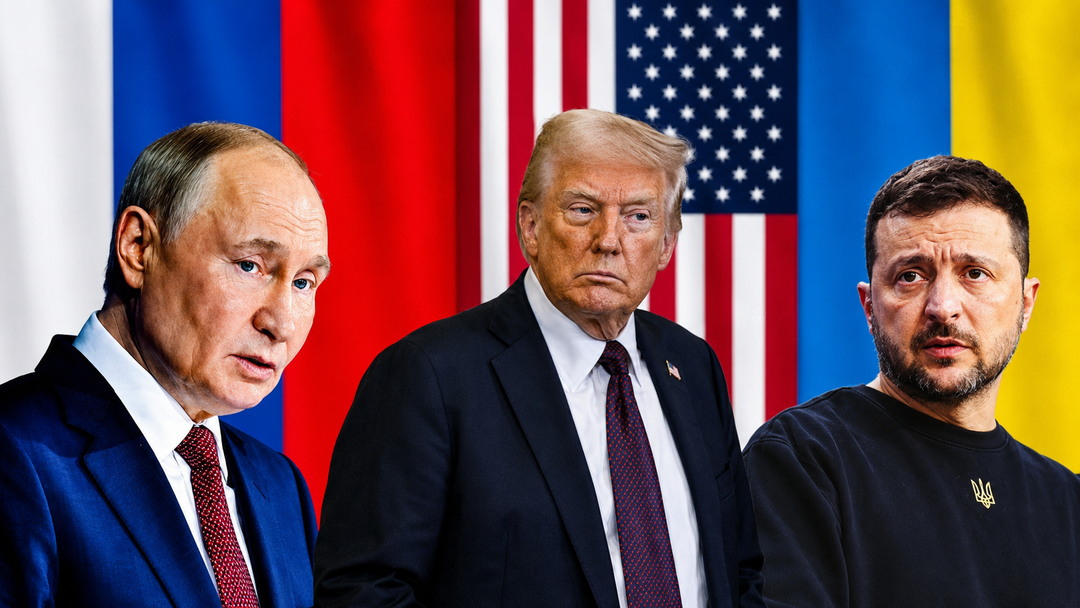
President Volodymyr Zelenskyy announced that Ukraine is prepared to halt its long-range drone strikes on Russian territory, but conditioned the pause on international allies securing a verifiable, binding commitment from the Kremlin to spare Ukrainian critical infrastructure. The conditional stance emerged after U.S. President Donald Trump declared on social media that both warring nations had agreed to cease attacking each other's energy facilities. The diplomatic development unfolds amid intense economic pressure in the United States, where soaring fuel costs have elevated political stakes ahead of upcoming midterm elections, and follows a series of perilous escalations near European borders that have galvanized the NATO alliance.
The diplomatic friction burst into public view following remarks delivered during a visit to Ireland, where Trump urged Ukrainian leadership to stop targeting Russian oil refineries and infrastructure utilised for diesel production. According to Newsday reporting, Trump asserted that these attacks were fueling a global supply crunch. Diesel prices surged past record averages, creating severe political fallout for the Republican Party as cost-of-living grievances mount. Trump insisted that market strains stem directly from the Russia-Ukraine conflict rather than disruptions in the Middle East, a claim echoed in subsequent announcements regarding an energy truce.
Media additions


Markets reacted cautiously to the unfolding rhetoric. As detailed by Energyconnects, diesel futures experienced choppy trading sessions while U.S. Retail prices remained at historic highs. Independent analysts expressed skepticism over unilateral declarations lacking formal bilateral sign-offs. Experts noted that halting refinery strikes might grant Moscow vital recovery time, yet broader supply constraints in international shipping lanes would likely keep commodity prices elevated.
Zelenskyy pushed back against the notion of an unconditional bilateral accord. Writing on digital platforms, the Ukrainian leader clarified that his administration had previously floated de-escalation frameworks centered on protecting civilian basics. However, Kyiv remains deeply distrustful of Moscow's intentions. According to coverage from Radio Free Europe/Radio Liberty, Zelenskyy emphasized that any prospective agreement must be reliable, long-term, and capable of withstanding political maneuvers surrounding Russian electoral cycles.
| Actor | Stated Position on Energy Infrastructure | Reported Reaction to Truce Claims |
|---|---|---|
| U.S. Administration | Blamed Ukrainian drone strikes on Russian diesel facilities for global supply shortages and announced a mutual energy cessation. | Claimed formal agreement achieved between Kyiv and Moscow via social media postings. |
| Ukrainian Government | Expressed willingness to suspend strikes on Russian energy targets if partners guarantee absolute protection for Ukrainian power systems and food routes. | Denied existence of a finalized deal, citing deep distrust of Kremlin compliance. |
| Kremlin | Maintained that military operations continue across the entirety of Ukrainian territory while welcoming calls to halt economic strikes. | Did not immediately confirm a formal reciprocal truce regarding energy facilities. |
The Kremlin offered a mixed response to the diplomatic overtures. Kremlin spokesperson Dmitry Peskov welcomed external pressure on Kyiv to halt attacks on civilian economic infrastructure, yet demurred on whether Moscow would reciprocate. Peskov maintained that Russian forces continue operating across the entire territory of Ukraine without alteration. Past efforts to secure localized ceasefires, including temporary holiday pauses and Black Sea shipping safeguards, have historically collapsed within hours as both belligerents traded violations.
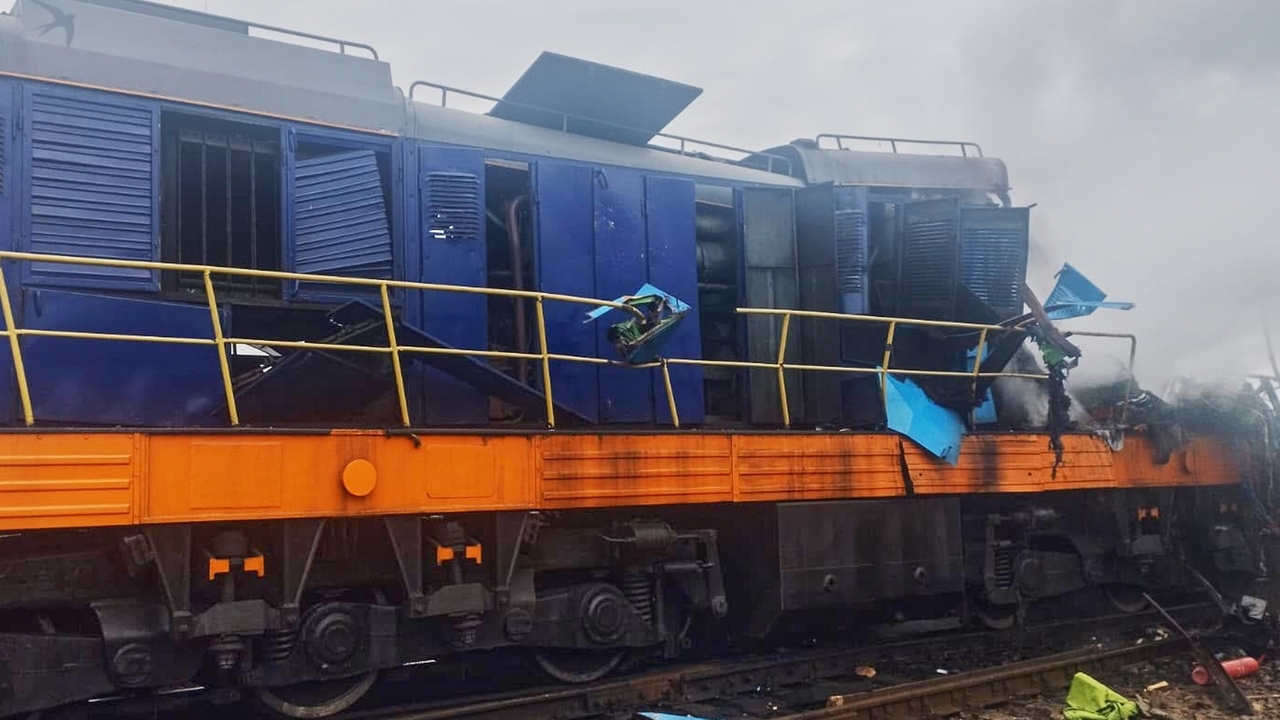
Simultaneously, the physical theater of war continues to expand toward European Union borders. NATO Secretary-General Mark Rutte condemned recent Russian drone strikes near the Ukraine-Poland frontier, warning that the attacks—including one that struck a railway station shortly after visiting dignitaries departed—demonstrate mounting desperation by Russian President Vladimir Putin. As reported by DW.com, the alliance faces depleted air defense stocks due to commitments elsewhere, complicating regional security. Polish Prime Minister Donald Tusk warned that Warsaw anticipates heightened border provocations in the coming weeks, prompting increased security deployments along the frontier.
Further context on the broader geopolitical landscape and allied military assistance can be found through our dedicated World coverage portal. Additional reporting has highlighted how regional partners are responding to infrastructure vulnerabilities, including separate security arrangements discussed during Canada offers air defense support for Ukraine as Zelenskyy visits. Meanwhile, economic pressures continue to mount as Washington presses Kyiv directly on fuel security, a dynamic explored further in Trump tells Zelensky to stop striking Russian diesel infrastructure.
What to Watch Next
- Verification from international intermediaries regarding whether formal written guarantees can be established between Kyiv and Moscow.
- Upcoming legislative and diplomatic maneuvers concerning U.S. Midterm elections and domestic energy rebate discussions.
- Further intelligence assessments from NATO allies regarding potential sabotage threats along the eastern European frontier.
- Market responses in global diesel and crude futures as refining centers absorb ongoing geopolitical friction.


