Singapore condemns Houthi attacks on Saudi Arabia, urges restraint
Singapore has strongly condemned recent Houthi drone and missile attacks on Saudi Arabian oil installations, urging restraint as Brent crude crosses $100 a barrel amidst escalating Red Sea tensions.
Singapore condemns Houthi attacks on Saudi Arabia, urges restraint
EXECUTIVE BRIEFKey Takeaways & Signal
Core Development: Singapore has strongly condemned recent Houthi drone and missile attacks on Saudi Arabian oil installations, urging restraint as Brent crude crosses $100 a barrel amidst escalating Red Sea tensions.
Beat Context: Categorized under World with independent corroboration.
Singapore’s Ministry of Foreign Affairs (MFA) issued a fresh condemnation on 27 July, a day after Yemen’s Iran‑aligned Houthi rebels struck Saudi oil installations in the Red Sea and downed a Saudi drone over north‑west Yemen. The statement, released on Sunday, reaffirmed Singapore’s commitment to the rule‑of‑law at sea and called on all actors to “exercise restraint and avoid actions that could further escalate tensions.”
“It is imperative that navigational rights and freedoms are respected and upheld in accordance with international law as reflected in the 1982 United Nations Convention on the Law of the Sea (UNCLOS), and that the safety of seafarers and ships is ensured in accordance with the International Convention for the Safety of Life at Sea (SOLAS).”
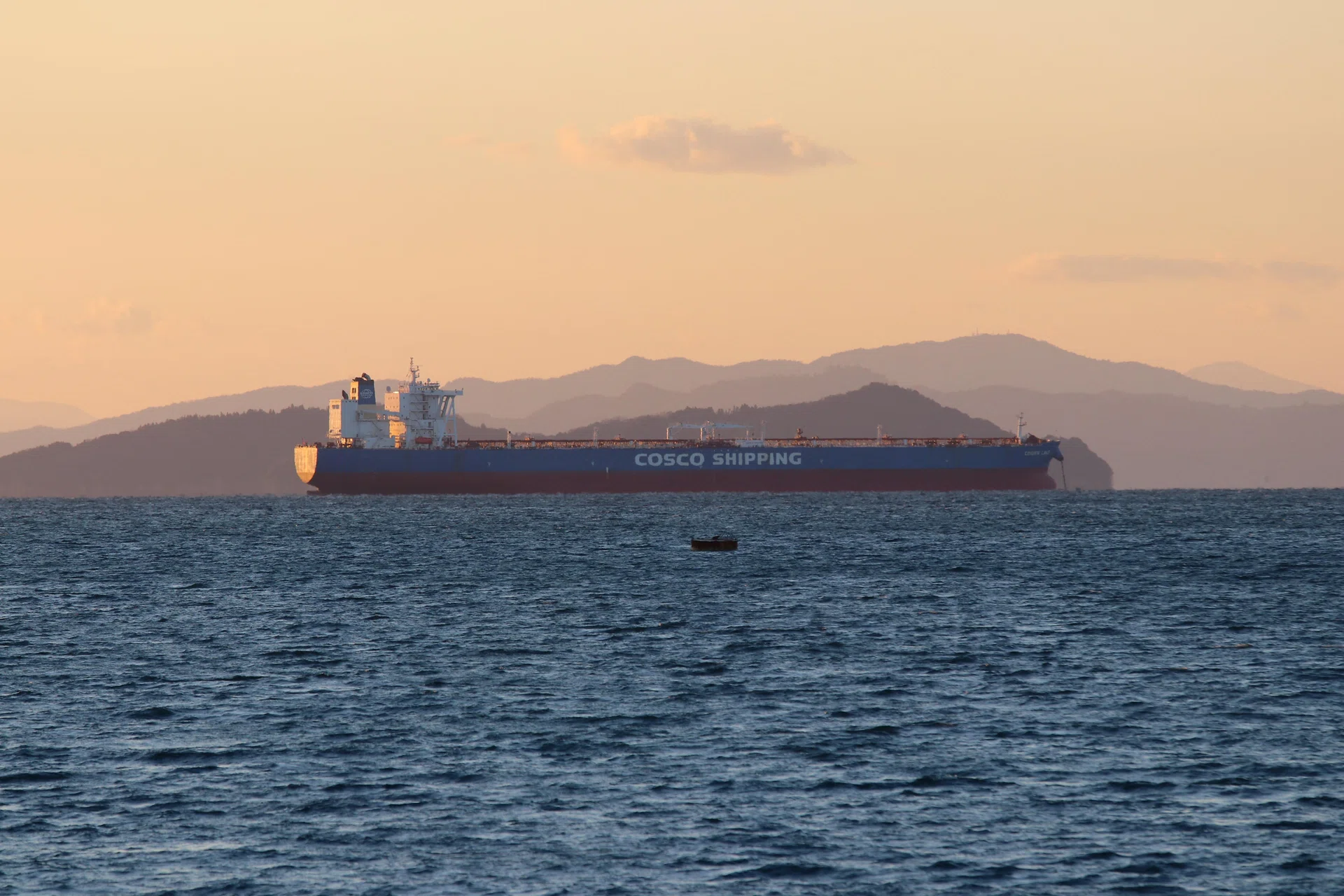
Image via sg.news.yahoo.comImage via channelnewsasia.comImage via straitstimes.com
MFA spokesperson, via Channel News Asia
The MFA’s remarks echo the language used by Singapore’s news agencies on 26 July. Both the Business Times and The Straits Times reproduced the same passage, underscoring the tiny city‑state’s reliance on the United Nations conventions that protect commercial shipping through the world’s busiest maritime arteries.
What sparked the latest flare‑up
On 24 July the Houthis announced they had downed a Saudi drone over the north‑west of Yemen, a claim that preceded a broader strike on 25 July against two Saudi Aramco sites: the Jizan refinery – capable of processing up to 400,000 barrels of crude a day – and the Yanbu port, Saudi Arabia’s main Red Sea oil hub. Houthi military spokesman Yahya Saree told Reuters the missiles were launched from Yemeni territory, and two of them were intercepted by a surface‑to‑air battery operated by Greek personnel in Saudi Arabia, the Greek air force media office confirmed.
In parallel, the Saudi‑backed Yemeni air force struck Houthi positions in the Marib and Al‑Jawf provinces, a retaliatory move reported by multiple Singapore outlets. The two‑front exchange of fire marked a sharp departure from the cease‑fire that had held since 2022, a lull that collapsed in July as the Houthis linked their campaign to the broader Iran‑U.S. Confrontation.
Regional diplomatic currents
Iran’s foreign minister Abbas Araghchi, speaking on 27 July, said Iran could not be blamed for the escalation and offered to broker talks between the Houthis and Riyadh, adding that “there is no military solution.” The same day an unnamed Iranian official told Reuters that Tehran’s stance remained “attack for attack” and that any pause by Iran would depend on a reciprocal halt by the United States.
The United States appeared to be recalibrating its own posture. Friday, the Pentagon announced a suspension of airstrikes on Iran after thirteen consecutive nights of reciprocal attacks, a development noted by Asia One. U.S. Ambassador to the United Nations Mike Waltz told “Fox News Sunday” that the pause was intended to create diplomatic space.
Economic reverberations
Global oil markets reacted swiftly. Brent crude spiked above US$100 a barrel for the first time since May, a price surge highlighted by Asia One. Analysts linked the jump to the threat posed by Houthi attacks on Saudi facilities and the potential for a second maritime bottleneck – the Red Sea – to compound the already strained Strait of Hormuz, which Iran has blockaded.
Two Asia‑based trading sources told Singapore’s Business Times that they had been informed of possible damage to fuel and oil storage sites at Jizan, while the interception of missiles over Yanbu prevented immediate disruption of the port that routes a significant share of Saudi oil around the Hormuz choke point.
Broader conflict backdrop
The Houthi offensive must be read against a decade‑long Yemeni civil war that began when the Iran‑aligned fighters seized the capital Sanaa. Saudi Arabia has led an Arab coalition against the rebels since then, and the conflict has already claimed hundreds of thousands of lives through fighting and famine. The cease‑fire that held from 2022 collapsed in July, allowing the Houthis to “join the wider war” that their Iranian allies have waged since being attacked by the United States and Israel five months earlier, as reported by Channel News Asia and The Straits Times.
In addition to the missile strikes, the Houthis have declared a maritime blockade of Saudi Arabia. A Houthi leader, Abdul Malik al‑Houthi, warned that “all Saudi oil facilities could be targets,” a statement that underscores the threat to the Red Sea’s commercial arteries.
Singapore’s position in context
Singapore’s condemnation does not merely echo a diplomatic formula; it situates the island nation within a network of legal norms that protect its own status as a major global transshipment hub. By invoking UNCLOS and SOLAS, the MFA signals that any disruption to the Bab al‑Mandeb or the Gulf of Aden would directly affect Singapore‑registered vessels and its maritime economy.
The statement also aims to balance Singapore’s relationship with both Gulf states and Iran‑aligned actors. While the Ministry’s language is unequivocal in condemning the attacks, it refrains from naming Iran as a direct party, mirroring the cautious tone of other ASEAN members who have called for “restraint” without assigning blame.
What to watch next
Iran’s foreign minister has offered to mediate; the success of any talks will hinge on whether the United States continues its pause of strikes.
The Greek‑operated air‑defence battery’s performance may prompt Saudi Arabia to seek additional allied support for protecting its Red Sea infrastructure.
Oil market analysts will monitor whether Brent crude sustains its breach of US$100 per barrel as the Houthi blockade narrative evolves.
Singapore’s MFA is likely to issue follow‑up statements if the naval blockade escalates or if commercial vessels report incidents in the Bab al‑Mandeb, given the ministry’s emphasis on seafarer safety.
As the Red Sea becomes an extension of the Gulf conflict, Singapore’s appeal for restraint adds a small but legally grounded voice to a chorus of international calls for de‑escalation. Whether that call translates into concrete diplomatic moves remains to be seen, but the next few days will test the willingness of Tehran, Washington, and Riyadh to step back from the brink.
READER INTELLIGENCE PULSE
How significant is this development?
Contribute your assessment to the aggregated reader sentiment ledger.
Click an option to register your anonymous assessment.
Frequently Asked Questions
Key questions answered in this report
What is the key development in: Singapore condemns Houthi attacks on Saudi Arabia, urges restraint?
Singapore has strongly condemned recent Houthi drone and missile attacks on Saudi Arabian oil installations, urging restraint as Brent crude crosses $100 a barrel amidst escalating Red Sea tensions.
Why is this World development significant for the UK?
This report covers critical events in our World beat. Independent reporting monitors related UK statements, regulatory shifts, and public responses as further verified details emerge.
How was this reporting corroborated and verified?
Newsarchy UK compiles and cross-references reporting from primary reporting from businesstimes.com.sg and cross-checked wire reports. All coverage adheres to published editorial standards.
When was this report published?
This briefing was published on July 27, 2026 and is permanently cataloged in the Newsarchy UK World archives.