Spain installs barrier after deadly migrant rush
Spain has begun installing a floating barrier off its border with Ceuta following a mass crossing that left at least 67 people dead.

- Core Development: Spain has begun installing a floating barrier off its border with Ceuta following a mass crossing that left at least 67 people dead.
- Beat Context: Categorized under World with independent corroboration.
- Reporting Depth: 4 minute analytical read synthesized from verified newsroom sources.
Spain has begun installing a 500-metre floating barrier off its border with Morocco following a mass crossing into the North African enclave of Ceuta that left at least 67 people dead, according to The Courier and The Leader. The pneumatic barrier, anchored with naval buoys along the Tarajal breakwater, stands between 30 and 70 centimetres above the water and extends one metre below the surface, featuring a channel to allow Civil Guard vessels to patrol the area. This physical reinforcement comes as the immediate surge has subsided, marking a critical turning point in an event that has triggered a continent-wide political storm.
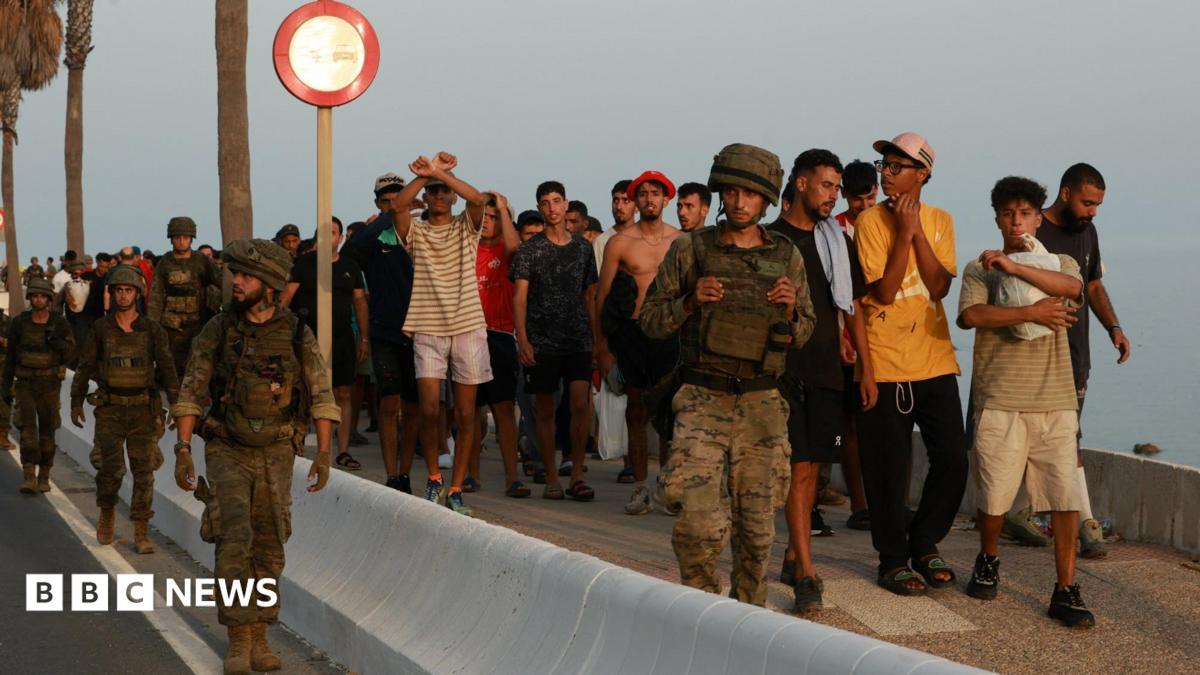
The crisis began when an unprecedented number of people — estimated by Spanish authorities and local officials to be between 50,000 and 60,000 — rushed across the border by land and sea starting Thursday, as reported by the BBC and AOL. While the vast majority returned to Morocco within 48 hours due to the combined efforts of Spanish and Moroccan law enforcement, the human toll was devastating. Officials confirmed that at least 67 people died after drowning or being crushed while attempting to scale the border fence and breakwater. European Commission President Ursula von der Leyen stated that not a single person reached the European mainland or the wider EU, according to Primetimer.
Media additions
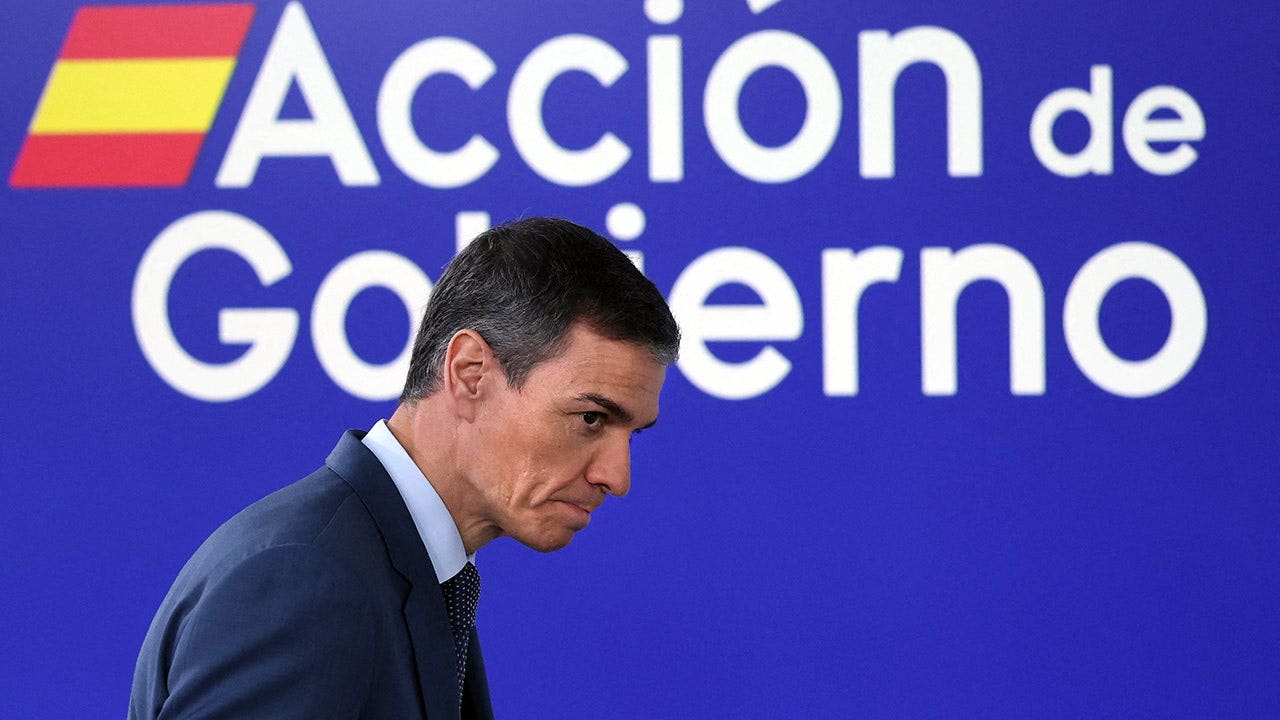

The sudden influx rapidly escalated into a diplomatic confrontation across Europe. Spanish Prime Minister Pedro Sánchez lashed out at fellow European leaders, condemning what he termed a selfish, polarising and unlawful reaction
to the emergency, as noted by AOL and TBS News. Sánchez's criticism was directed primarily at Italian Prime Minister Giorgia Meloni, whose government seized on footage of the events and swiftly suspended Italy's passport-free Schengen travel arrangements with Spain for one month, citing security concerns. Spanish officials firmly rejected those justifications, pointing out that Ceuta lies entirely outside the Schengen Area and that those who entered irregularly faced strict police identity checks and could not simply travel onwards to mainland Europe.
Political divisions and online amplification
The incident laid bare deep fissures within the European Union over migration policy. Nearly two dozen EU member states signed a letter promoted by Italy and Denmark, calling for joint action to strengthen external borders, eliminate potential pull factors
, and make returns more effective. Critics across the bloc specifically targeted Spain's recent regularisation programme, designed to grant residency to hundreds of thousands of undocumented workers to counteract an ageing population, arguing it encourages unauthorized entries. The Spanish government rejected any link to the regularisation scheme, noting that applicants must prove residence in Spain before January 1, 2026, and five continuous months of residence when applying.
Instead, Prime Minister Sánchez and Spanish Interior Minister Fernando Grande-Marlaska blamed people-smuggling networks and viral social media misinformation. According to reporting highlighted by the Bbc, numerous migrants were drawn by misleading online interpretations of a recent Spanish Supreme Court ruling regarding interceptions at sea, alongside viral posts declaring Spain is Open
and featuring videos of individuals wearing wetsuits and flippers. Migrants who successfully reached the shores of Ceuta found themselves without food, shelter, or legal pathways forward, prompting their voluntary return.
International reactions quickly compounded the political friction. US President Donald Trump described the situation as a catastrophe
and an invasion
amidst his own political campaigning, while Russia amplified European divisions to weaken Ukraine's allies, as detailed by TBS News. Morocco attributed the crossings to criminal organizations, though Spanish officials continued to praise Rabat as a reliable partner, rejecting claims of an imminent threat while maintaining heightened security deployments.
What to watch next
- EU Ministerial Talks: Ireland, holding the rotating presidency of the Council of the European Union, has called an emergency video conference meeting of the bloc's interior ministers to coordinate external border protections.
- Border Security Deployments: Spain's Civil Guard union has requested a reinforcement of at least 200 officers, warning that additional measures are required to prevent individuals from swimming around the newly installed floating barrier.
- Temporary Travel Controls: Random police identity checks for travellers moving from Spain to Italy remain active under temporary suspensions of standard Schengen arrangements.
As domestic critics continue to pressure Madrid over its diplomatic posture, the human cost remains an enduring tragedy for those who set out to sea chasing digital promises only to return in coffins.
How significant is this development?
Contribute your assessment to the aggregated reader sentiment ledger.
Frequently Asked Questions
Key questions answered in this reportWhat is the key development in: Spain installs barrier after deadly migrant rush?
Spain has begun installing a floating barrier off its border with Ceuta following a mass crossing that left at least 67 people dead.
Why is this World development significant for the UK?
This report covers critical events in our World beat. Independent reporting monitors related UK statements, regulatory shifts, and public responses as further verified details emerge.
How was this reporting corroborated and verified?
Newsarchy UK compiles and cross-references reporting from primary reporting from thecourier.com.au and cross-checked wire reports. All coverage adheres to published editorial standards.
When was this report published?
This briefing was published on August 2, 2026 and is permanently cataloged in the Newsarchy UK World archives.