Sweden left-wing opposition leads exit polls in tight general election
Sweden's centre-left opposition bloc took the lead in exit polls following a general election dominated by debates over public spending, immigration, and the cost of living.

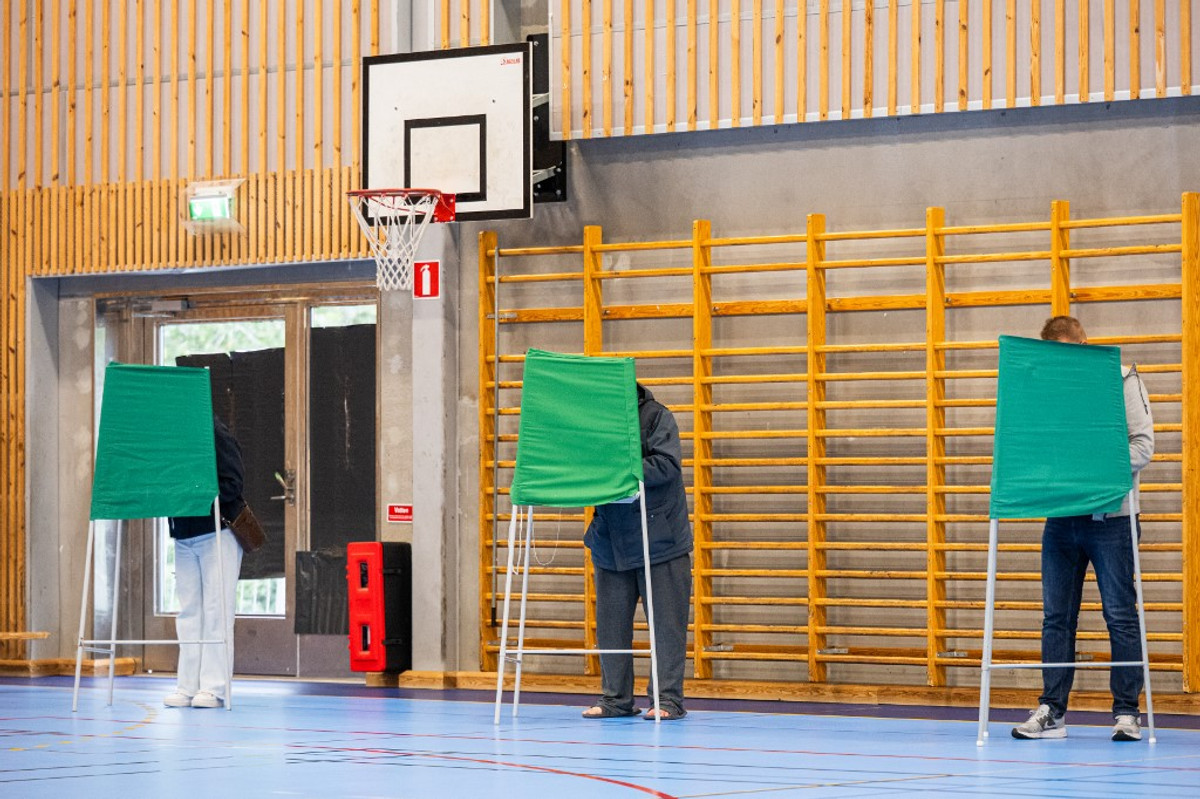
Sweden’s centre-left opposition bloc took the lead in exit polls on Sunday following a high-stakes general election that could return the left to power and halt the right-wing coalition's controversial reform agenda. Initial projections from broadcasters indicated a shift in momentum after a fiercely contested campaign dominated by debates over public spending, immigration, and the rising cost of living.
Sunday's vote on 13 September 2026 followed years of political realignment in the Nordic nation. Prime Minister Ulf Kristersson's administration came to power following an electoral shift driven by security concerns and public anxiety over gang violence. Over the previous four years, the incumbent right-wing minority government relied on the parliamentary backing of the Sweden Democrats, an anti-immigration party with roots in the extreme right. In return for their legislative support, the Sweden Democrats wielded substantial influence over national policy, particularly regarding policing and asylum rules.
Media additions
During the final months of the campaign, the political landscape tightened considerably. While initial surveys earlier in the year gave the four-party left-wing opposition a comfortable advantage, the gap narrowed into a dead heat as election day approached. The centre-left bloc campaigned heavily on restoring the traditional welfare state, protecting public services, and offering relief to households grappling with economic strain. Conversely, the incumbent government defended its record on law and order, pointing to a sharp decline in deadly shootings and bombings alongside historically low asylum applications as proof that its hardline strategies delivered results.
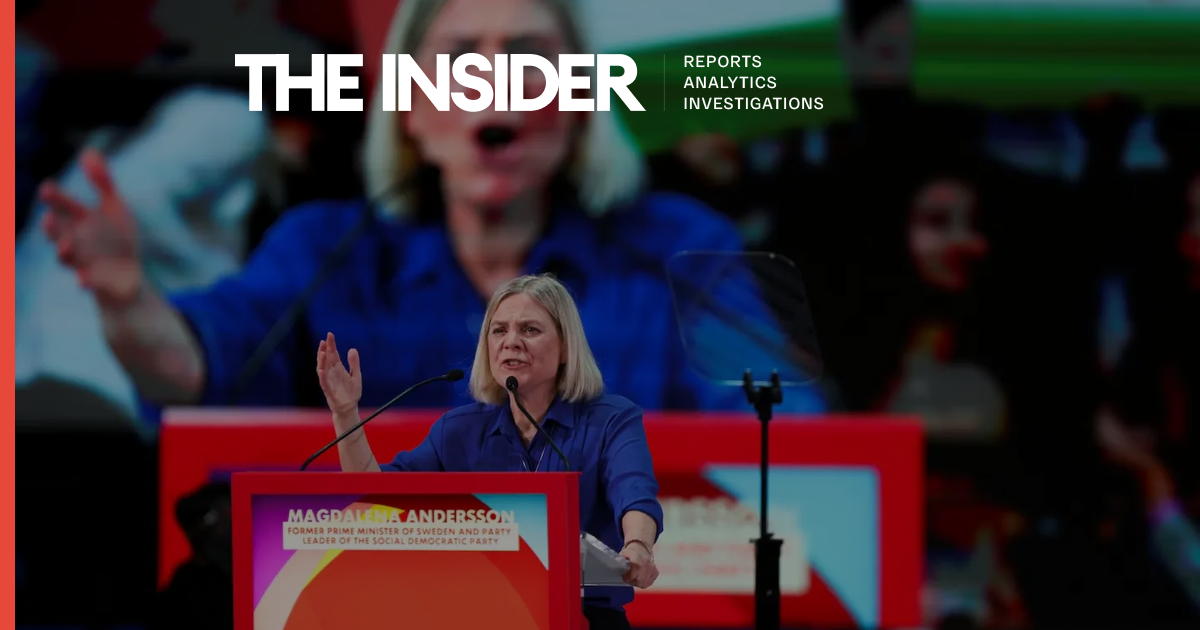
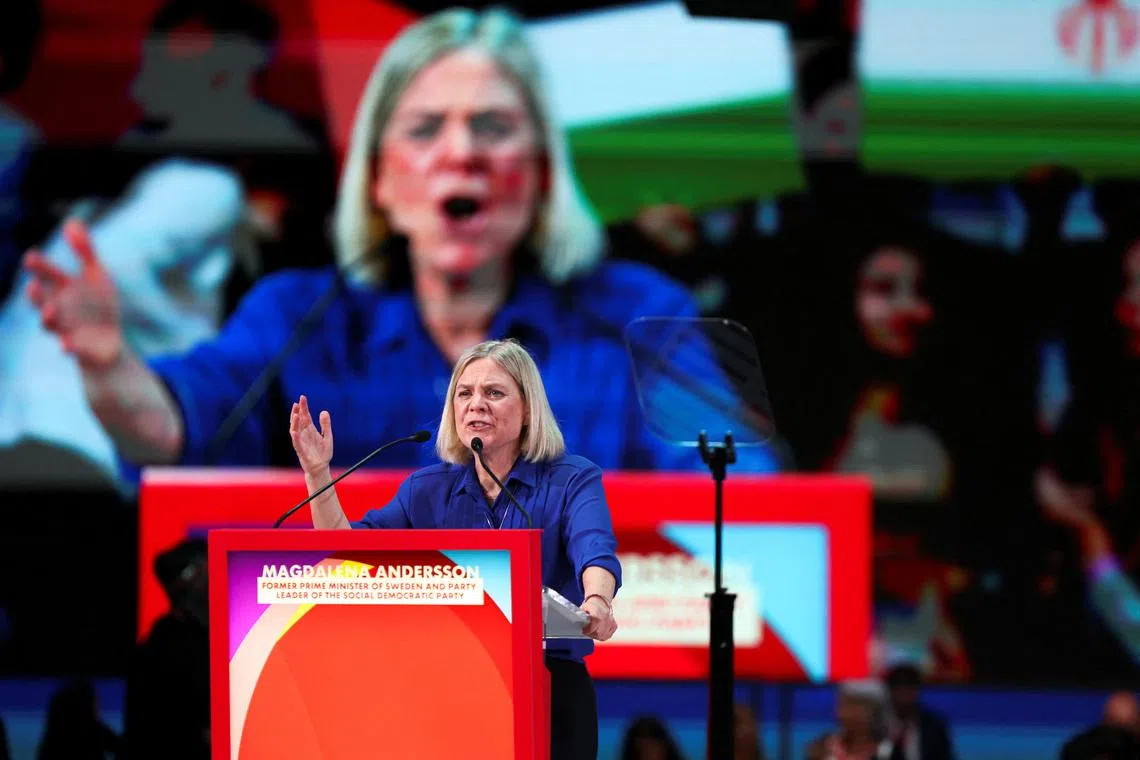
The possibility of the far-right entering a formal cabinet role became a central flashpoint of the race. While Prime Minister Kristersson signalled readiness to include the Sweden Democrats directly in a governing coalition if victorious, opposition leader Magdalena Andersson warned voters against a government dominated by the nationalist party. The debate drew high-profile attention, with musical performances at campaign headquarters and public interventions from figures across civil society.
| Bloc / Party | Key Figures | Main Agenda / Focus |
|---|---|---|
| Centre-Left Opposition | Magdalena Andersson (Social Democrats) | Bolstering the welfare state, public investment, and social cooperation. |
| Right-Wing Coalition | Ulf Kristersson (Moderates), Jimmie Åkesson (Sweden Democrats) | Law and order, strict immigration controls, and economic reforms. |
The election outcome carries profound implications for the country's legislative direction. Economically, the outgoing administration pursued aggressive monetary and fiscal measures to curb inflation, a strategy critics argue depressed growth and squeezed household budgets through high debt-servicing costs. Meanwhile, public dissatisfaction grew over healthcare wait times and the outsourcing of education, giving the left an opening to advocate for increased public spending and a rollback of contentious measures such as proposed reporting requirements for civil servants.
As election night unfolded, attention turned immediately to the reliability of the initial projections. Broadcaster exit polls have historically served as indicators rather than definitive outcomes, and past cycles have demonstrated how swiftly final tallies can diverge from early estimates. Official results are expected within a week, while preliminary tallies from the Swedish Election Authority continue to arrive. Even if the centre-left maintains its projected edge, forming a stable administration will likely require complex negotiations among ideologically splintered parties across the left bloc.