Taliban diplomatic push undermines human rights demands as global ties grow
As regional powers, Russia, and Western nations engage the Taliban for trade and security, human rights advocates warn that outreach threatens domestic reforms.
- Core Development: As regional powers, Russia, and Western nations engage the Taliban for trade and security, human rights advocates warn that outreach threatens domestic reforms.
- Beat Context: Categorized under World with independent corroboration.
- Reporting Depth: 3 minute analytical read synthesized from verified newsroom sources.
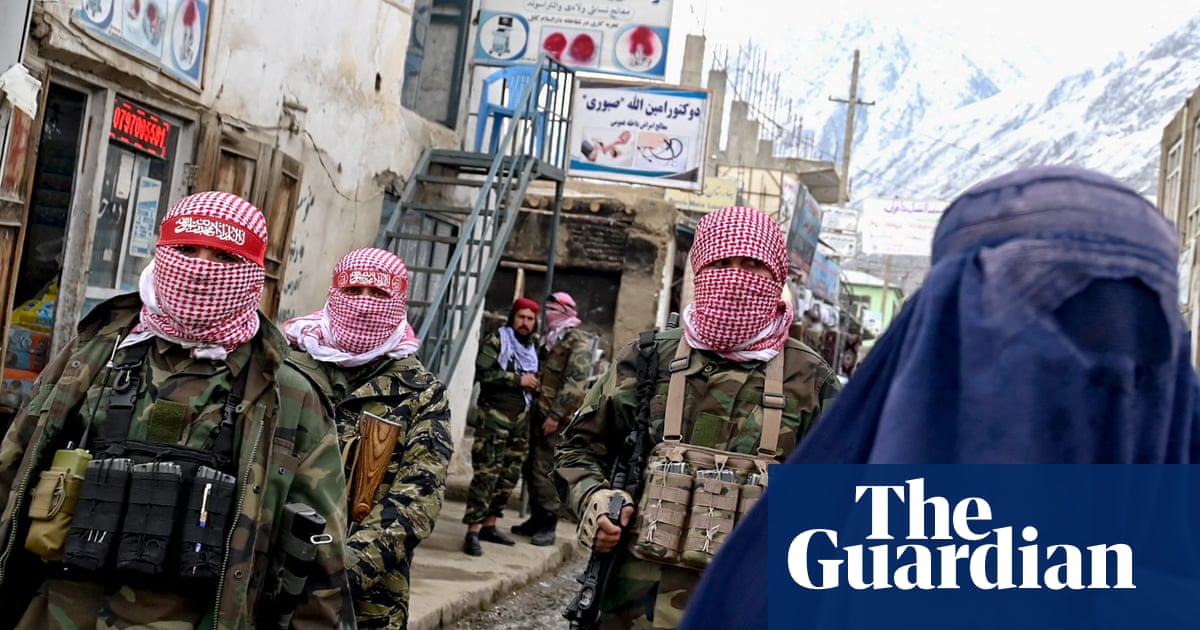
The Taliban have launched a concerted diplomatic campaign to break their international isolation, capitalizing on a growing willingness among regional and global powers to engage directly with the regime in Kabul according to reporting from The Guardian. Five years after seizing power following two decades of insurgent warfare, the administration is securing renewed diplomatic contacts and scaling up interactions. Human rights campaigners warn that these developments threaten to dilute demands for critical domestic reforms.
This shift away from a strict policy of international isolation coincides with what the United Nations described as a cascade of restrictive laws and edicts. The administration has banned women from universities and most employment, denied teenage girls an education, and imposed strict dress codes. Activists, journalists, and religious minorities—including Shia Muslims—face severe repression. The UN described the country as a graveyard for human rights.
Media additions

Despite these conditions, regional actors have welcomed Taliban officials or opened new communication channels. India, Qatar, China, Iran, and several Central Asian states have engaged with Kabul. Officials from Tajikistan, Turkmenistan, Kyrgyzstan, Uzbekistan, and Kazakhstan have visited Afghan cities seeking trade routes and pipeline deals to secure access to seaports. India has also reinforced relationships, in part to exploit tensions between the Taliban and their historic sponsors in Pakistan. New Delhi previously secured a sanctions waiver enabling the Taliban foreign minister to travel, and India's UN envoy suggested the international community must account for the changing political reality of Afghanistan.
Further afield, Russia recognized the Taliban government and signed a military cooperation agreement. Moscow views the region through a strategic lens, seeking influence and allies on the geopolitical chessboard. Meanwhile, the European Union held talks in Brussels regarding the return of failed asylum-seekers. While the European Commission downplayed the encounters as technical discussions, a Taliban spokesperson claimed the visit marked a step toward regularizing consular relations. Britain pursues limited and pragmatic engagement through its mission in Qatar, and several Western European capitals now have key consulates controlled by Taliban representatives rather than the former government.
"The Taliban see any kind of contact as a diplomatic win and they have been able to capitalise on that as a sign granting legitimacy to the regime."
Shivam Shekhawat, Observer Research Foundation in Delhi, via The Guardian
Human rights advocates caution that individual, piecemeal outreach undermines a unified international stance. Fereshta Abbasi, an Afghanistan researcher at Human Rights Watch, emphasized that engagement aimed at mitigating humanitarian crises must be weighed against long-term political consequences. Abbasi criticized Western outreach that separates diplomatic concessions from fundamental rights.
"We are not against any engagement … There is a need for engagement even if just for aid agencies to mitigate the ongoing humanitarian crisis but we are worried about the end goal of these contacts and the discussions that are taking place."
Fereshta Abbasi, Human Rights Watch, via The Guardian
Abbasi further warned that the Taliban are utilizing these talks to signal domestic acceptance.
Geopolitical realities, regional security concerns, and Western pressures to reduce illegal immigration drive these renewed contacts, alongside a broader recognition that the Taliban are unlikely to be forced from power. The Taliban administration seeks cross-border infrastructure projects and foreign investment in its mining sector, welcoming firms from China and elsewhere to boost a fragile economy. Taliban spokesman Zabihullah Mujahid stated that the Islamic Emirate seeks relations with all countries, emphasizing that neighboring states hold particular importance for economic ties.
Observers note that the internal administration remains dominated by conservative factions and is split over issues like women's education. Analysts suggest the leadership will make few domestic concessions. As international channels expand, the global community faces mounting friction between pragmatic geopolitical interests, economic pursuits, and the ongoing human rights crisis affecting millions across the country.
How significant is this development?
Contribute your assessment to the aggregated reader sentiment ledger.
Frequently Asked Questions
Key questions answered in this reportWhat is the key development in: Taliban diplomatic push undermines human rights demands as global ties grow?
As regional powers, Russia, and Western nations engage the Taliban for trade and security, human rights advocates warn that outreach threatens domestic reforms.
Why is this World development significant for the UK?
This report covers critical events in our World beat. Independent reporting monitors related UK statements, regulatory shifts, and public responses as further verified details emerge.
How was this reporting corroborated and verified?
Newsarchy UK compiles and cross-references reporting from primary reporting from economictimes.indiatimes.com and cross-checked wire reports. All coverage adheres to published editorial standards.
When was this report published?
This briefing was published on August 16, 2026 and is permanently cataloged in the Newsarchy UK World archives.