Tilcayo cat identified as new species in Bolivia's Yungas forest
Scientists have identified the tilcayo in Bolivia's Yungas forest, marking the first new living cat species named in over a century.
- Core Development: Scientists have identified the tilcayo in Bolivia's Yungas forest, marking the first new living cat species named in over a century.
- Beat Context: Categorized under World with independent corroboration.
- Reporting Depth: 5 minute analytical read synthesized from verified newsroom sources.
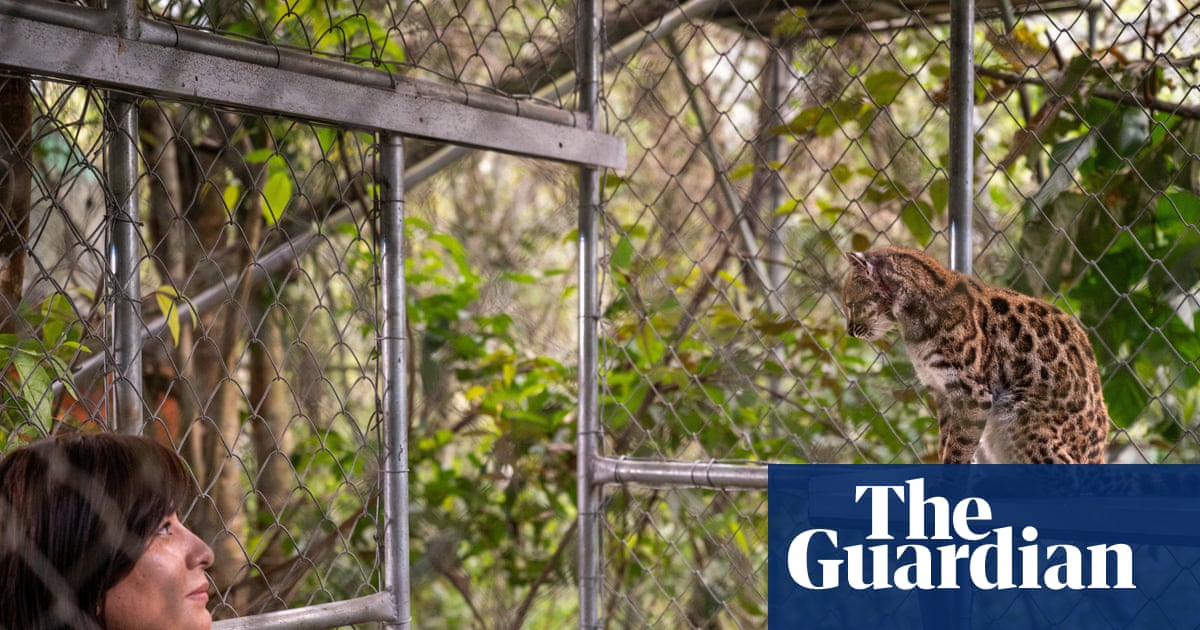
The first new species of living cat to be named in more than a century has been uncovered in Bolivia’s cloud‑covered Yungas forest. The Guardian and other outlets reported that the tiny tiger cat, now called Leopardus tilcayo, was identified after a local family mistook it for a domestic kitten and later handed it to a wildlife sanctuary.
In the mist‑shrouded hills of the eastern Andes, the Yungas forest is a patchwork of cloud‑forest and humid lowland. It is also a refuge for a group of small, cryptic wild cats that have long been lumped together under the name tiger cat. The new study, published in Current Biology, used complete genomes from 38 individuals — including eight museum skins — to separate the group into five distinct species.
Media additions
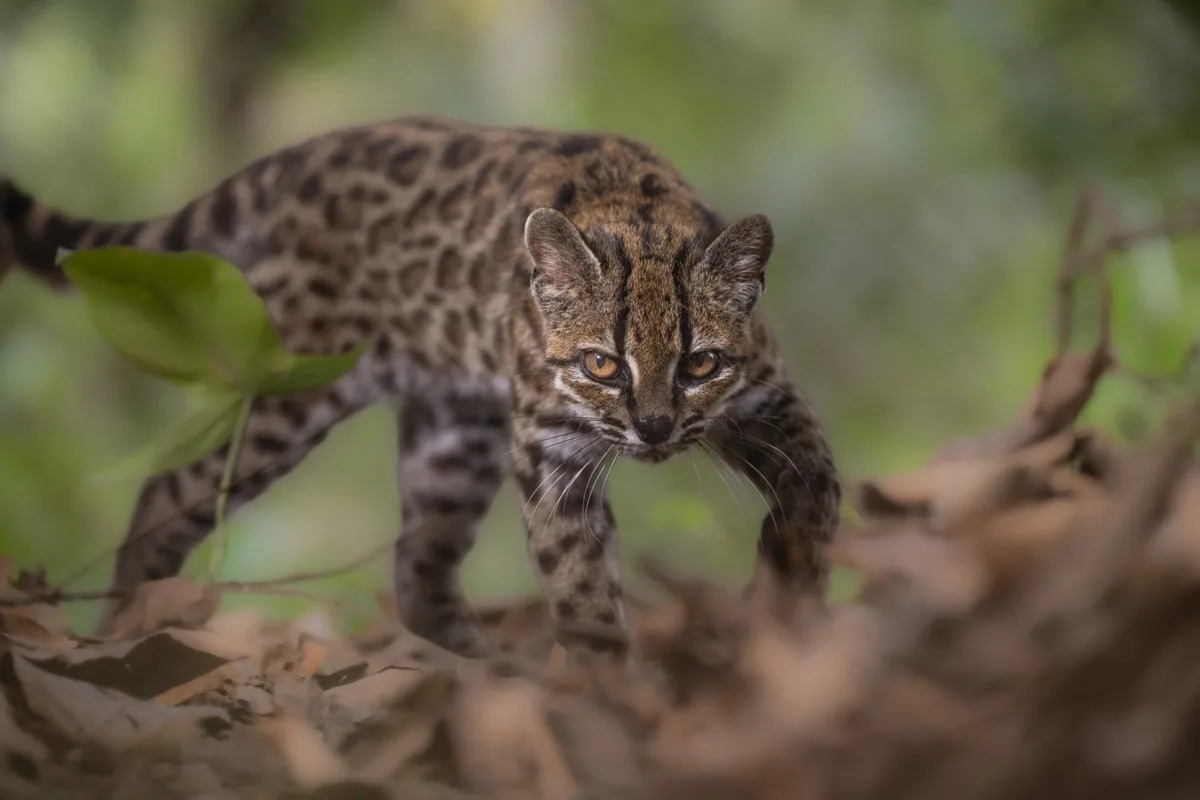
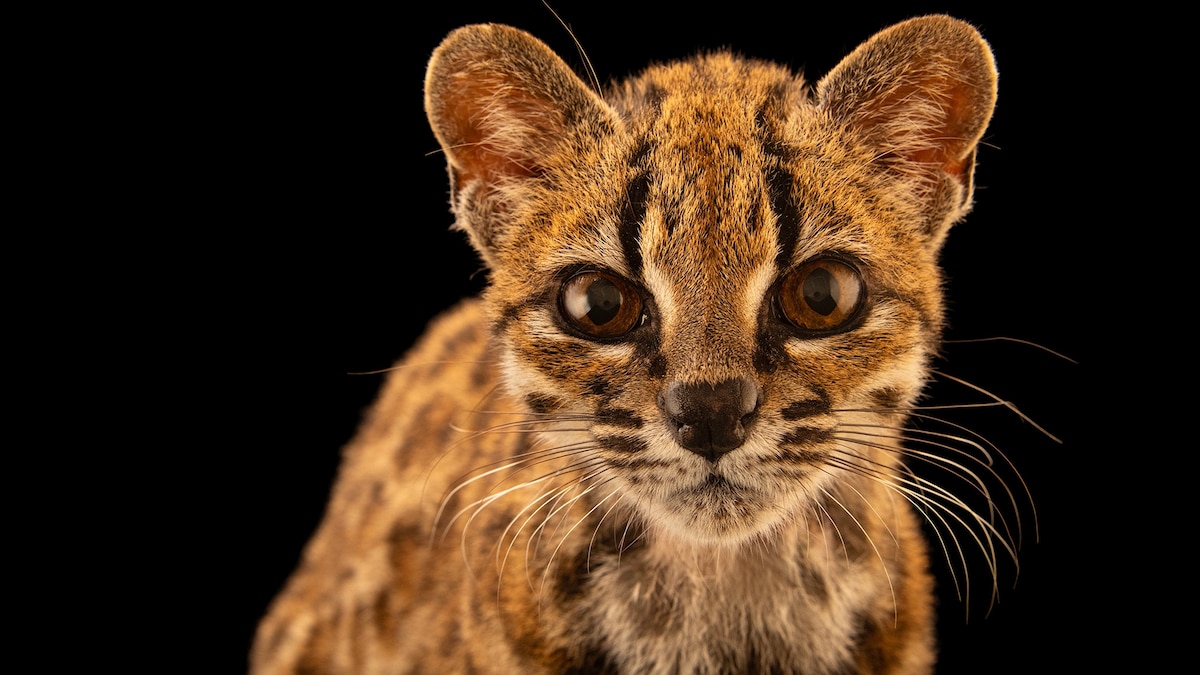
“Our information at this moment is limited to the two live individuals that we examined, and a small number of camera‑trap records.”
Jonas Lescroart, University of Antwerp, via The Guardian
The discovery began in 2016 when a man in a rural community near La Paz found a small, dark‑coated cat on a road and, believing it to be a stray kitten, brought it home. He fed it noodles and eggs before realizing it was a wild animal. The cat, later named “Tigrino” by the sanctuary staff, was transferred to the Senda Verde Wildlife Sanctuary in 2017. Its unusual appearance, light brown fur with irregular rosettes and a long, slender tail, caught the eye of Paola Nogales‑Ascarrunz, a National Geographic explorer and volunteer at the refuge.
I saw this cat. It was really, really small, and I couldn’t believe how small it was.
Paola Nogales‑Ascarrunz, National Geographic Explorer, via The Guardian
When Nogales‑Ascarrunz began to examine the cat’s DNA, she realised it did not match any of the known tiger‑cat species described from Brazil. The team’s genome‑wide analysis confirmed that the Bolivian lineage was genetically distinct, and they named it Leopardus tilcayo after the local name the community had used for the animal for generations.
“This time, it’s a cat. That’s really novel. And it hasn’t happened in 100 years,”
Paola Nogales‑Ascarrunz, National Geographic Explorer, via NBC News
The new species is small: measurements from the two living specimens range from 18 inches (46 cm) to 20 inches (50 cm) from head to rump, with a tail adding another 9–10 inches (25–26 cm). Weighing between 3 lb (1.4 kg) and 4 lb (1.8 kg), the tilcayo is smaller than an average domestic cat.
| Source | Length (in/ cm) | Weight (lb/kg) |
|---|---|---|
| The Guardian | 18 in (46 cm) | 3 lb (1.4 kg) |
| National Geographic | 45–50 cm | 1.3–2 kg |
| Live Science | 16.7–19.6 in (42.5–50.5 cm) | 3–4 lb (1.5–2 kg) |
| Dallas Express | 18 in (46 cm) | 3 lb (1.4 kg) |
Beyond its size, the tilcayo’s ecology remains largely unknown. Camera‑trap footage suggests it is nocturnal, and scat analysis indicates a diet of small rodents and lizards. The species’ range is currently limited to the Nor Yungas near La Paz, but researchers suspect it may also occur in adjacent Yungas in northern Argentina, a possibility that remains unverified.
Conservation implications are immediate. The International Union for Conservation of Nature (IUCN) currently lists tiger cats as two vulnerable species with declining populations. The new split into five lineages means each could be at greater risk when assessed separately.
“We never expected this Bolivian tiger cat to be a separate species, and no one had ever proposed it as a different animal, subspecies or otherwise,”
Jonas Lescroart, University of Antwerp, via NewsCord
Researchers have already shared their findings with the IUCN, and an upcoming review will reassess the five lineages. If the tilcayo is treated as its own species, it could be classified as endangered, prompting targeted protection measures.
The Yungas forest itself is under severe pressure. Deforestation for agriculture, mining, and human settlement, along with recurrent fires, threaten the unique cloud‑forest ecosystem. Nogales‑Ascarrunz stresses that restoring burned patches, protecting remaining native forest, and maintaining habitat connectivity are urgent priorities.
“Restoring forest patches damaged by fires, protecting remaining native forest and maintaining connections between habitats are urgent priorities,”
Paola Nogales‑Ascarrunz, National Geographic Explorer, via NewsCord
Experts warn that the discovery of a new species in a heavily studied group like tiger cats is rare. The last living cat species formally described was the pampas cat in 1923. The tilcayo’s identification demonstrates that even well‑known taxa can still hide unknown diversity, especially in biodiverse but under‑surveyed regions.
Looking ahead, the research team plans to deploy additional camera traps across the Yungas to locate more individuals, map their distribution, and estimate population size. They also aim to study the species’ reproductive biology, predator–prey dynamics, and potential threats from disease and human encroachment.
Timeline of Events
- 2016 – Local community member finds a small cat near La Paz and brings it home.
- 2017 – Cat is transferred to Senda Verde Wildlife Sanctuary; becomes a key specimen for research.
- 2025 – Researchers begin comprehensive genomic survey of tiger cats across South America.
- 2026‑09‑17 – Full genomes of 38 cats published in Current Biology; tilcayo officially named.
- 2026‑10‑01 – Findings shared with IUCN; review preparations underway.
- 2027 – Anticipated IUCN reassessment of tiger‑cat lineages.
For conservationists, the tilcayo is a stark reminder that the Yungas, one of the world’s most threatened cloud‑forest ecosystems, still harbours undiscovered biodiversity. Protecting the forest may be the only way to safeguard this tiny, elusive cat and the many other species that share its home.
What to watch next: The IUCN’s upcoming review, the release of further camera‑trap data, and any policy changes in Bolivia aimed at reducing deforestation in the Yungas. Scientists and local communities will likely collaborate on monitoring programmes that could secure a future for the tilcayo and its forest.
How significant is this development?
Contribute your assessment to the aggregated reader sentiment ledger.
Frequently Asked Questions
Key questions answered in this reportWhat is the key development in: Tilcayo cat identified as new species in Bolivia's Yungas forest?
Scientists have identified the tilcayo in Bolivia's Yungas forest, marking the first new living cat species named in over a century.
Why is this World development significant for the UK?
This report covers critical events in our World beat. Independent reporting monitors related UK statements, regulatory shifts, and public responses as further verified details emerge.
How was this reporting corroborated and verified?
Newsarchy UK compiles and cross-references reporting from primary reporting from NBC News and cross-checked wire reports. All coverage adheres to published editorial standards.
When was this report published?
This briefing was published on September 17, 2026 and is permanently cataloged in the Newsarchy UK World archives.