Trump administration moves to dismiss lawsuit over Alaska Senate race
The Justice Department has moved to drop its federal lawsuit challenging the certification of Mary Peltola's victory in Alaska's U.S. Senate race, asking an appeals court to declare the matter moot.

The Trump administration moved to drop its federal lawsuit challengingekom the certification of Mary Peltola's victory in Alaska's U.S. Senate race, ending a contentious legal battle.
The Department of Justice asked the 9th U.S. Circuit Court of Appeals to declare the case moot following the conclusion of the contest, according to court documents filed on Thursday. The federal challenge initially sought to block or delay certification if the incumbent Republican senator lost, pointing to voter confusion over a second candidate sharing the same name. That candidate, Daniel J. Sullivan Jr., appeared on the ballot with no party preference after a ruling from the Alaska Supreme Court affirmed his eligibility earlier in the year.
Media additions
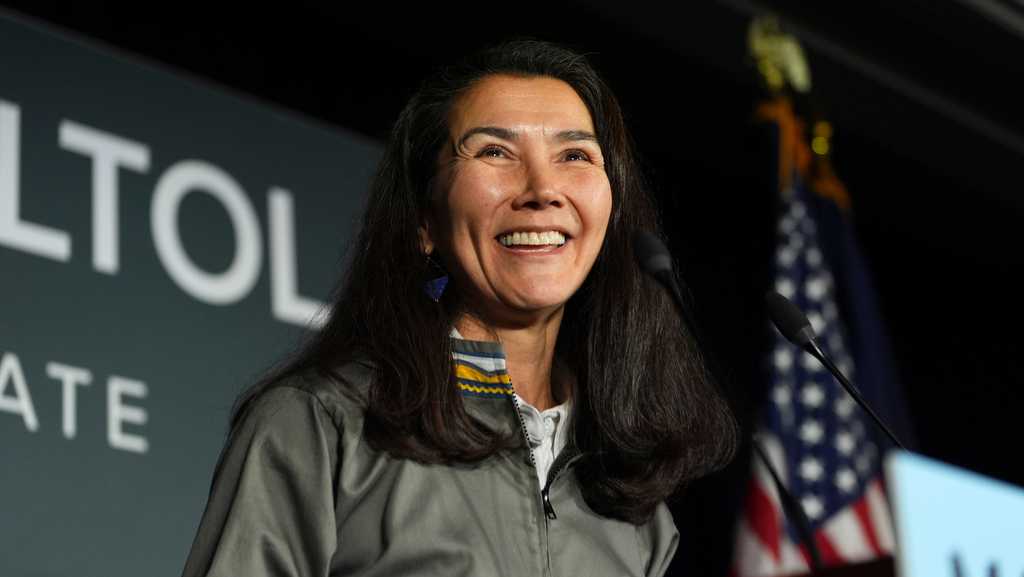
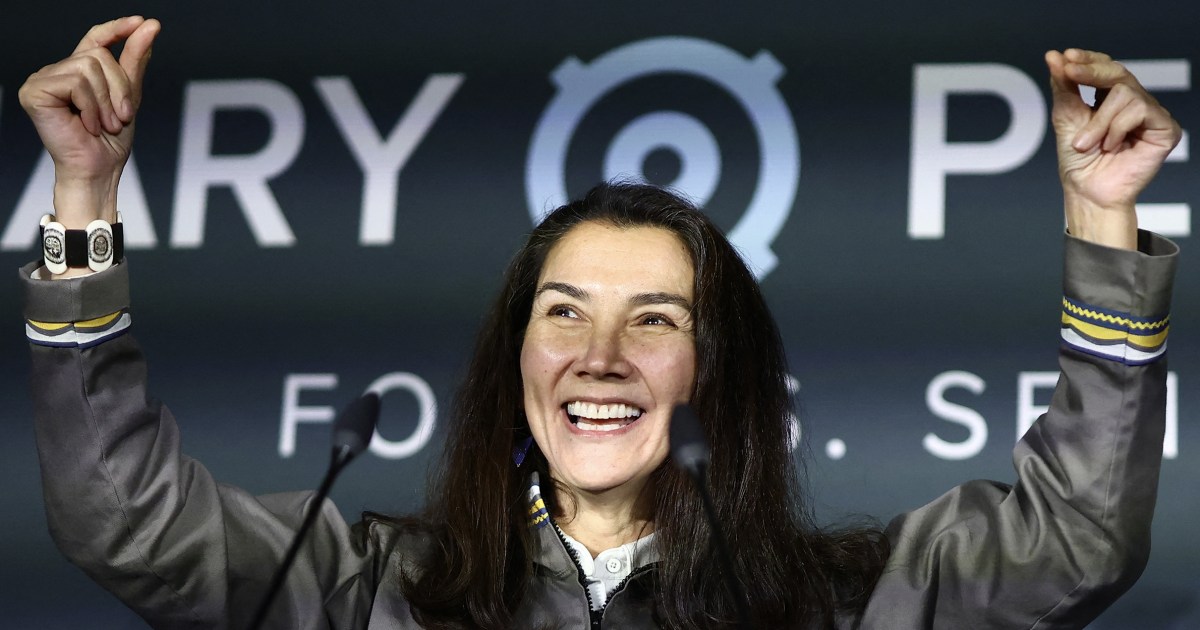

Federal lawyers urged the appeals court to overturn a previous lower court dismissal solely to erase the record of the loss before directing that the case be dismissed on mootness grounds. Associate Attorney General Stanley E. Woodward wrote in the filing that the government reluctantly acknowledges that there no longer exists any means
of determining whether votes cast for the second candidate were intended for the incumbent, as reported by CBS News.
Peltola secured an outright majority of the vote, avoiding the state's ranked-choice tabulation process and capturing a pickup for her party. Responding to the latest legal maneuver, Peltola said, Now that the election is over and the voters sent a very clear message about the direction they want our state to go in, I'm eager to move forward and get to work on behalf of all Alaskans,
according to KCRA.
The administration's initial lawsuit faced fierce resistance not only from Democratic defenders and voting rights groups, but also from Alaska's Republican-led state government. State attorneys labeled the federal challenge meritless
and argued it infringed upon state authority to manage elections. U.S. District Judge Sharon Gleason previously tossed out the lawsuit, ruling that the federal government lacked standing and that the proposed remedy of segregating and investigating ballots would violate voter privacy and the right to a secret ballot, as detailed by NPR and Democracy Docket.
| Filing Phase / Event | Date | Entity / Court Involved | Action Taken |
|---|---|---|---|
| Initial DOJ Lawsuit | Mid-October 2026 | U.S. Department of Justice / District Court | Sought to block certification of Alaska Senate race if incumbent lost |
| District Court Dismissal | 1 November 2026 | Judge Sharon Gleason | Rejected federal lawsuit, citing ballot secrecy and lack of standing |
| Election Day | 3 November 2026 | Alaska Division of Elections | Voters cast ballots; Peltola later wins with an outright majority |
| Appeals Court Filing | 19 November 2026 | 9th U.S. Circuit Court of Appeals | Justice Department moves to declare the lawsuit moot and dismiss |
The Alaska dispute mirrored broader federal interventions by the executive branch in state-run election administration. Around the same period, the Justice Department pursued legal action in California attempting to halt the counting of roughly twenty thousand mail-in ballots from individuals alleged to be noncitizens, an effort that was blocked by the Supreme Court, as covered by CNBC and NBC News.
Legal observers and state officials had previously criticized the Alaska lawsuit as an unprecedented attempt to leverage federal authority over local election procedures. University of Kentucky law professor Joshua Douglas described the challenge as a press release disguised as a lawsuit,
according to Alaska Public Media. Meanwhile, Yahoo News reported that representatives for the incumbent senator indicated they would let the remaining legal processes run their course.
What to watch next
- Official state certification of the Alaska election results scheduled by the Division of Elections.
- Potential responses from the 9th U.S. Circuit Court of Appeals regarding the government's request to vacate the lower court order and dismiss the case on mootness grounds.
- Ongoing state-level inquiries into campaign recruitment practices surrounding decoy candidates.