Trump says Iran talks will start Monday after canceling planned attack
US President Donald Trump announced new negotiations with Iran will begin Monday afternoon, following the eleventh-hour cancellation of a planned military strike.
- Core Development: US President Donald Trump announced new negotiations with Iran will begin Monday afternoon, following the eleventh-hour cancellation of a planned military strike.
- Beat Context: Categorized under World with independent corroboration.
- Reporting Depth: 3 minute analytical read synthesized from verified newsroom sources.
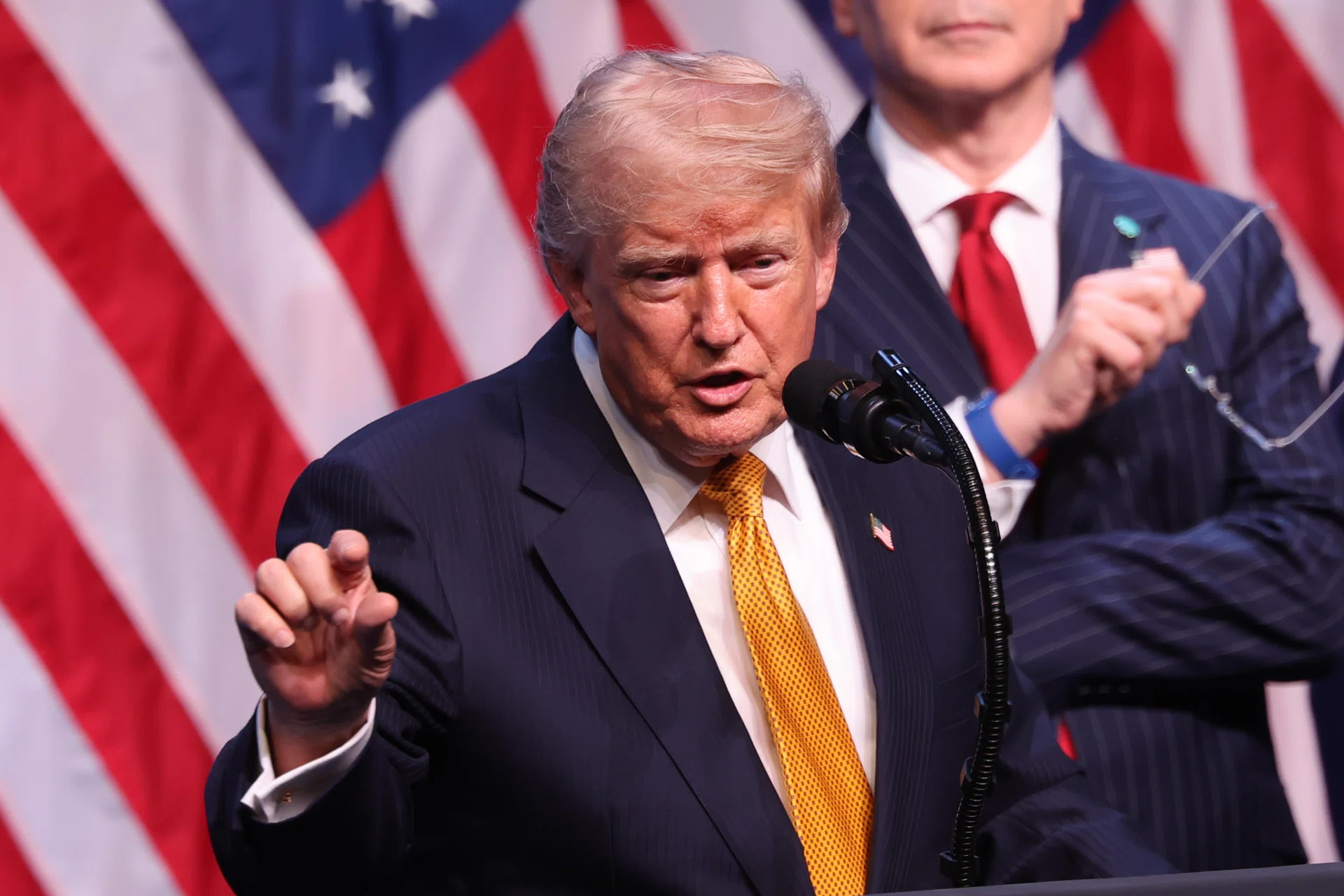
New negotiations between Washington and Tehran are scheduled to begin on Monday afternoon, according to statements made by US President Donald Trump. This diplomatic opening follows a dramatic cancellation of a planned military strike against Iran, an eleventh-hour pivot that the US president attributed in part to urgent appeals from Middle Eastern allies.
Speaking to reporters aboard Air Force One on Sunday, Trump described the aborted offensive in stark terms.
He added that the administration is simply going to see whether or not a comprehensive agreement can be reached."It would have been the biggest attack since World War II"
Donald Trump, US President, via Agence France-Presse / Bloomberg
The sudden shift back to the negotiating table arrives amid a volatile backdrop of military escalation and severe economic ripples. Waves of tit-for-tat Iranian attacks have targeted American allies across the wider region, while Tehran's effective closure of the Strait of Hormuz—a vital global shipping chokepoint—has driven sharp, erratic swings in energy markets. Responding to the latest diplomatic signals, Brent oil for October fell as much as 7.3 per cent to US$81.55 a barrel in early trading on Monday
, following a surge of nearly a quarter throughout July, The Business Times reported.
According to The Business Times, Saudi Arabian Crown Prince Mohammed bin Salman contacted Trump over the weekend to advocate for diplomacy over military action. The Saudi leadership reportedly warned that the consequences of a major escalation remained entirely unpredictable, raising concerns over regional disaster and potential mass displacement.
Trump echoed that sentiment, noting that a deal could prevent widespread turmoil and keep the door open to dismantling Tehran's nuclear program."They said we would much prefer a deal as opposed to an attack because you don’t know where these attacks lead"
Donald Trump, US President, via The Business Times
Parallel diplomatic tracks are advancing elsewhere in the region. Iranian Foreign Minister Abbas Araghchi stated via Telegram on Sunday that separate negotiations between Iran and Oman have reached their final stages. Those two nations flank the crucial shipping lane and have been discussing a potential new route through it. However, Esmail Baghaei, a spokesperson for Araghchi, clarified in an interview on Iranian state-run television that the Omani-led talks do not specifically cover whether the strait will be formally closed or open. Baghaei instead placed direct blame on the United States for the waterway's closure to international shipping traffic.
The broader world coverage of the conflict reveals acute diplomatic friction among the coalition partners. Israel launched the war alongside the US but was not party to an initial Washington-Iran peace deal in June. Zev Elkin, a member of Prime Minister Benjamin Netanyahu’s security cabinet, told local Army Radio that Israel is currently observing the latest diplomatic maneuvers from the sidelines while acknowledging some kind of vector (towards) an agreement between Iran and Oman
.
That June truce ultimately collapsed in July, giving way to renewed hostilities that briefly paused before a sudden escalation. Tehran launched a surprise assault on a US military base in Jordan, firing multiple ballistic missiles that ended the late-July lull. In response to the soaring threat levels, US embassies across the region issued urgent warnings on Saturday advising American citizens to prepare for flight cancellations, periodic airspace closures, and severe travel disruptions.
What to Watch Next
- Monday Afternoon Talks: Monitor the commencement of the newly announced US-Iran negotiations for immediate statements from negotiators or outlines of specific terms.
- Energy Market Repercussions: Watch market pricing in the wake of the drop in Brent oil prices to see if traders maintain confidence in a diplomatic resolution.
- Strait of Hormuz Status: Track developments from the Oman-Iran bilateral talks regarding maritime routing and the potential reopening of the vital global shipping channel.
- Regional Fallout: Observe how excluded regional partners, particularly the Israeli security cabinet, respond to any formal terms emerging from the White House talks.
How significant is this development?
Contribute your assessment to the aggregated reader sentiment ledger.
Frequently Asked Questions
Key questions answered in this reportWhat is the key development in: Trump says Iran talks will start Monday after canceling planned attack?
US President Donald Trump announced new negotiations with Iran will begin Monday afternoon, following the eleventh-hour cancellation of a planned military strike.
Why is this World development significant for the UK?
This report covers critical events in our World beat. Independent reporting monitors related UK statements, regulatory shifts, and public responses as further verified details emerge.
How was this reporting corroborated and verified?
Newsarchy UK compiles and cross-references reporting from primary reporting from businesstimes.com.sg and cross-checked wire reports. All coverage adheres to published editorial standards.
When was this report published?
This briefing was published on August 3, 2026 and is permanently cataloged in the Newsarchy UK World archives.