Iran threatens new offensive while Trump rules out extending ceasefire deal
US-Iran tensions escalate as President Trump and Iranian officials diverge over the status of the Strait of Hormuz following the expiration of a ceasefire.
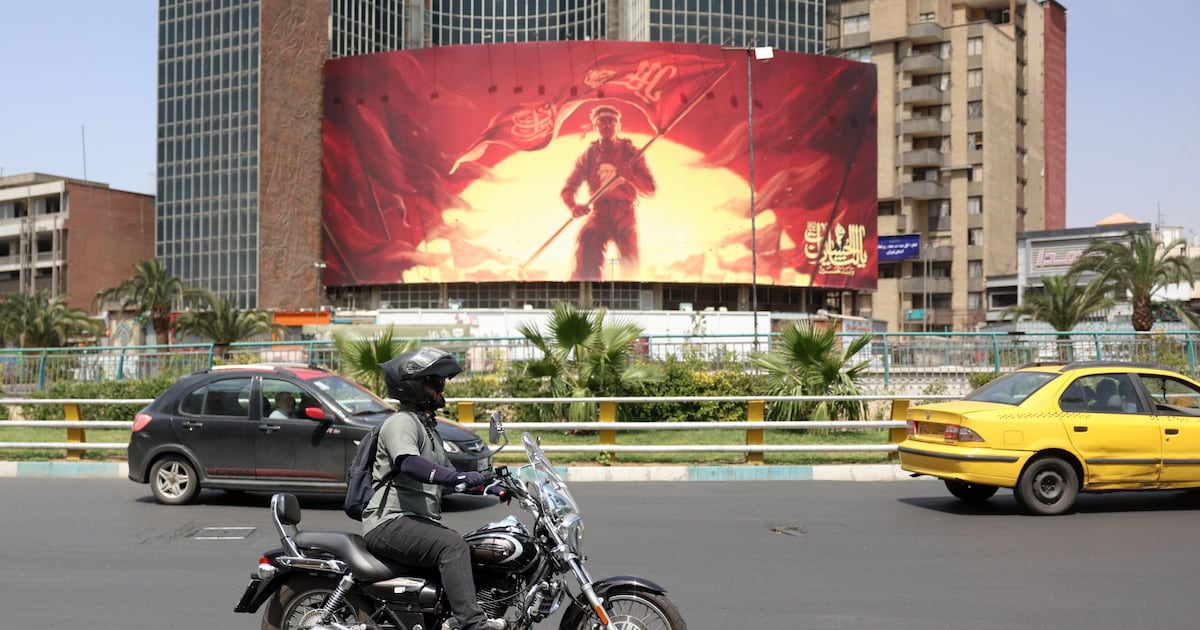
- Core Development: US-Iran tensions escalate as President Trump and Iranian officials diverge over the status of the Strait of Hormuz following the expiration of a ceasefire.
- Beat Context: Categorized under World with independent corroboration.
- Reporting Depth: 5 minute analytical read synthesized from verified newsroom sources.
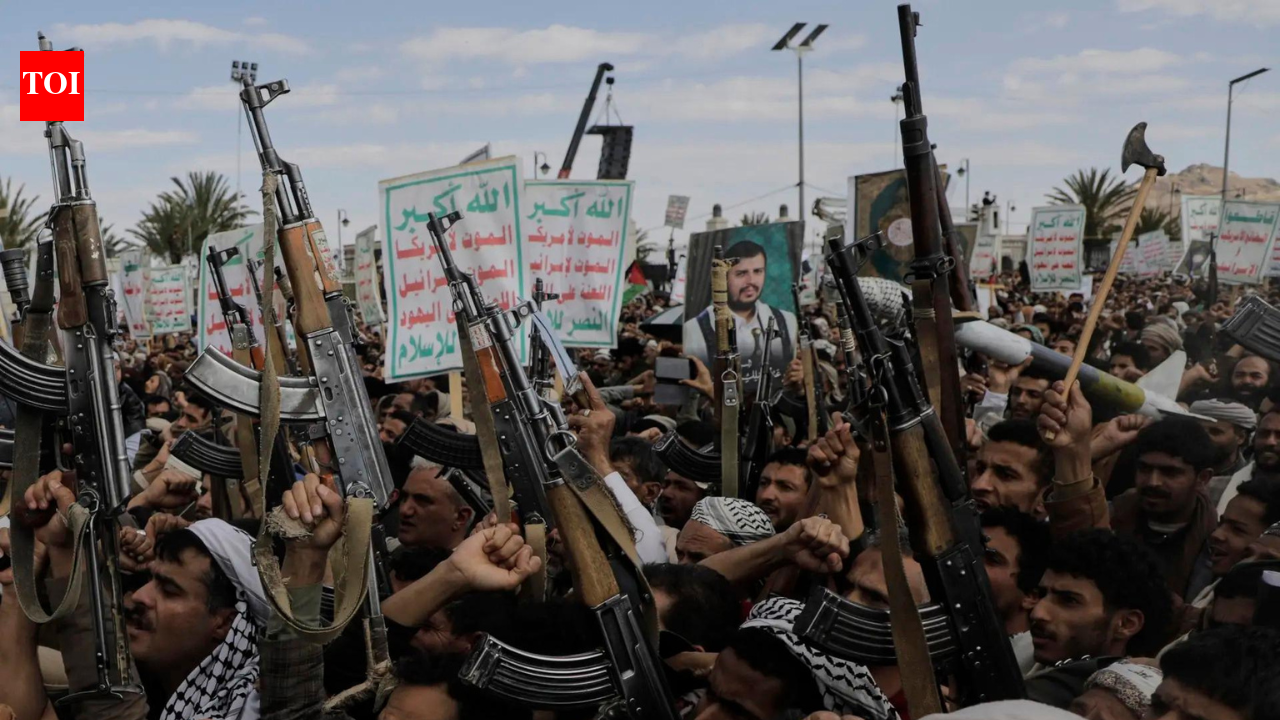
On Tuesday the United States and Iran diverged sharply over the status of the Strait of Hormuz, a split that pushed oil markets higher, stalled peace‑building hopes and sparked a new threat from Tehran to go “fully offensive.” President Donald Trump used his Truth Social account to declare that no talks were under way or scheduled and that the naval blockade remained in force while the waterway was “open and operating.” Iran’s top negotiator, Mohammad Bagher Ghalibaf, countered in parliament that the strait would stay closed until Washington meets the June interim‑deal conditions.
The clash matters because the Hormuz corridor carries roughly one‑fifth of world oil and liquefied natural gas. With the temporary ceasefire that had held for almost six months expiring on Monday, any shutdown or renewed fighting threatens to choke a vital supply line, lift borrowing costs for major economies and nudge global inflation higher.
Media additions


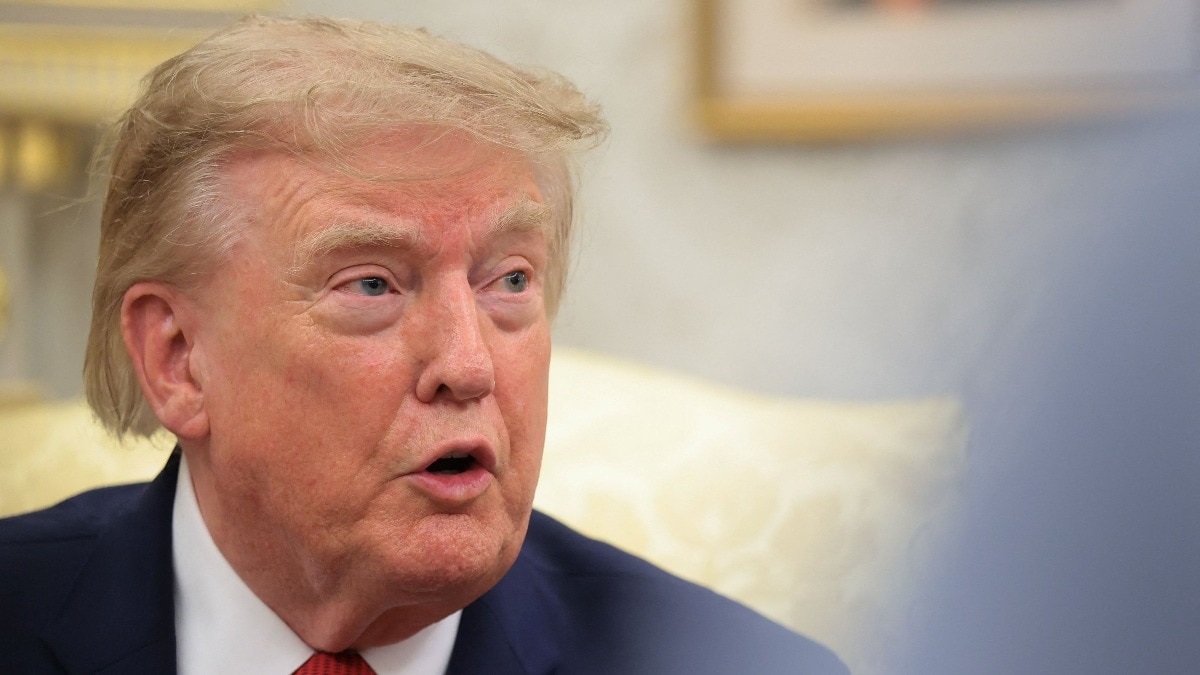
"There are no talks or conversations going on, or scheduled, with the Islamic Republic of Iran. The Naval Blockade remains in full force and effect. The Hormuz Strait is open and operating. All water mines have been removed or detonated,"
Donald Trump, via Truth Social, reported by Free Malaysia Today
Trump’s statement ran counter to an earlier Iranian claim that the chokepoint remained shut in retaliation for the war the United States and Israel launched on February 28. That claim was reiterated by Ghalibaf in a state‑media interview, where he listed the June interim‑deal conditions — lifting the U.S. Blockade of Iranian ports, ending oil sanctions, releasing frozen assets and ceasing all threats and military operations — as prerequisites for reopening the strait.
“The Strait would remain shut until the US met the conditions of an interim deal signed with Iran in June,” Ghalibaf told parliament, according to the Irish Times. The same set of conditions appeared in reports from Naharnet and India Today.
On Monday, Jared Kushner, the president’s son‑in‑law and special envoy, painted a more optimistic picture, saying conversations between Washington and Tehran were “probably more robust than they’ve ever been.” That sentiment was echoed across the three outlets that covered his remarks, but no concrete progress materialised before the ceasefire lapsed.
Meanwhile, the United Kingdom Maritime Trade Operations reported that a vessel was struck by an unknown projectile while outbound in the strait, causing engine‑room damage and a crew casualty. Omani coast‑guard personnel assisted the surviving crew members, underscoring the tangible risk to commercial shipping.
What has happened so far – a timeline
- February 28 – The United States and Israel launch strikes against Iran, igniting the current conflict.
- June 17 – A memorandum of understanding sets a 60‑day window for a broader nuclear‑program and sanctions deal.
- Monday (August 17) – The temporary ceasefire expires; senior Iranian officials announce a shift to a “fully offensive” posture.
- Tuesday (August 18) – President Trump announces on Truth Social that no talks are scheduled and that the Hormuz Strait is open; Iran’s Ghalibaf reasserts the strait will stay closed until deal conditions are met.
The timeline illustrates how the expiry of the June‑June agreement and the lack of a renewed diplomatic framework have left both sides back‑sliding to brink‑line rhetoric and hardline postures.
Points of agreement and contention
| Issue | U.S. Position | Iranian position |
|---|---|---|
| Talks status | None underway or scheduled – Trump (Truth Social) | Iran says talks stalled, prompting “fully offensive” shift – senior Iranian official (Reuters) |
| Strait of Hormuz | Open and operating; mines cleared – Trump (Truth Social) | Will remain shut until US meets interim‑deal conditions – Ghalibaf (parliament) |
| Naval blockade | Continuing full force – Trump (Truth Social) | Blockade cited as breach of interim‑deal – Ghalibaf (state media) |
The stark contrast between Trump’s map labeling Hormuz as “NEW U.S. Territory” and Iran’s insistence that the waterway is closed highlights the diplomatic deadlock. Both sides claim legitimacy: the United States frames the strait as “open and operating,” while Tehran emphasizes that the “interim deal” has not been honoured, leaving the chokepoint under Iranian control.
Analysts cited by the Irish Times warned that the disagreement could push oil prices higher and keep global borrowing costs elevated, as markets react to the uncertainty surrounding one of the world’s most important shipping lanes. The same outlet noted that the cessation of the ceasefire “drove up oil prices again on Tuesday,” while “stock markets sagged” in reaction.
Iran’s adviser to the supreme leader, Mohammad Mokhber, underscored that Tehran remains “open to dialogue” but will not “confuse negotiations with surrender.” That nuance, reported by Reuters and reproduced in the Irish Times, suggests Tehran is seeking leverage rather than an outright breakdown in communication.
What to watch next
- Whether the United Nations or a regional coalition attempts to mediate a new ceasefire before the end of the week.
- Any further incidents in the Strait of Hormuz that could trigger broader naval escalation.
- Statements from the U.S. Treasury on the enforcement of oil sanctions and the status of Iran’s frozen assets.
- Potential shifts in Jared Kushner’s diplomatic outreach, given his earlier optimism and the lack of concrete outcomes.
For now, the gulf between Washington’s claim that the waterway is functional and Tehran’s promise to keep it closed remains unbridged. As the international community watches the strait’s traffic numbers, still in single digits according to preliminary data, the risk of a wider confrontation looms, and markets will continue to price that uncertainty.
How significant is this development?
Contribute your assessment to the aggregated reader sentiment ledger.
Frequently Asked Questions
Key questions answered in this reportWhat is the key development in: Iran threatens new offensive while Trump rules out extending ceasefire deal?
US-Iran tensions escalate as President Trump and Iranian officials diverge over the status of the Strait of Hormuz following the expiration of a ceasefire.
Why is this World development significant for the UK?
This report covers critical events in our World beat. Independent reporting monitors related UK statements, regulatory shifts, and public responses as further verified details emerge.
How was this reporting corroborated and verified?
Newsarchy UK compiles and cross-references reporting from primary reporting from irishtimes.com and cross-checked wire reports. All coverage adheres to published editorial standards.
When was this report published?
This briefing was published on August 18, 2026 and is permanently cataloged in the Newsarchy UK World archives.