Donald Trump signs memo letting private firms launch cyber attacks on criminal groups
President Donald Trump signed a national security presidential memorandum allowing vetted U.S. companies to carry out offensive cyber operations against foreign-based transnational criminal organisations.
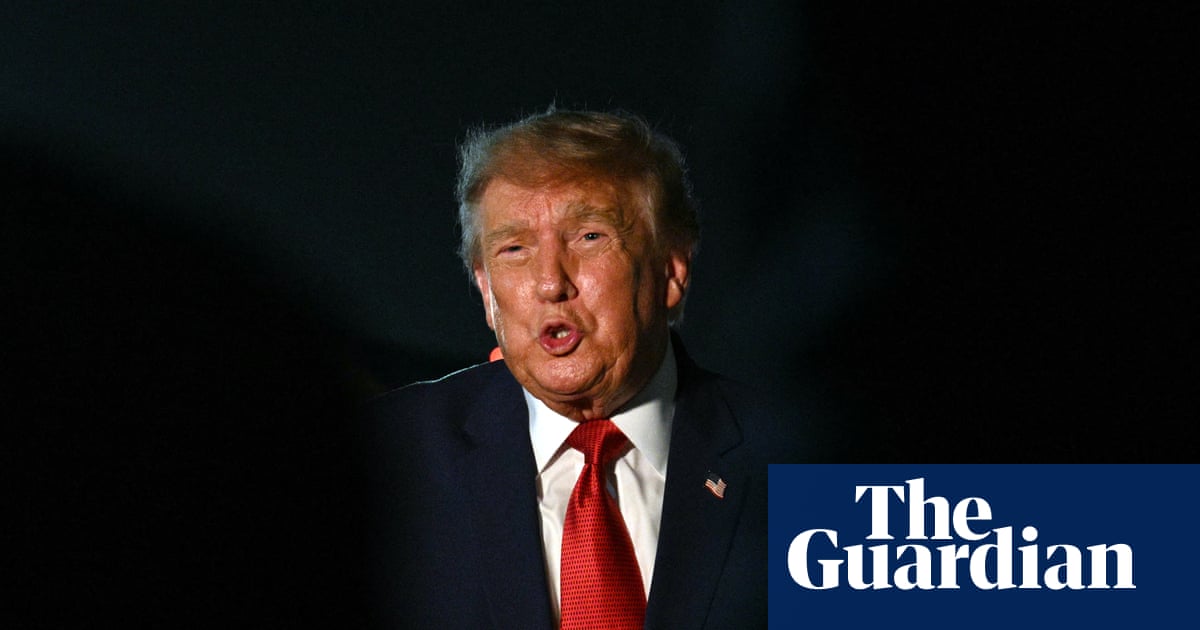
- Core Development: President Donald Trump signed a national security presidential memorandum allowing vetted U.S. companies to carry out offensive cyber operations against foreign-based transnational criminal organisations.
- Beat Context: Categorized under World with independent corroboration.
- Reporting Depth: 3 minute analytical read synthesized from verified newsroom sources.
President Donald Trump signed a national security presidential memorandum on Wednesday that formally authorises vetted U.S. Companies to carry out offensive cyber operations against foreign-based transnational criminal organisations. According to the White House, the policy shifts a role traditionally reserved for government agencies onto the private sector, essentially deputising companies in the online fight against crime.
The memorandum directs the Department of Homeland Security’s National Coordination Center, working alongside the Department of Justice, to create a programme that will vet, contract and oversee participating firms. Under the direction, control and authority of the U.S. Government, those firms may conduct cyber surveillance operations and cyber-effects operations. The memo defines cyber-effects operations as potentially involving the manipulation, disruption, denial, degradation or destruction of information systems, networks, physical or virtual infrastructure controlled by information systems, and any information resident thereon.
Media additions
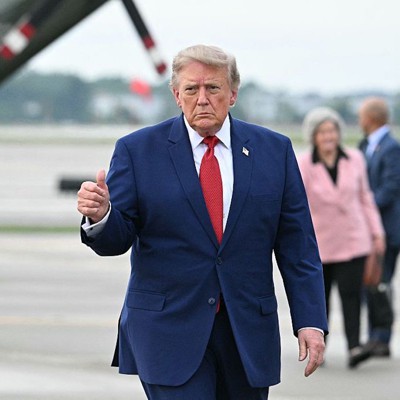

The White House cited ransomware attacks, financial frauds and other crimes run by foreign-based criminal organisations. The framework encourages private sector companies to enter into agreements with other private entities, as well as federal, state, local, tribal and territorial agencies, to gather threat information on transnational criminal organisations and propose cyber operations to address those threats.
Industry reaction and expert perspectives
The policy change follows a national cybersecurity policy released in March that stated the government would create incentives to unleash the private sector against foreign adversaries. Mike Centrella, head of public policy at SecurityScorecard, welcomed the move in a statement reported by Nextgov.
"The memorandum recognizes that addressing cybercrime also requires identifying and disrupting the infrastructure and networks that allow criminal organisations to operate."
Mike Centrella, head of public policy, SecurityScorecard, via Nextgov
Centrella added that the guidance signals an evolution in public-private cybersecurity collaboration, moving from primarily sharing information about threats toward combining government authorities with private-sector intelligence and capabilities to more actively disrupt them. These plans have faced questions from legal experts on what sort of risks companies could face as they enmesh themselves in international digital conflicts. The idea of private sector firms participating in cyber operations against criminal and other targets is not new but has encountered controversy in the past over fears of escalation, inadvertent consequences and inter-agency coordination issues.
How the programme is expected to work
Additionally, participating companies will be required to maintain a bond or escrow of at least $1 million, according to the memorandum.
- Vetting process: Program executive directors from the departments of Homeland Security and Justice — in coordination with the Homeland Security Council — will draft screening standards within 60 days of the memo's signing. Criteria will include technical proficiency, proven performance of cyber operations, facility security, personnel vetting, competence and reliability. The group will ensure that program participation criteria enable involvement from large and small companies, and that operations target only transnational criminal organizations.
- Authorization limits: Program executive directors from the departments of Homeland Security and Justice will have the authority to greenlight companies’ cyber operations unless the authorization would result in a loss of life, serious injury or “rise to the level of use of forced or armed attack under international law.”
- Oversight: The federal government would vet and conduct oversight of authorized companies, which would need to enter into contractual agreements with either DHS or Justice. the program executive directors will produce a report on the initiative’s status and submit it to the National Cyber Director and Assistant to the President and Deputy Chief of Staff for Policy and Homeland Security Advisor.
Timeline of key steps
| Event | Date |
|---|---|
| President signs national security presidential memorandum | Wednesday |
| Department of Homeland Security and Justice task-force to draft screening standards | Within 60 days of the memo’s signing |
International concern over cyber-attacks has grown after the release of increasingly powerful artificial intelligence models, which have shown that they can hack into outdated security systems. In the US, hackers targeted critical infrastructure systems in several states earlier this year, resulting in disruptions at water facilities.
The DHS and the White House did not immediately respond to requests for additional details about the program.
How significant is this development?
Contribute your assessment to the aggregated reader sentiment ledger.
Frequently Asked Questions
Key questions answered in this reportWhat is the key development in: Donald Trump signs memo letting private firms launch cyber attacks on criminal groups?
President Donald Trump signed a national security presidential memorandum allowing vetted U.S. companies to carry out offensive cyber operations against foreign-based transnational criminal organisations.
Why is this World development significant for the UK?
This report covers critical events in our World beat. Independent reporting monitors related UK statements, regulatory shifts, and public responses as further verified details emerge.
How was this reporting corroborated and verified?
Newsarchy UK compiles and cross-references reporting from primary reporting from theguardian.com and cross-checked wire reports. All coverage adheres to published editorial standards.
When was this report published?
This briefing was published on August 13, 2026 and is permanently cataloged in the Newsarchy UK World archives.