Trump says Iran-Oman Hormuz deal could be sealed in days
President Donald Trump stated that a deal regarding the Strait of Hormuz could happen soon as Iran and Oman work to finalize a joint shipping corridor.
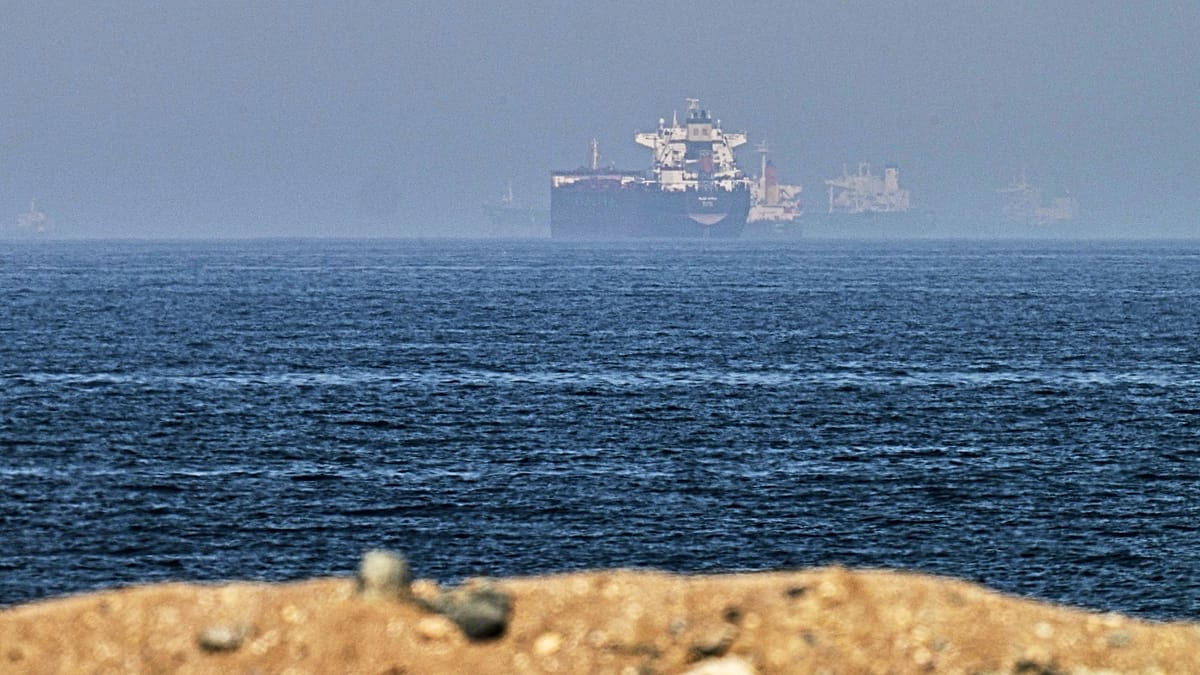
- Core Development: President Donald Trump stated that a deal regarding the Strait of Hormuz could happen soon as Iran and Oman work to finalize a joint shipping corridor.
- Beat Context: Categorized under World with independent corroboration.
- Reporting Depth: 4 minute analytical read synthesized from verified newsroom sources.
A rapid opening of the waterway would affect the flow of oil and gas through a corridor that carries a large share of the world’s energy shipments, and it would test a U.S. Naval blockade that has remained in place since mid‑July.
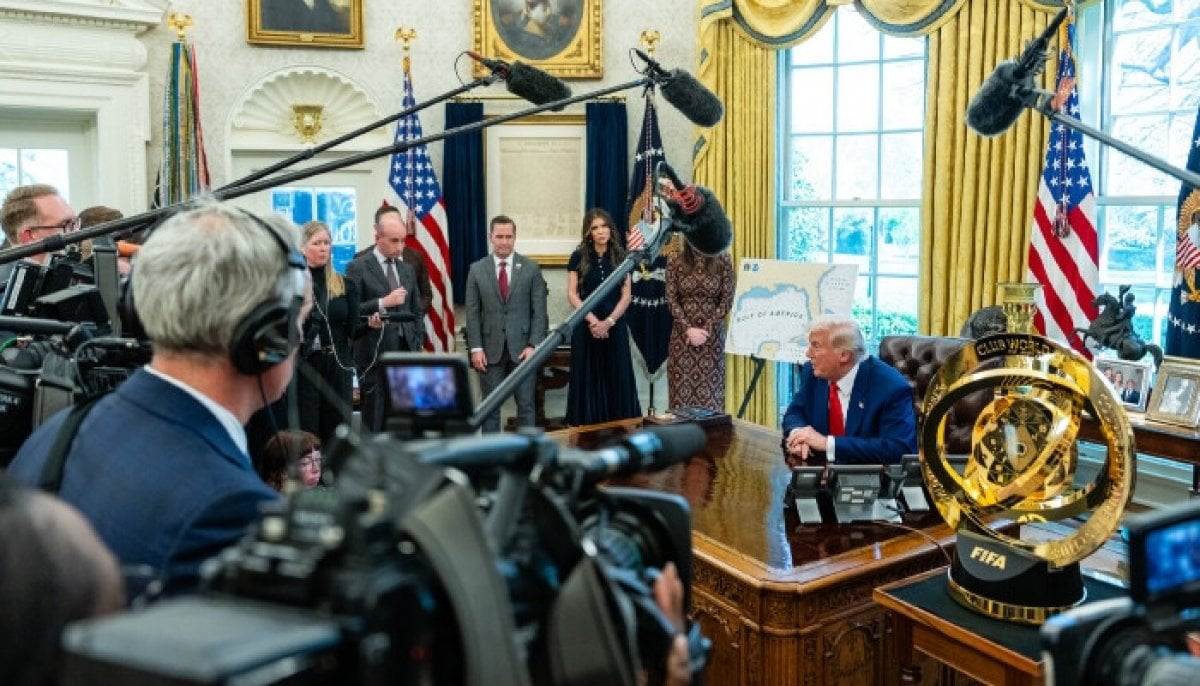
Trump made the remark while answering questions from a travelling press pool on Tuesday evening California time. He repeated the sentiment he had voiced at a rally in Las Vegas the previous day, insisting that the United States “would rather make a deal, because I don’t want to kill people.”
Media additions
"It could happen. Tomorrow or the next day. A lot of progress has been made,"
Donald Trump, President, via CBS News
Trump’s optimism comes as Iran’s foreign ministry announced that Tehran and Oman have finalised the “geographical coordinates” of a joint shipping corridor through Hormuz. The two sides are preparing a joint statement that will outline technical, legal, security and environmental arrangements for the route.
"Provided that certain third parties do not obstruct the process, a joint statement by the two countries … is also being reviewed and finalized,"
Esmaeil Baghaei, Iranian Foreign Ministry spokesman, via Euronews
Both Tehran and Muscat say the corridor will split responsibility: vessels entering the Persian Gulf would pass on a channel closest to Iran under Iranian coordination, while ships exiting would use an Omani‑controlled lane. The draft proposal also mentions a “service fee” whose revenue would be shared between the two neighbours.
The deal, however, is not a simple hand‑over of control. Iran’s foreign ministry warned that the agreement “cannot guarantee safety … while the US naval blockade and other actions … remain in place.” The United States has maintained a blockade on Iranian ports since 14 July, redirecting 48 vessels in the first month of its reinstatement, according to U.S. Central Command.
U.S. Officials have offered conflicting messages. An unnamed State Department source told Livemint that any temporary routes would not require permits, approvals or fees, stressing that “no single party controls navigation.” By contrast, Trump publicly rejected the idea of tolls, saying “I’m not going to let them charge.”
U.S. Secretary of State Marco Rubio added that negotiations are focused on two objectives: an immediate reopening of Hormuz for safe maritime navigation, and a longer‑term aim of a “complete denuclearisation of Iran.” Rubio said progress had been made in Oman‑mediated talks, but stopped short of confirming a final agreement.
Iranian officials underscored that the tide of the war could shift if the strait reopens. Foreign Minister Esmaeil Baqaei told state television that Tehran is “formulating the necessary mechanisms for future arrangements for the management of shipping traffic in this strategic crossing.” He repeated that the final outcome will be announced once negotiations conclude.
U.S. Military leaders have been tight‑lipped about the broader strategic picture. While Pentagon spokesperson Sean Parnell insisted the United States “has everything it needs to execute at the time and place of the President’s choosing,” internal reports to CBS indicated that the U.S. Has used “virtually all” of its long‑range precision missiles in the conflict. Defense Secretary Pete Hegseth dismissed concerns about dwindling stockpiles, calling the story “manufactured.”
In the meantime, the conflict’s ripple effects continue. Yemen’s Iran‑backed Houthi rebels have claimed missile attacks on Saudi oil tankers in the Red Sea and Gulf of Aden, adding pressure on regional oil flows. The United Nations human‑rights chief has warned of a surge in executions in Iran, while the UN and the International Maritime Organization have received a joint letter from eight shipping associations urging them to oppose any mandatory tolls in Hormuz, arguing such charges would set a “dangerous global precedent.”
Timeline of key developments
- 14 July – U.S. Reinstates naval blockade on Iranian ports.
- Late July – Saudi Crown Prince Mohammed bin Salman cautions Trump against a planned joint U.S.–Israel strike on Iran.
- Early August – Iran and Oman agree on precise coordinates for a joint shipping corridor, prepare joint statement.
- Wednesday, 5 August – Iranian foreign ministry spokesman Esmaeil Baghaei says the joint statement is in final review.
- Tuesday, 4 August – Trump tells reporters a Hormuz deal could be sealed “tomorrow or the next day.”
- Wednesday, 5 August – Trump repeats that a deal could happen “as early as Wednesday or Thursday” at a Las Vegas rally.
What to watch next
- Whether Tehran and Muscat issue a joint statement announcing the corridor and its management framework.
- U.S. Response to the proposed service fee – will Washington lift its blockade or impose conditions?
- Further comments from Marco Rubio on the status of the negotiations and any linkage to broader denuclearisation talks.
- Potential reactions from the United Nations and the International Maritime Organization to any toll proposals.
- Impact on global oil markets if the strait reopens, especially as Brent and WTI prices react to regional security news.
Readers can follow the evolving story on Newsarchy UK’s World page and on the dedicated Iran‑Oman Hormuz deal page.
How significant is this development?
Contribute your assessment to the aggregated reader sentiment ledger.
Frequently Asked Questions
Key questions answered in this reportWhat is the key development in: Trump says Iran-Oman Hormuz deal could be sealed in days?
President Donald Trump stated that a deal regarding the Strait of Hormuz could happen soon as Iran and Oman work to finalize a joint shipping corridor.
Why is this World development significant for the UK?
This report covers critical events in our World beat. Independent reporting monitors related UK statements, regulatory shifts, and public responses as further verified details emerge.
How was this reporting corroborated and verified?
Newsarchy UK compiles and cross-references reporting from primary reporting from cbsnews.com and cross-checked wire reports. All coverage adheres to published editorial standards.
When was this report published?
This briefing was published on August 6, 2026 and is permanently cataloged in the Newsarchy UK World archives.