Live updates: Trump says Iran talks will restart after he calls off strikes
President Donald Trump has called off a planned massive airstrike on Iran, pivoting to a new round of diplomatic negotiations following appeals from Gulf allies.
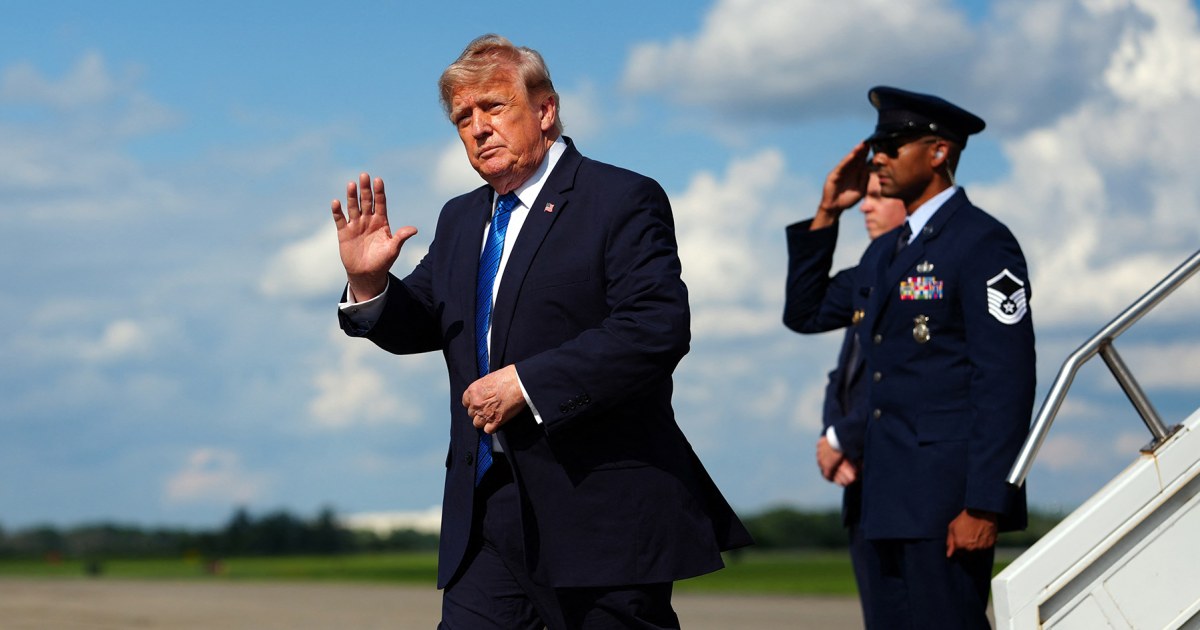
- Core Development: President Donald Trump has called off a planned massive airstrike on Iran, pivoting to a new round of diplomatic negotiations following appeals from Gulf allies.
- Beat Context: Categorized under World with independent corroboration.
- Reporting Depth: 5 minute analytical read synthesized from verified newsroom sources.
President Donald Trump announced on Sunday that the United States will suspend a planned “massive” airstrike on Iran and instead pursue a new round of negotiations slated to begin Monday afternoon. The reversal, prompted by what Trump described as “the perimeters of a deal” and heavy input from Gulf allies, shifts a war that has lingered since the surprise attacks of 28 February into a fragile diplomatic phase with global oil markets already feeling the tremor.
The pivot follows a weekend of behind‑the‑scenes bargaining. Acting Attorney General Todd Blanche revealed that the administration and Senate committees reached an agreement to rescind a $1.8 billion “anti‑weaponization” fund, a move he framed as “good‑faith discussion” with Congress. Blanche posted on X that the order would be issued “with regard to the May IRS settlement.” The fund’s reversal clears a financial obstacle that had complicated talks over the Strait of Hormuz and Tehran’s nuclear programme.
Media additions
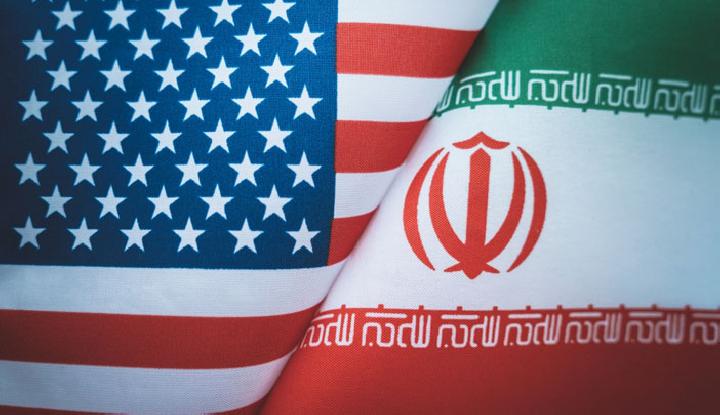
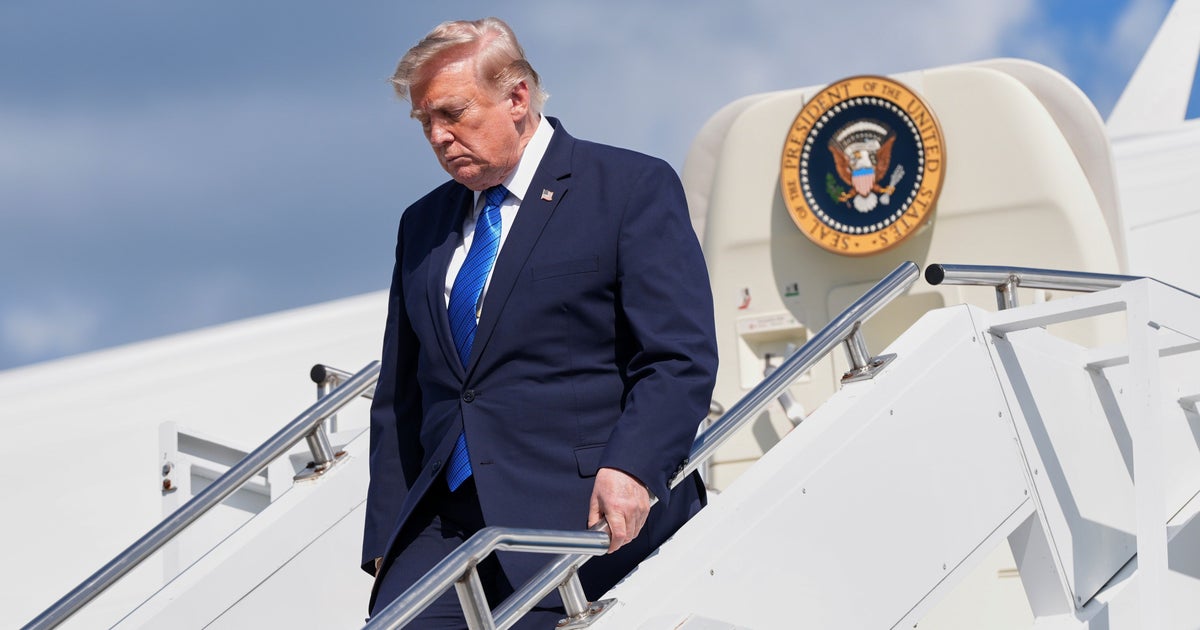
Trump, speaking aboard Air Force One after landing at Morristown Municipal Airport, said the United States would hold “the biggest attack since World War II” off the table after “the crown prince … said they would much prefer a deal.” He added that Gulf states — including Saudi Arabia, the United Arab Emirates and Qatar — had urged restraint.
“I said to the crown prince, ‘What would you rather do? Would you rather us do this or not?’ … They said we would much prefer a deal as opposed to an attack, because you don’t know where these attacks lead.”
Donald Trump, President of the United States, via HuffPost
The president’s remarks echo a series of statements from Saudi Crown Prince Mohammed bin Salman, who told Trump on Saturday that escalation would “have a severe impact on the global economy.” A source briefed on the call described the conversation as “candid and constructive,” noting the crown prince’s concern that any new U.S. Bombardment could trigger Iranian‑backed militia attacks on Gulf allies.
While Trump insists an imminent agreement will reopen the Strait of Hormuz, a chokepoint that once carried roughly one‑fifth of the world’s oil and gas trade, Tehran offers a divergent narrative. Iranian Foreign Ministry spokesperson Esmaeil Baqaei repeatedly emphasized that Iran is not negotiating with the United States but is instead working with Oman to secure a temporary shipping lane through the strait.
“We are not currently negotiating with the United States. Our negotiations are with Oman to secure passage through the Strait of Hormuz.”
Esmaeil Baqaei, Foreign Ministry spokesperson, via Tempo.co
Oil markets reacted instantly. West Texas Intermediate futures fell 4.7 percent to $80.72 a barrel in Asian trade after Trump’s announcement, while Brent crude slipped as much as 7.3 percent to $81.55 a barrel in early Monday trading. The price moves underscore how intertwined the conflict is with global energy supplies.
Maritime officials warned that the waterway remains volatile. Kpler, a trade‑tracking firm, noted a sharp drop in vessel traffic through Hormuz, and the United Kingdom Maritime Trade Operations (UKMTO) confirmed a tanker near Oman heard an explosion on Sunday, though the crew was safe.
In the background of the diplomatic overture, several parliamentary and diplomatic actors have surfaced. Hassan Ghashghavi, spokesman for Iran’s parliament national‑security commission, told reporters that mediators are trying to revive the U.S.–Iran memorandum of understanding signed in June. “They know that the main issue … is the Strait of Hormuz,” he said.
Meanwhile, President Trump’s own team indicated that the United States would lift its naval blockade of Iranian oil and halt attacks on Iranian‑backed militias in Iraq, Jordan and Gulf states once a deal is confirmed. A regional official, speaking on condition of anonymity, said the emerging proposal also calls for “reopening of the Strait of Hormuz and halting attacks across the region,” though no formal text has been released.
Israel, a close U.S. Partner in the war, has signaled willingness to implement the June cease‑fire terms, but has not issued a public comment on Trump’s latest diplomatic gamble.
Timeline of key events
- 28 February 2026 – U.S. And Israel launch surprise strikes on Iran, inaugurating the war.
- June 2026 – A memorandum of understanding between Washington and Tehran is signed, outlining a path toward a broader nuclear agreement and Hormuz reopening.
- Late July 2026 – Renewed U.S. Strikes raise fears of escalation.
- Saturday 2 August 2026 – Trump announces a plan for the “biggest attack since World War II.”
- Sunday 3 August 2026 – Trump scraps the strike after Gulf leaders’ input; Acting AG Todd Blanche announces rescission of the $1.8 billion fund.
- Monday 4 August 2026 – New talks are scheduled to start in the afternoon; Iran says talks are with Oman, not the U.S.
What to watch next
- Monday afternoon negotiations: The location and participants remain undisclosed. Observers will look for any joint statement that confirms U.S.–Iran dialogue.
- Strait of Hormuz traffic: Shipping firms will monitor Kpler data for any rebound in vessel movements, which could signal a de‑escalation.
- Oil price trends: Brent and WTI futures will likely remain sensitive to any signs of a breakthrough or renewed hostilities.
- Regional diplomatic activity: Statements from Saudi Arabia, the UAE and Qatar will indicate whether the Gulf coalition backs a formal cease‑fire.
- Israel’s role: While not a signatory to the June memorandum, Israel’s defense ministry may issue its own assessment of the talks’ impact on its security calculations.
For a deeper dive into the unfolding negotiations, see Trump says new talks with Iran to begin Monday after calling off strikes. The coming hours will determine whether the war’s sixth month moves toward a tentative peace or spirals back into conflict.
How significant is this development?
Contribute your assessment to the aggregated reader sentiment ledger.
Frequently Asked Questions
Key questions answered in this reportWhat is the key development in: Live updates: Trump says Iran talks will restart after he calls off strikes?
President Donald Trump has called off a planned massive airstrike on Iran, pivoting to a new round of diplomatic negotiations following appeals from Gulf allies.
Why is this World development significant for the UK?
This report covers critical events in our World beat. Independent reporting monitors related UK statements, regulatory shifts, and public responses as further verified details emerge.
How was this reporting corroborated and verified?
Newsarchy UK compiles and cross-references reporting from primary reporting from thehindubusinessline.com and cross-checked wire reports. All coverage adheres to published editorial standards.
When was this report published?
This briefing was published on August 3, 2026 and is permanently cataloged in the Newsarchy UK World archives.