Trump threatens sweeping economic penalties for any nation aiding Iran
President Donald Trump has announced a major economic campaign against Iran, threatening severe penalties for any country that provides the nation with a lifeline.
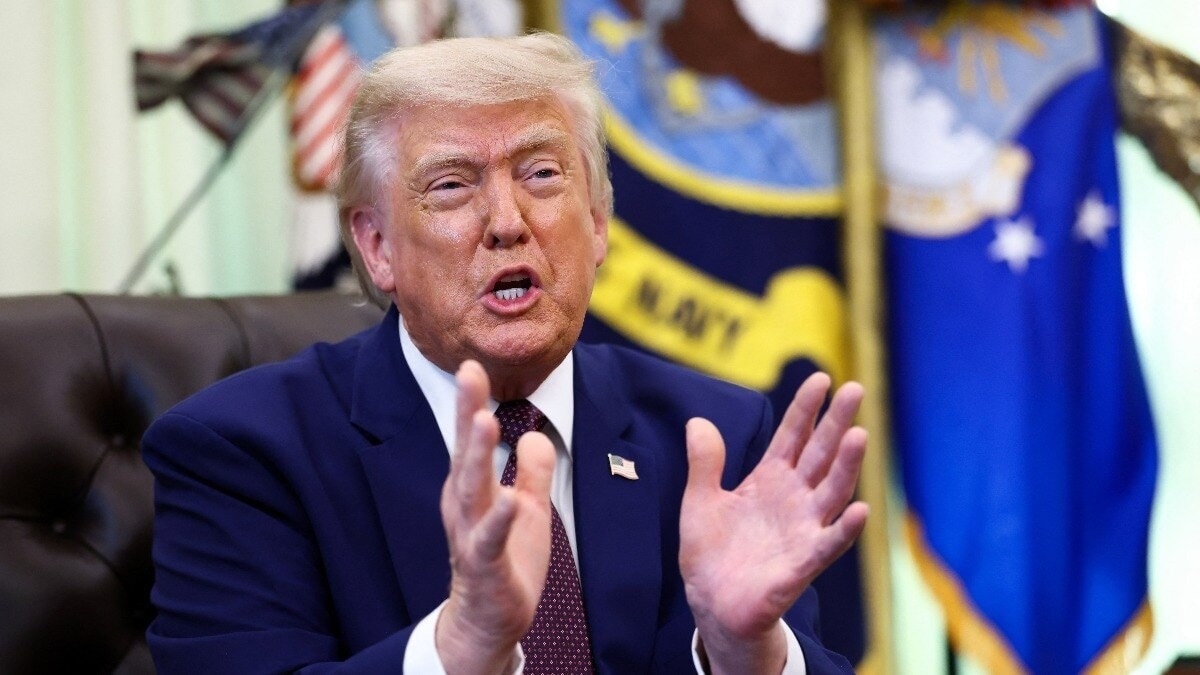
- Core Development: President Donald Trump has announced a major economic campaign against Iran, threatening severe penalties for any country that provides the nation with a lifeline.
- Beat Context: Categorized under World with independent corroboration.
- Reporting Depth: 4 minute analytical read synthesized from verified newsroom sources.
President Donald Trump announced on August 19 a “most crushing economic operation” aimed at Iran and at any country that provides the Islamic Republic with a “lifeline”. The pronouncement arrives as the U.S.–Iran war enters its sixth month, the strait that carries half the world’s oil shipments remains choked, and the November presidential election looms over Washington’s strategy.
Trump’s post on Truth Social left no doubt about the breadth of the plan. He warned that “ANY country that allows its financial institutions, businesses, airports, or government entities to provide any type of lifeline to Iran will itself face TREMENDOUS Economic Consequences.” The president did not name any nation, nor outline the exact sanctions, but listed the activities he intends to curb.
Media additions
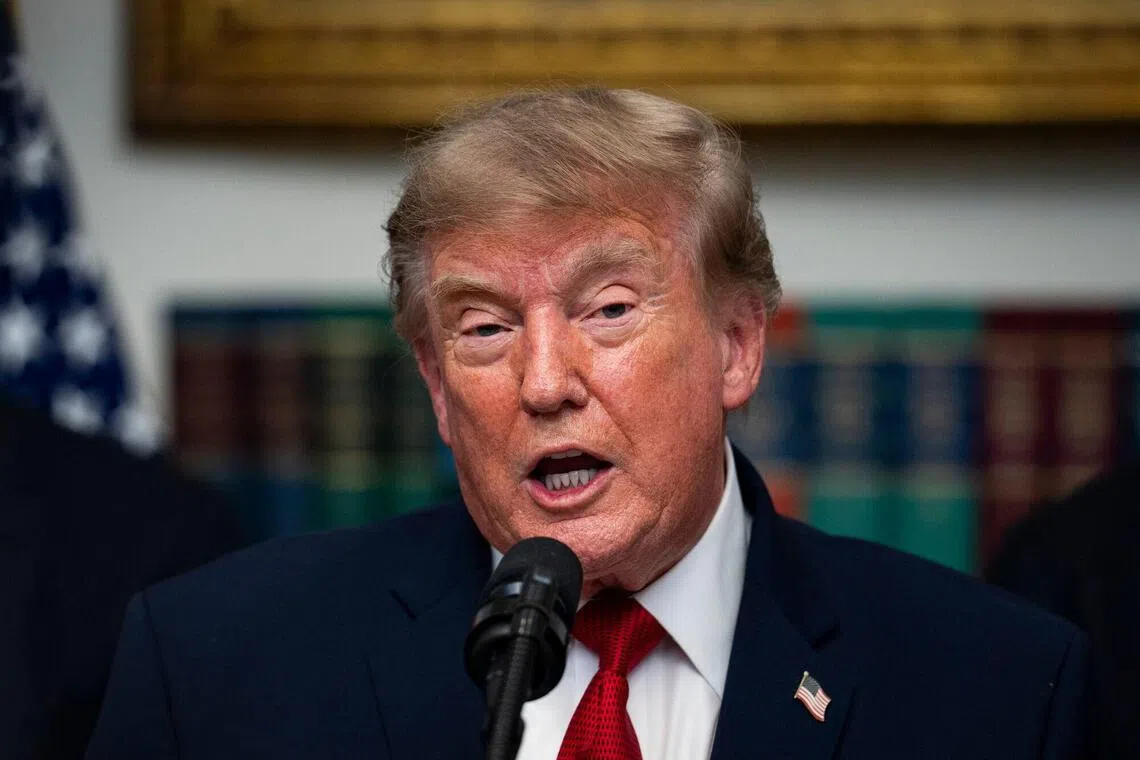
“oil smuggling, swap lines, cash transfers, exchange houses, ship registries, front companies.”
Donald Trump, President, via Truth Social, Strait Times
In the same message, Trump framed the measure as “economic warfare and isolation on an unprecedented scale”, insisting that it would “cripple” Iran’s capacity to “project terror worldwide”. He reiterated his long‑standing claim that “IRAN WILL NEVER HAVE A NUCLEAR WEAPON”. The rhetoric mirrors a previous Business Today report that described the initiative as “the most sweeping economic campaign ever imposed on a country”.
“These HISTORIC MEASURES will cripple them and their ability to project terror worldwide.”
Donald Trump, President, via Truth Social, Business Today
U.S. Treasury Secretary Scott Bessent has already signalled a parallel push on the financial front. Speaking to the conservative Newsmax network, he said the Treasury would “soon be ramping up efforts at economically isolating Iran” as part of a “two‑pronged approach with a U.S. Naval blockade”. He described the forthcoming sanctions as “a combination of economic isolation, like the world has never seen before”.
“It will be a combination of economic isolation, like the world has never seen before.”
Scott Bessent, Treasury Secretary, via Newsmax, Strait Times
The Treasury’s long‑running “Operation Economic Fury” has already targeted Iran’s funding streams with a series of targeted sanctions. Trump’s recent declaration appears to broaden that effort, moving from sanctioning Iranian entities to penalising any foreign firm that touches the country’s trade arteries.
While the president’s statements focus on Iran, the message was aimed squarely at Washington’s allies. On August 18, the United Arab Emirates announced it was suspending all economic dealings with Iran after two ballistic missiles struck its territory. The UAE’s move, described by the Strait Times as “a major trading partner for U.S‑sanctioned Iran”, illustrates the pressure Trump hopes to amplify across the Gulf.
Analysts note that the war’s economic toll is already being felt far beyond Tehran. Axios reported that U.S. Forces are now shepherding “15 to 20 ships” through the Strait of Hormuz each night, roughly “half the pre‑war volume” of daily oil shipments. The same source highlighted that the strait remains “significantly choked”, a condition that threatens global oil markets and raises the stakes for any nation contemplating a trade relationship with Iran.
The political backdrop in Washington adds another layer of urgency. With November elections approaching, Trump is under renewed domestic scrutiny for the war’s cost to American consumers and the strain on the U.S. Military.
Timeline of recent developments
- 28 February 2026: Conflict erupts after coordinated U.S.–Israeli attacks on Iran; Tehran retaliates with missile and drone strikes.
- August 18 2026: United Arab Emirates suspends all economic dealings with Iran following two ballistic missile attacks.
- August 19 2026: President Trump announces the “most crushing economic operation ever taken against any country” via Truth Social; Treasury Secretary Bessent signals an intensified sanctions push.
- Early August 2026: U.S. Naval forces begin facilitating 15‑20 ships nightly through the Strait of Hormuz, roughly half the pre‑war oil flow.
- November 2026 (upcoming): U.S. Presidential election, with the Iran war a central campaign issue.
What to watch next
- Signs of diplomatic overtures, given Trump’s August 18 comment that the Strait of Hormuz could become “NEW US Territory”.
The combination of a hard‑line economic crusade and an ongoing naval presence suggests Washington is preparing a multi‑front strategy to force Iran’s isolation. If the United States follows through, any nation that continues to supply cash, ships, or even airport services to Tehran may face “tremendous” repercussions, a warning that could reshape trade routes across the Middle East and test the durability of long‑standing alliances.
For further coverage of the strait’s traffic disruptions, see Strait of Hormuz traffic stalls as US threatens economic pressure on Iran. The broader strategic implications are explored in Iran, Trump and the risks of an endless war.
How significant is this development?
Contribute your assessment to the aggregated reader sentiment ledger.
Frequently Asked Questions
Key questions answered in this reportWhat is the key development in: Trump threatens sweeping economic penalties for any nation aiding Iran?
President Donald Trump has announced a major economic campaign against Iran, threatening severe penalties for any country that provides the nation with a lifeline.
Why is this World development significant for the UK?
This report covers critical events in our World beat. Independent reporting monitors related UK statements, regulatory shifts, and public responses as further verified details emerge.
How was this reporting corroborated and verified?
Newsarchy UK compiles and cross-references reporting from primary reporting from straitstimes.com and cross-checked wire reports. All coverage adheres to published editorial standards.
When was this report published?
This briefing was published on August 20, 2026 and is permanently cataloged in the Newsarchy UK World archives.