Trump threatens to bomb bridge for each ship hit in Hormuz Strait
President Trump has issued a threat to destroy Iranian infrastructure for every vessel attacked in the Strait of Hormuz. The warning follows significant casualties and rising oil prices during the ongoing conflict.
Trump threatens to bomb bridge for each ship hit in Hormuz Strait
EXECUTIVE BRIEFKey Takeaways & Signal
Core Development: President Trump has issued a threat to destroy Iranian infrastructure for every vessel attacked in the Strait of Hormuz. The warning follows significant casualties and rising oil prices during the ongoing conflict.
Beat Context: Categorized under World with independent corroboration.
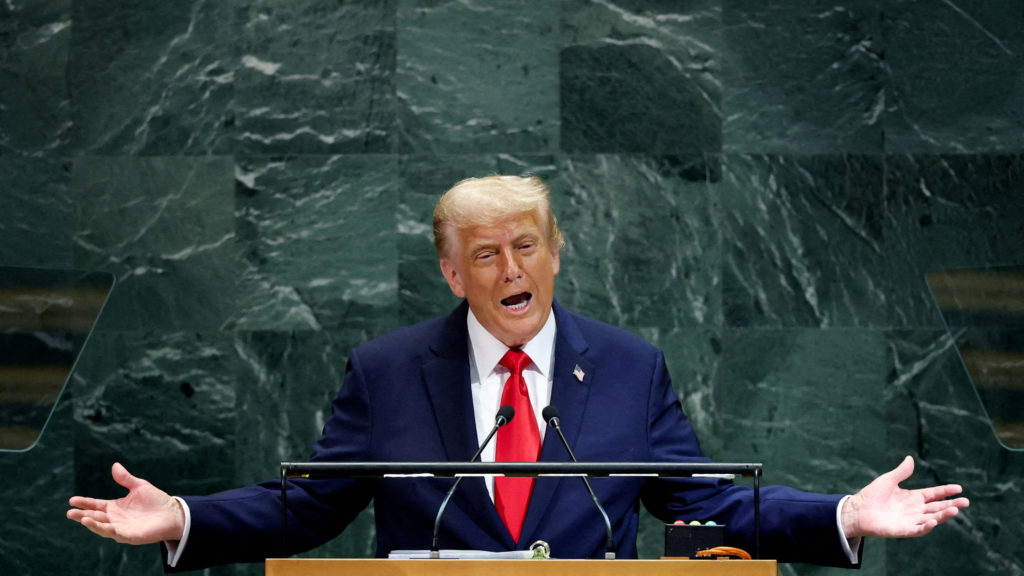
President Donald Trump announced Wednesday that the United States will bomb “one bridge or power plant” in Iran for each commercial vessel the Islamic Republic hits in the Strait of Hormuz, a threat that sharply raises the risk of infrastructure attacks and could halt a critical oil‑shipping lane.
Escalation in words and weapons
Trump’s post on Truth Social read in full:
"From this point forward, any time the Islamic Republic of Iran shoots at a ship in the Strait of Hormuz, whether it be by Missile, Rocket, Drone, or any other device or weapon, the United States will bomb and destroy ONE BRIDGE OR POWER PLANT, including those located next to, or in, the Capital City of Tehran."
Donald Trump, President of the United States, via CBS News
Iran’s retaliatory posture
Iran’s parliamentary speaker, Mohammad Bagher Ghalibaf, responded on X that “no infrastructure will be safe” if the United States follows through. He warned that the security of the strait depends on the absence of American forces and that the situation “will not return to the pre‑war status quo.”
Foreign Minister Abbas Araghchi echoed the “eye for an eye” doctrine, posting that any aggression against Iranian infrastructure would “compel a powerful and decisive response” and that those supporting such attacks “will also be considered legitimate targets.” AP News reported the minister’s warning in the same breath as the President’s threat.
Later that day, the semi‑official Tasnim news agency quoted an unnamed IRGC‑linked military source saying Tehran would strike “regional infrastructure, including energy facilities in which the United States has interests” if Washington bombed Iranian bridges or power plants.
On the ground: casualties, strikes and commerce
The Pentagon’s Defense Casualty Analysis System now lists 18 U.S. Service members killed and at least 482 wounded since the conflict began in late February. Four of those deaths occurred in the past week – three on an Iranian strike against a Jordanian air base and one during a controlled demolition of an Iranian drone in Iraq.
U.S. Central Command reported that Iran has launched more than 30 attacks on commercial vessels in the Strait over the past three months, endangering “hundreds of innocent mariners.” The Joint Maritime Information Center in Bahrain said commercial traffic fell to a three‑week low, tracking only three ships – two cargo vessels and the Chinese‑owned tanker Hsin Ocean – on Tuesday.
Oil markets have reacted sharply. Brent crude rose above $95 a barrel on Wednesday, up more than $20 since attacks resumed on July 7. Iraq, which pre‑war exported about 3.5 million barrels per day via the strait, has lost more than $40 billion in revenue, according to an Iraqi government source. CBS News noted that Iraq’s oil ministry once pumped $7‑8 billion a month into the state treasury.
An American missile struck the Iranian island of Larak on Wednesday, according to Iran's semi-official Tasnim news agency.
Regional ripple effects
Jordan reported intercepting four Iranian missiles over Aqaba and two drones, while nearby Israeli city Eilat heard explosions “from missiles fired from Iran.”
Pakistan’s foreign ministry expressed “deep concern” over Iran’s attempts to drag Saudi Arabia into the war and warned that any attack on Pakistani‑flagged vessels would be treated as a “grave threat” to national security. CBS News covered the statement.
What’s at stake?
Energy flow: The Strait of Hormuz carries roughly a fifth of the world’s traded oil and gas.
Legal norms: United Nations Secretary‑General António Guterres called attacks on civilian infrastructure “unacceptable,” highlighting the risk of violating international humanitarian law.
Timeline of recent developments (July 2026)
July 14: The U.S. Re‑imposes a naval blockade on Iranian ports, intercepting nine commercial vessels attempting to enter or leave.
July 18‑22: Four U.S. Service members killed in Iranian strikes – three in Jordan, one in Iraq.
July 22 (morning): Trump delivers the “bridge or power plant” threat.
July 22 (afternoon): U.S. Completes the 11th night of strikes on Iran.
July 22 (evening): Central Command reports >30 ship attacks by Iran in the past three months; commercial traffic at three‑week low.
READER INTELLIGENCE PULSE
How significant is this development?
Contribute your assessment to the aggregated reader sentiment ledger.
Click an option to register your anonymous assessment.
Frequently Asked Questions
Key questions answered in this report
What is the key development in: Trump threatens to bomb bridge for each ship hit in Hormuz Strait?
President Trump has issued a threat to destroy Iranian infrastructure for every vessel attacked in the Strait of Hormuz. The warning follows significant casualties and rising oil prices during the ongoing conflict.
Why is this World development significant for the UK?
This report covers critical events in our World beat. Independent reporting monitors related UK statements, regulatory shifts, and public responses as further verified details emerge.
How was this reporting corroborated and verified?
Newsarchy UK compiles and cross-references reporting from primary reporting from cbsnews.com and cross-checked wire reports. All coverage adheres to published editorial standards.
When was this report published?
This briefing was published on July 22, 2026 and is permanently cataloged in the Newsarchy UK World archives.