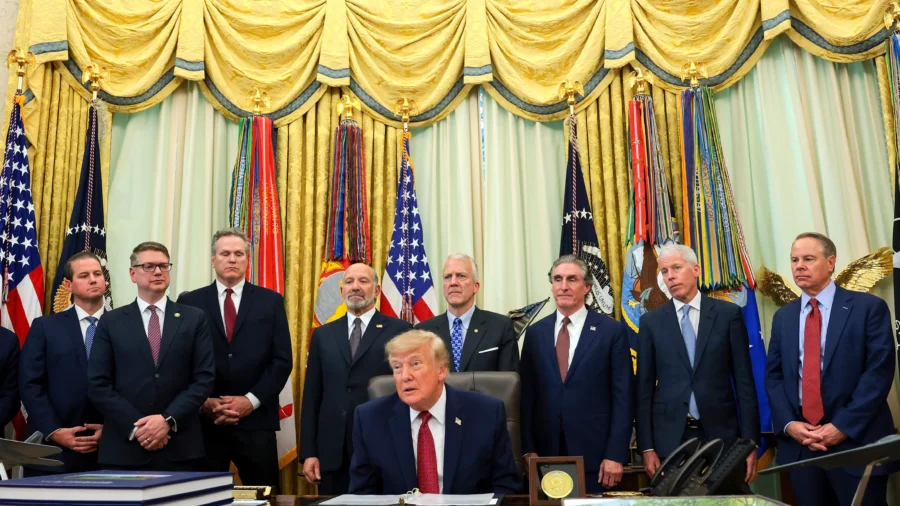
Trump threatens to bomb Oman as Iran vows to escalate Hormuz tensions
US President Donald Trump has issued a blunt threat to bomb Oman following the expiration of a 60-day memorandum of understanding with Iran over the Strait of Hormuz.
- Core Development: US President Donald Trump has issued a blunt threat to bomb Oman following the expiration of a 60-day memorandum of understanding with Iran over the Strait of Hormuz.
- Beat Context: Categorized under World with independent corroboration.
- Reporting Depth: 3 minute analytical read synthesized from verified newsroom sources.
President Donald Trump’s blunt warning that the United States would “bomb the s*** out of” Oman on Monday, 17 August 2026, marks the latest escalation in a dead‑locked dispute over the Strait of Hormuz – a chokepoint through which roughly a fifth of the world’s seaborne oil passes.
The threat came just hours after the 60‑day deadline in the memorandum of understanding signed on 17 June 2026 between Washington and Tehran expired without a final agreement. Iran’s senior officials said the lapse gives Tehran a green‑light to shift from a defensive posture to a “fully offensive” stance, while the U.S. President doubled down on his demand that any regional power interfering with Washington’s aims be punished.
Media additions


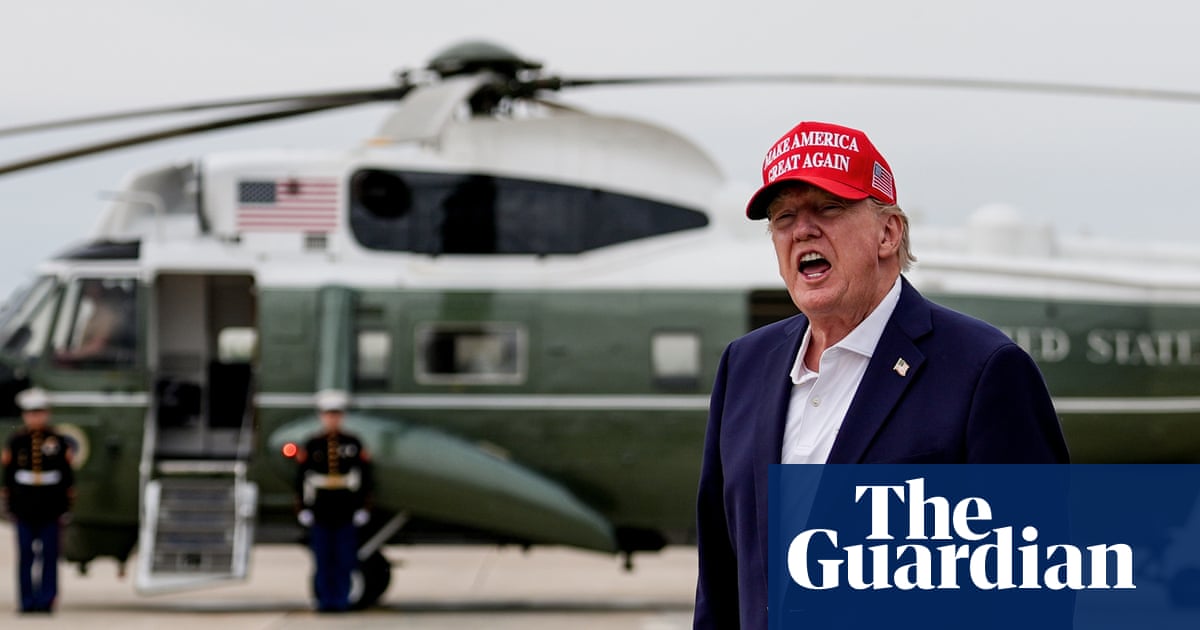
“If Oman gets in the way, we’ll bomb the s*** out of them,”
Donald Trump, president, via Fox News
Trump made the remark to Fox News correspondent Trey Yingst, echoing similar statements he delivered in May during a cabinet meeting, when he warned that “Oman will behave just like everybody else, or we will have to blow them up.” The president’s rhetoric sits alongside a broader campaign to intimidate both Tehran and Muscat, as he repeatedly floated the notion of declaring the Hormuz Strait U.S. Territory once the war ends.
Why the Strait matters now
The strategic waterway sits between Iran to the north and Oman to the south.
Iranian Foreign Ministry spokesperson Esmail Baghaei told reporters that Tehran and Oman have reached an “understanding regarding the map of the transit route,” and that “positive progress” has been made over the past three weeks. Baghaei added that the two sides are finalising a joint declaration on commercial shipping through the strait.
“Despite US obstruction, the talks have made positive progress over the past three weeks, and an agreement has been reached on the shipping route map,”
Esmail Baghaei, spokesperson, via Express
Washington, however, rejects Tehran’s interpretation of point five of the MoU – which Iran claims grants it management rights over Hormuz – and accuses Iran of violating the ceasefire by firing on ships that attempt to use an unapproved corridor.
Competing narratives
U.S. Officials have portrayed the deadlock as a result of Iran’s “hard‑line” demands, while Iranian sources present the stall as Washington’s “obstruction.” The New Republic notes that Iran’s army chief Amir Hatami announced bounties of $30,000 – doubling for women – for the death or capture of U.S. Troops, a move the outlet links to a “large number of requests” to intensify the war.
“Anyone who kills or captures and hands over invading American military personnel will receive a reward equivalent to $30,000,”
Amir Hatami, chief of the Iranian Army, via New Republic
Both camps cite the same set of facts – the MoU, the expired deadline, ongoing talks – but differ sharply on who bears responsibility for the stalemate.
Timeline of key events
- 28 February 2026 – United States and Israel launch war against Iran.
- 17 June 2026 – Memorandum of understanding signed in Versailles, establishing a 60‑day window for a comprehensive deal.
- 7 July 2026 – Trump declares the pact “over” on Fox News.
- Monday, 17 August 2026 – Deadline expires; Iran announces shift to “fully offensive” policy; Trump threatens to bomb Oman.
What experts say
Greg Poling, director of the Southeast Asia Program at the Center for Strategic and International Studies, told AP News that the United States appears to be “doing the exact opposite” of its earlier pledge to pull back from the Middle East, keeping carrier groups on extended deployments to sustain pressure on Iran.
Sen. Jack Reed, top Democrat on the Senate Armed Services Committee, warned that “America’s alliances are built on trust and strength,” and cautioned that the president’s “inane, haphazard decision” could embolden adversaries while alienating allies.
What to watch next
- Whether Iran follows through on its pledge to launch a “timely and precise” military attack to break the U.S. Naval blockade, as a senior Iranian official told Reuters.
- The response of Oman’s government – whether it will press ahead with the joint shipping declaration or bow to U.S. Pressure.
- The likelihood of any renewed back‑channel talks with the Islamic Revolutionary Guard Corps, which Trump claimed were active.
How significant is this development?
Contribute your assessment to the aggregated reader sentiment ledger.
Frequently Asked Questions
Key questions answered in this reportWhat is the key development in: Trump threatens to bomb Oman as Iran vows to escalate Hormuz tensions?
US President Donald Trump has issued a blunt threat to bomb Oman following the expiration of a 60-day memorandum of understanding with Iran over the Strait of Hormuz.
Why is this World development significant for the UK?
This report covers critical events in our World beat. Independent reporting monitors related UK statements, regulatory shifts, and public responses as further verified details emerge.
How was this reporting corroborated and verified?
Newsarchy UK compiles and cross-references reporting from primary reporting from apnews.com and cross-checked wire reports. All coverage adheres to published editorial standards.
When was this report published?
This briefing was published on August 17, 2026 and is permanently cataloged in the Newsarchy UK World archives.