Ukrainian drone strike kills seven on Russian Black Sea beach resort
Ukrainian drone strikes on a popular Russian Black Sea beach resort and the Crimean Peninsula left at least 11 people dead and dozens wounded.

- Core Development: Ukrainian drone strikes on a popular Russian Black Sea beach resort and the Crimean Peninsula left at least 11 people dead and dozens wounded.
- Beat Context: Categorized under World with independent corroboration.
- Reporting Depth: 4 minute analytical read synthesized from verified newsroom sources.
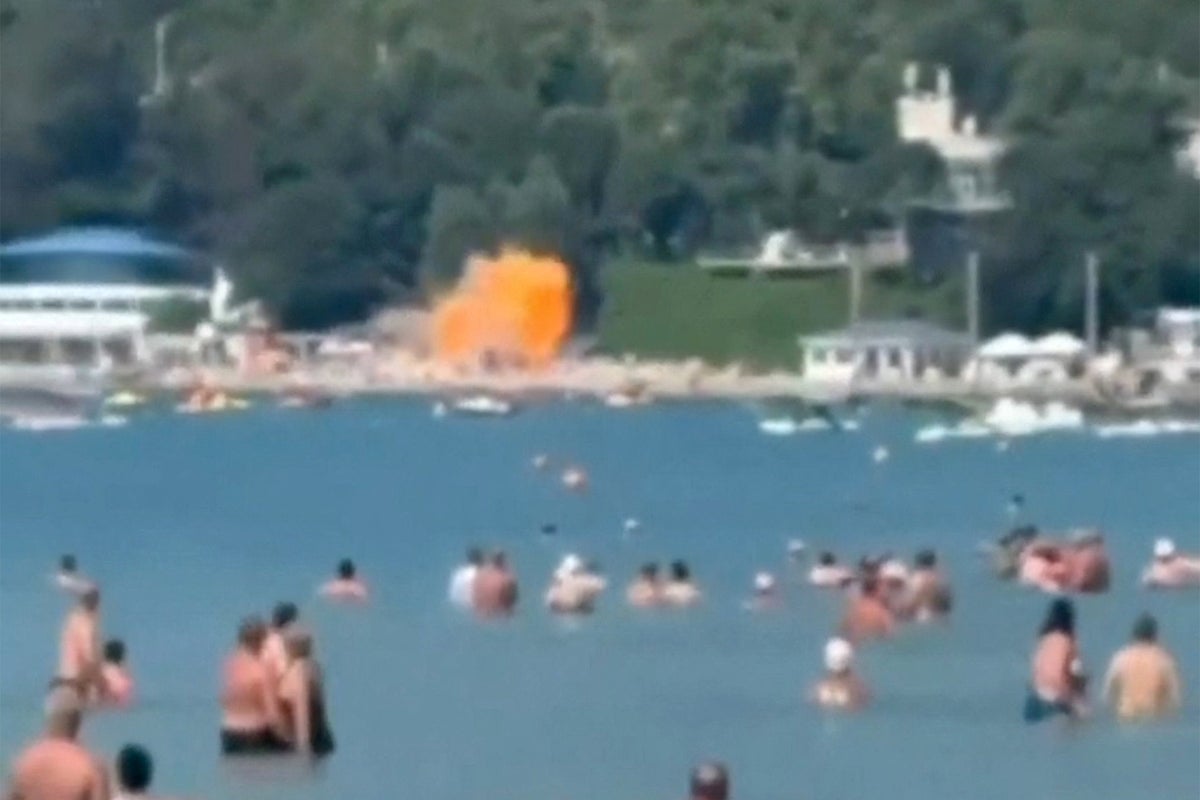
Ukrainian drone strikes on a popular Russian Black Sea beach resort and the Crimean Peninsula have left at least 11 people dead and dozens wounded, according to regional authorities and international reports. The attack on Monday struck a busy holiday spot near the seaside village of Arkhipo-Osipovka and the town of Gelendzhik in Russia’s southern Krasnodar region. Seven people were killed in the beach blast, including three children, sending tourists fleeing from the water as the device slammed into the shore and triggered a large explosion.
Social media footage captured the incoming drone veering toward the coastline before the blast. Regional officials and the crisis task force for Russia's southern Krasnodar region reported that dozens more were wounded in the explosion. Varying accounts of the hospitalisation toll emerged from Russian authorities, with the Russian health ministry stating that numerous individuals, including children, were rushed for emergency medical care while several others remained in a serious condition, prompting the dispatch of a specialist medical disaster team to the area.
Media additions

The strike near a £1bn complex between Arkhipo-Osipovka and Gelendzhik, which has been dubbed as “Putin’s palace”. A 2021 investigation by late opposition leader Alexei Navalny's Anti-Corruption Foundation linked the development to Vladimir Putin, but the Russian leader has denied any ownership.
Venyamin Kondratyev, the governor of Russia's southern Krasnodar region, which includes the resort, described the incident as a tragedy.
Russian Foreign Ministry spokeswoman Maria Zakharova was cited by the TASS state news agency as accusing Ukraine of resorting to terrorism.“What happened today was a deliberate attack by the Kyiv regime on the civilian population, which has no connection whatsoever to military infrastructure.”
Veniamin Kondratyev, Krasnodar region governor, via The Independent
Ukraine has not issued a statement on the attack, but its military has repeatedly said it does not deliberately target civilians. Both locations struck are popular summer destinations among Russian tourists.
The incident formed part of a broader wave of cross-border violence. Four people were also killed in a Ukrainian strike on Russia-annexed Crimea, the Moscow-installed governor, Sergey Aksyonov, said in a post on Telegram. Ukraine has in recent months intensified its counter-strikes on Crimea — seized by Moscow in 2014 — leading to electricity and fuel shortages this summer. Additionally, a separate drone attack on Monday caused a fire to break out at one of Russian online retailer Wildberries’ warehouses in the Vladimir region, which has been repeatedly targeted in recent weeks, leaving a young man with a non-life-threatening head injury who was subsequently taken to hospital.
The escalation aligns with a documented rise in civilian casualties throughout the ongoing conflict. The United Nations has reported an uptick in civilian deaths in the Russia-Ukraine conflict throughout 2026, as the four-and-a-half-year war grinds on with no sign of a peace deal. Ukraine often fires hundreds of drones into Russia at night, in retaliation for Moscow’s own barrages of drones and missiles against Ukrainian towns and cities. Russia last month accused Kyiv's forces of killing 11 people, including four children, in an attack on a holiday camp in a Russian-held part of Ukraine's Zaporizhzhia region.
Retaliatory and incoming strikes continued to hammer populated areas on both sides of the border. On Monday, a Russian attack on a petrol station in Ukraine's Kryvyi Rih, which is President Volodymyr Zelensky's home city, killed three people, the governor of the Dnipropetrovsk region, Oleksandr Ganzha, said. Firefighters were pictured dousing flames near the charred shell of a car at a gas station. Another Russian attack, on the southern Odesa region, wounded 13 people, said governor Oleg Kiper. Meanwhile, Russia has regularly struck targets in Kyiv and other Ukrainian cities since its invasion in 2022, displacing millions and laying waste to swathes of Ukraine. Thousands of civilians have so far died in the war, most of them Ukrainians killed in Russian attacks.
The wider diplomatic fallout saw international reactions intensify following a weekend missile barrage on Kyiv that struck residential areas and destroyed parts of a building in the Shevchenkivskyi district, killing nine people and injuring 28, including four children, according to Kyiv mayor Vitali Klitschko. Condemning the attack, Ukrainian president Volodymyr Zelensky wrote on X: “Russians launched 35 missiles at Ukraine, including 27 ballistic missiles, as well as 185 attack drones of various types. Kyiv was the primary target, but strikes also hit the Dnipro, Sumy, Kharkiv, and Poltava regions. “Only one ballistic missile was intercepted, simply because there are no interceptors for the Patriot systems. And it is this shortage of ballistic missile interceptors that only encourages Russia to launch such attacks that take human lives.” In response to these attacks, Sweden's foreign ministry said on Monday that it had summoned Russia's top diplomat in Stockholm to protest Moscow's attacks on civilians and civilian infrastructure in Ukraine.
Conflict Impact Overview
- Krasnodar Beach Strike: Seven dead, including three children, near Arkhipo-Osipovka.
- Crimean Peninsula: Four dead in separate strikes reported by Moscow-installed authorities, compounding summer electricity and fuel shortages.
- Kryvyi Rih Attack: Three killed following a Russian strike on a petrol station in President Volodymyr Zelenskyy's home city.
- Broader Campaign: Nightly drone exchanges and heavy missile barrages continue to affect interior regions and frontlines alike.
As hostilities persist, international observers note that nightly drone exchanges and heavy missile barrages remain a daily reality along the frontlines and within interior regions, with little indication of a diplomatic breakthrough on the horizon.
How significant is this development?
Contribute your assessment to the aggregated reader sentiment ledger.
Frequently Asked Questions
Key questions answered in this reportWhat is the key development in: Ukrainian drone strike kills seven on Russian Black Sea beach resort?
Ukrainian drone strikes on a popular Russian Black Sea beach resort and the Crimean Peninsula left at least 11 people dead and dozens wounded.
Why is this World development significant for the UK?
This report covers critical events in our World beat. Independent reporting monitors related UK statements, regulatory shifts, and public responses as further verified details emerge.
How was this reporting corroborated and verified?
Newsarchy UK compiles and cross-references reporting from primary reporting from independent.co.uk and cross-checked wire reports. All coverage adheres to published editorial standards.
When was this report published?
This briefing was published on August 4, 2026 and is permanently cataloged in the Newsarchy UK World archives.