Ukrainian drones kill 13, hit oil refinery in Russia’s Nizhnekamsk
A swarm of Ukrainian drones struck an oil refinery and facilities in Nizhnekamsk, Russia, killing 13 people and wounding 78 in a major cross-border raid.

- Core Development: A swarm of Ukrainian drones struck an oil refinery and facilities in Nizhnekamsk, Russia, killing 13 people and wounding 78 in a major cross-border raid.
- Beat Context: Categorized under World with independent corroboration.
- Reporting Depth: 3 minute analytical read synthesized from verified newsroom sources.
On Monday, 10 August 2026, a Ukrainian drone attack struck the petroleum hub of Nizhnekamsk in the Russian republic of Tatarstan, roughly 750 miles east of the Ukrainian border. Regional authorities reported that the raid left at least 13 people killed, including a child, and injured 78 others, making it one of the highest civilian death tolls inside Russia in recent months. According to the Ukrainian military, the operation targeted an oil refinery—specifically identified by Ukraine's General Staff as a Taneco oil refinery—as part of an ongoing campaign to reduce Russia's military and fuel-processing capabilities.
The press service of Tatarstan’s head, Rustam Minnikhanov, stated that the city came under a drone attack targeting industrial and civilian facilities. Russian media reported that the strikes hit a major oil refinery and a hostel. Officials noted that nine of the 13 victims were killed when a drone hit the hostel, and that the dead included citizens of Uzbekistan and Kyrgyzstan. Uzbekistan’s consular office in Tatarstan confirmed that seven of its nationals were killed, and local authorities declared Monday a day of mourning.
Media additions
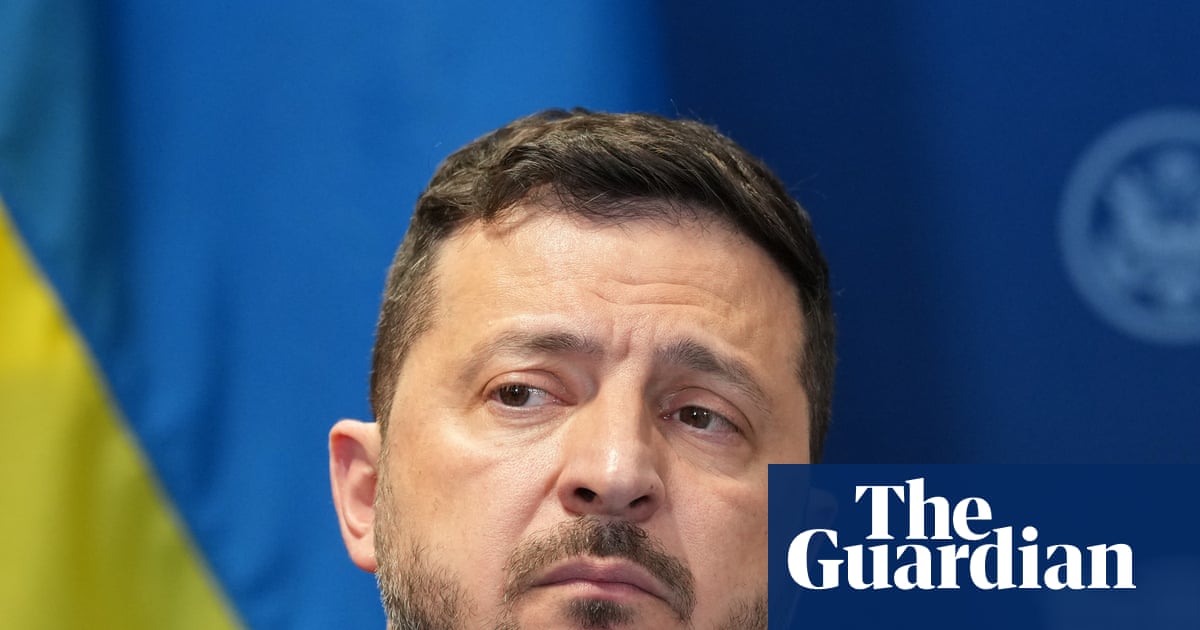
The attack is part of a broader, near-daily campaign by Ukraine utilizing domestically developed long-range drones to strike Russian oil facilities, which has caused fuel shortages and eaten into the country's refining capacity. Ukrainian President Volodymyr Zelenskyy defended the strategy on social media late Sunday, stating that the operations aim to force Russian President Vladimir Putin to the negotiating table and stop the invasion.
"We do deliver entirely justified responses, and every Russian strike will be met with our response. Russia's war will be felt more and more at their own home – in Russia."
Volodymyr Zelenskyy, President of Ukraine, via CBS News
Zelenskyy added that the conflict continues solely due to Russia's unwillingness to end the war. Meanwhile, Russia's Foreign Ministry urged foreign governments and international organizations to condemn Ukraine for the attacks.
The cross-border strikes extended beyond Tatarstan on the same day. Alexander Moor, governor of the Tyumen region in western Siberia, reported that several Ukrainian drones sparked a fire at an industrial facility without offering further details. Ukraine’s General Staff stated that its forces damaged part of a petrochemical complex in Tobolsk within the Tyumen region, noting that the plant produces rocket fuel components, aviation fuel, composite materials for drones, and high-octane gasoline. Last month, Ukrainian drones also struck a refinery in Tyumen, situated more than 2,400 kilometers (about 1,500 miles) east of the border with Ukraine.
Independent verification of claims made by either side was not possible. The widening drone offensive has stretched geographic limits, with Ukraine's long-range drones now reaching Siberia, around 2,000 kilometers from the border.
While Ukraine targets Russian energy infrastructure, Russia continues to strike Ukrainian territory with missiles, powerful glide bombs, and drones. On Monday, a Russian glide bomb struck the city of Zaporizhzhia in southern Ukraine, injuring 24 people, authorities said. According to the United Nations office in Kyiv, 1,396 civilians were killed and 7,978 injured in Ukraine during the first six months of this year, marking a 37% increase from the same period last year, it said. Additionally, the World Health Organization’s European office reported that one of its warehouses in the central Dnipro region was hit twice in less than 24 hours, destroying emergency supplies intended for front-line health facilities valued at an estimated $500,000.
Repairing the damaged oil infrastructure presents significant logistical hurdles for Russia. Ukraine's attacks have damaged specialized equipment that is frequently imported, making repairs time-consuming and expensive as Moscow attempts to source workarounds or replacements while evading international sanctions.
How significant is this development?
Contribute your assessment to the aggregated reader sentiment ledger.
Frequently Asked Questions
Key questions answered in this reportWhat is the key development in: Ukrainian drones kill 13, hit oil refinery in Russia’s Nizhnekamsk?
A swarm of Ukrainian drones struck an oil refinery and facilities in Nizhnekamsk, Russia, killing 13 people and wounding 78 in a major cross-border raid.
Why is this World development significant for the UK?
This report covers critical events in our World beat. Independent reporting monitors related UK statements, regulatory shifts, and public responses as further verified details emerge.
How was this reporting corroborated and verified?
Newsarchy UK compiles and cross-references reporting from primary reporting from bostonglobe.com and cross-checked wire reports. All coverage adheres to published editorial standards.
When was this report published?
This briefing was published on August 10, 2026 and is permanently cataloged in the Newsarchy UK World archives.