Trump hits back at Canada as tariff dispute escalates
Trade tensions between the US and Canada escalated into a severe economic conflict after negotiations collapsed, prompting 50% tariffs on $20 billion in Canadian goods and planned retaliatory measures from Ottawa.
- Core Development: Trade tensions between the US and Canada escalated into a severe economic conflict after negotiations collapsed, prompting 50% tariffs on $20 billion in Canadian goods and planned retaliatory measures from Ottawa.
- Beat Context: Categorized under World with independent corroboration.
- Reporting Depth: 4 minute analytical read synthesized from verified newsroom sources.
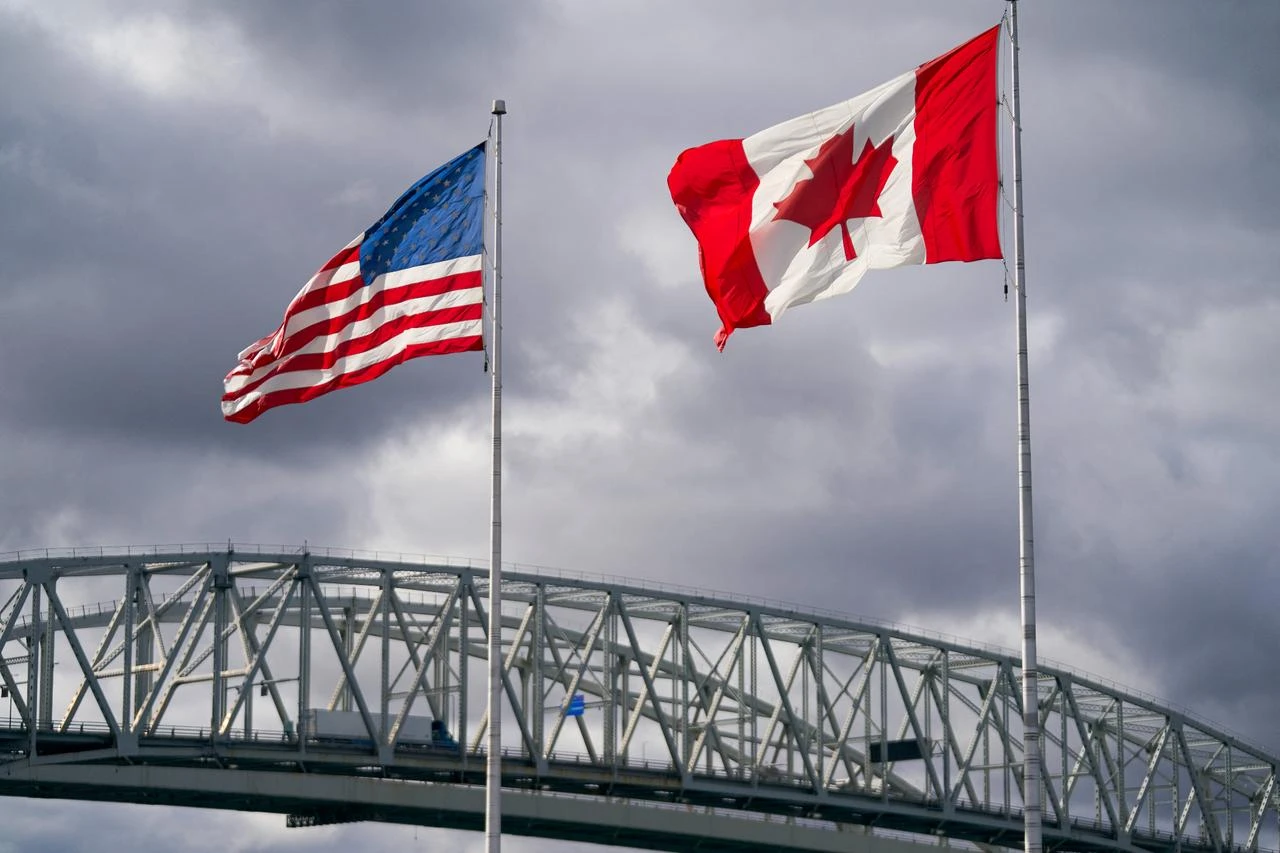
Trade tensions between the United States and Canada deepened significantly over the weekend after trade negotiations collapsed in Washington. U.S. President Donald Trump responded to the breakdown by hitting back at Canadian leadership, while Ottawa announced retaliatory measures in what has rapidly developed into a severe economic conflict between the longtime allies.
Following three days of intensive negotiations that ultimately failed to produce an agreement late on Friday, new 50% U.S. Tariffs came into force on Saturday. These duties impact approximately $20 billion worth of Canadian goods, accounting for roughly 5.5% of Canadian exports to the United States. The measures apply to sectors including wine, furniture, dairy products, cement, clothing, fishing rods, and hockey equipment, and they do not exempt Canadian products under the three-nation trade deal that had previously shielded most exports over the prior months.
Media additions
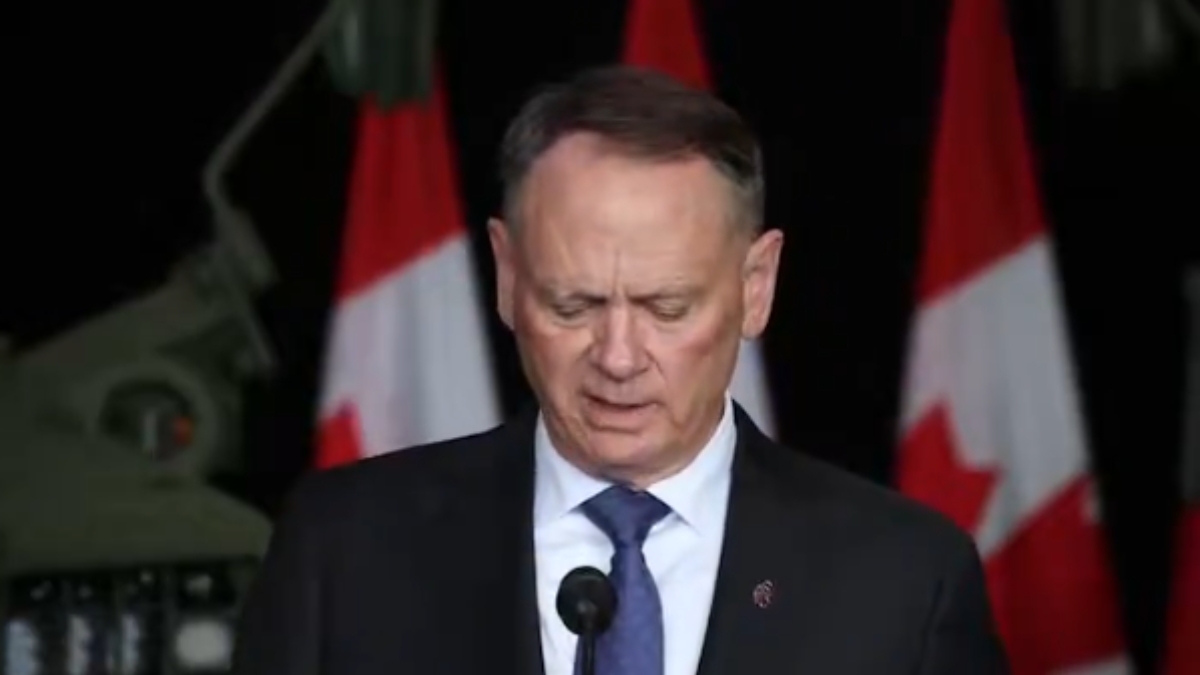
U.S. President Donald Trump took to social media to criticize Canada's response and its historical trade practices, referencing his frequent remarks about making Canada a U.S. State.
"Canada wants the benefits of being a State, without being one!!!"
Donald Trump, U.S. President, via Truth Social
Trump also accused Canada of long-standing hostility toward American agricultural interests.
"They have also charged our great farmers, for many years, massive amounts of Tariffs. No more!!!"
Donald Trump, U.S. President, via Truth Social
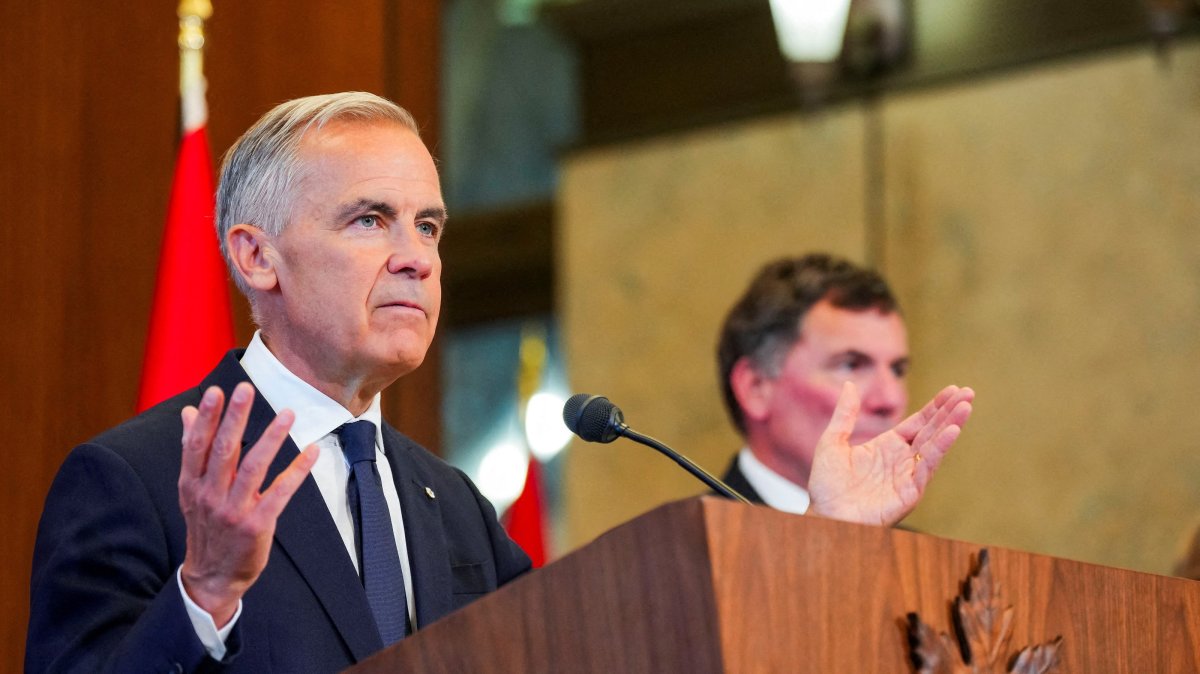
Prime Minister Mark Carney announced on Saturday that Canada would introduce retaliatory tariffs targeting the U.S. Steel and dairy industries, with those measures scheduled to take effect on September 8. Carney described the breakdown as a moment of direct aggression, stating:
"You're at war when you get attacked. We got attacked."
Mark Carney, Prime Minister of Canada, via Daily Sabah
Carney explained that the talks collapsed because U.S. Negotiators introduced eleventh-hour restrictions on Canadian trade deals with other countries and made unacceptable threats to the French language and Quebec culture. According to Carney, the United States proposed new terms that were uneconomic and undermined net benefits for Canada. Carney was elected last year on a platform of being a tough negotiator with Trump, and polls indicate most Canadians oppose making concessions to the U.S.
U.S. Officials defended Washington's negotiating position. U.S. Trade Representative Jamieson Greer told the New York Times that the U.S. Had offered to reduce tariffs on steel, aluminum, and autos while eliminating lumber duties to grant Canada preferential treatment. Greer also told Fox News that Washington was moving forward with measures responding to Canadian retaliation, while a senior U.S. Official characterized the week's talks as candid rather than acrimonious.
The trade rift has triggered concern and criticism on both sides of the border. Trade experts warn that vulnerable industries such as softwood lumber and wine face severe damage, potential job losses, and business closures. Candace Laing, CEO of the Canadian Chamber of Commerce, noted that businesses across all regions and sectors must brace for impact. Meanwhile, political figures across Canada rallied behind the government's stance. Ontario Premier Doug Ford supported the decision to walk away from the table, stating that the proposed agreement was a bad deal for Ontario and the manufacturing sector, while federal opposition leader Pierre Poilievre urged national unity against unfair attacks on jobs and businesses. Ford also criticized Trump directly, telling reporters that Trump could not be trusted and compared him to someone who would steal lunch money.
Within the United States, the escalating trade war drew opposition from Democratic lawmakers and border-state governors—including New York Governor Kathy Hochul, who criticized the administration for needlessly picking fights with allies and raising prices at home. Corporate groups, including the Business Roundtable representing major U.S. Corporations, warned that the duties risk raising costs for American businesses and families and urged both governments to return to the negotiating table.
Key Developments in the U.S.-Canada Trade Dispute
- Trade Talks Collapse: Three days of intensive negotiations in Washington broke down on Friday.
- U.S. Tariffs Take Effect: New 50% tariffs on roughly $20 billion of Canadian goods came into force on Saturday.
- Canadian Retaliation Announced: Prime Minister Mark Carney vowed retaliation targeting U.S. Steel and dairy.
- Effective Date for Retaliation: New Canadian tariffs are scheduled to take effect on September 8, with further details expected in the coming days.
As trade experts and business leaders assess the fallout, attention turns to the upcoming implementation date of the retaliatory measures and whether any diplomatic channels can be salvaged before additional economic damage occurs.
How significant is this development?
Contribute your assessment to the aggregated reader sentiment ledger.
Frequently Asked Questions
Key questions answered in this reportWhat is the key development in: Trump hits back at Canada as tariff dispute escalates?
Trade tensions between the US and Canada escalated into a severe economic conflict after negotiations collapsed, prompting 50% tariffs on $20 billion in Canadian goods and planned retaliatory measures from Ottawa.
Why is this World development significant for the UK?
This report covers critical events in our World beat. Independent reporting monitors related UK statements, regulatory shifts, and public responses as further verified details emerge.
How was this reporting corroborated and verified?
Newsarchy UK compiles and cross-references reporting from primary reporting from abc.net.au and cross-checked wire reports. All coverage adheres to published editorial standards.
When was this report published?
This briefing was published on August 23, 2026 and is permanently cataloged in the Newsarchy UK World archives.