US Democrats increasingly split on Israel aid as Gaza strikes continue
Congressional Democrats are facing a deepening legislative split over military assistance to Israel as ongoing strikes in Gaza fuel shifting domestic voter sentiment.
Growing friction inside Washington has broken open as congressional Democrats face a deepening split over military assistance to Israel amid unrelenting conflict in the Middle East. For generations, support for Israel united American lawmakers across party lines, but ongoing military operations, regional escalations, and the political alignment of foreign leaders have eroded that consensus, according to China Daily. Israel receives $3.8 billion annually in US military aid and received billions more in emergency funds in recent years.
The rift has manifested legislative challenges inside the United States Capitol. Lawmakers recently considered an amendment to cut off funding, with nearly half of House Democrats backing the failed measure—a legislative challenge that previously would have faced overwhelming bipartisan defeat, as reported by China Daily. While House Democratic Leader Hakeem Jeffries and some of his lieutenants opposed the measure as overly broad, former speaker Nancy Pelosi and House Democratic Whip Katherine Clark were among those voting yes. Democratic voter sentiment has shifted significantly, reflecting a broader public questioning of traditional foreign policy stances. A June Quinnipiac University poll found 48 percent of voters and 66 percent of Democrats believe the United States is too supportive of Israel, up from 16 percent and 20 percent when the question was first asked in 2017.
Media additions

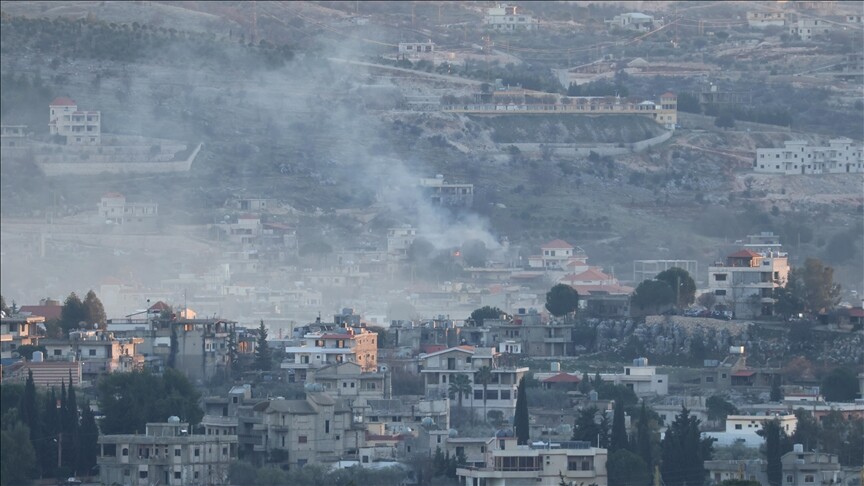
Meanwhile, developments in international diplomacy run parallel to continued bloodshed on the ground. Anadolu reports that military operations have persisted despite a ceasefire that took effect on Oct. 10, 2025. Strikes across various areas of the strip have resulted in civilian casualties, drawing frequent condemnation from local medical authorities and international observers. Medical sources reported that Israeli strikes killed at least six Palestinians and injured 37 others across the Gaza Strip on Thursday.
Diplomatic Negotiations and Disarmament Talks
In Cairo, high-stakes negotiations involving mediators from Egypt, Qatar, and Turkiye have centered on the implementation of the second phase of a phased peace plan presented by the presidential Board of Peace, according to The Standard. United States President Donald Trump announced via social media that the talks produced a historic agreement for the complete disarmament of Hamas through structured phases. However, the diplomatic pathway remains fragile. An anonymous Israeli official earlier described proposed terms as unsatisfactory, and sources close to the negotiations noted that substantial hurdles remain before any agreement can be fully cemented.
The proposed roadmap for the enclave includes several core pillars:
- A surge in humanitarian aid.
- Governance by a civilian Palestinian administration.
- The disarmament of Hamas.
- The withdrawal of Israeli forces from Gaza and the deployment of an international force to help maintain security.
Disagreements over weapons decommissioning persist. While Egyptian sources indicate flexibility from Hamas regarding certain contentious points, questions remain regarding how light and personal armaments will be handled, and whether Israeli leadership will ultimately accept the terms, reported The Standard. Russian Deputy Ambassador to the United Nations Anna Evstigneeva noted at the Security Council that earlier roadmaps struggled to gain mutual backing due to the complexities of demilitarization.
Political Ramifications and Regional Context
The diplomatic push coincides with domestic political battles across the United States. Senator Chris Coons of Delaware, the leading Democrat on the Senate Foreign Relations Committee, expressed hope that upcoming elections in October might pave the way for new leadership and help restore bipartisan alignment, noted China Daily. Coons told Reuters that new governments get to change direction, adding that Netanyahu has kept Israel at war for years partly to avoid political consequences. Conversely, Israel's ambassador to the United Nations, Danny Danon, maintained in an interview that support for Israel remains firmly anchored in the mainstream across broad segments of American political parties.
The political pressure on incumbents is acutely visible in upcoming primary elections. Voters in battleground states continue to weigh competing foreign policy visions, pushing Middle Eastern policy to the forefront of domestic electoral politics.
What to Watch Next
- Electoral Tests: Upcoming primary contests in states such as Michigan will provide further insight into how foreign policy stances influence Democratic candidate viability.
- Cairo Mediation: Follow-up announcements from the Board of Peace and mediators in Egypt will clarify whether the reported disarmament framework can withstand skepticism from Israeli officials and secure formal implementation.
- October Elections: Israeli political shifts later in the year may reshape bilateral relations with Washington and alter the trajectory of ongoing military operations.