US embassies urge citizens to leave Middle East amid regional tensions
US diplomatic missions across roughly ten Middle Eastern nations issued coordinated warnings advising American citizens to consider leaving the region amid escalating tensions between Washington and Tehran.
- Core Development: US diplomatic missions across roughly ten Middle Eastern nations issued coordinated warnings advising American citizens to consider leaving the region amid escalating tensions between Washington and Tehran.
- Beat Context: Categorized under World with independent corroboration.
- Reporting Depth: 3 minute analytical read synthesized from verified newsroom sources.
US embassies across the Middle East issued coordinated security warnings on Saturday, August 2, 2026, advising American citizens to exercise heightened caution and consider leaving the region. The alerts cited the potential for an unforeseen escalation in the ongoing conflict between Washington and Tehran. The warnings were posted online by United States diplomatic missions in approximately ten nations, including Israel, Jordan, Iraq, Egypt, Bahrain, the United Arab Emirates, Qatar, Saudi Arabia, Kuwait, and Lebanon. The advisories followed threats made by US President Donald Trump, who stated that Washington would hit Iran very hard.
The conflict itself erupted earlier in the year on February 28, 2026, when joint US and Israeli airstrikes struck Tehran and other Iranian cities. Those initial raids resulted in the deaths of Iran's then-Supreme Leader Ali Khamenei, alongside senior military commanders and civilians. In response, Iran launched waves of missile and drone bombardments targeting regional US and Israeli assets. Tehran also established tight control over the vital Strait of Hormuz, requiring vessels to obtain permission and pay transit fees before using the waterway. Maritime trade tracking firm Kpler observed that traffic through the Strait has dropped sharply as a consequence.
Media additions

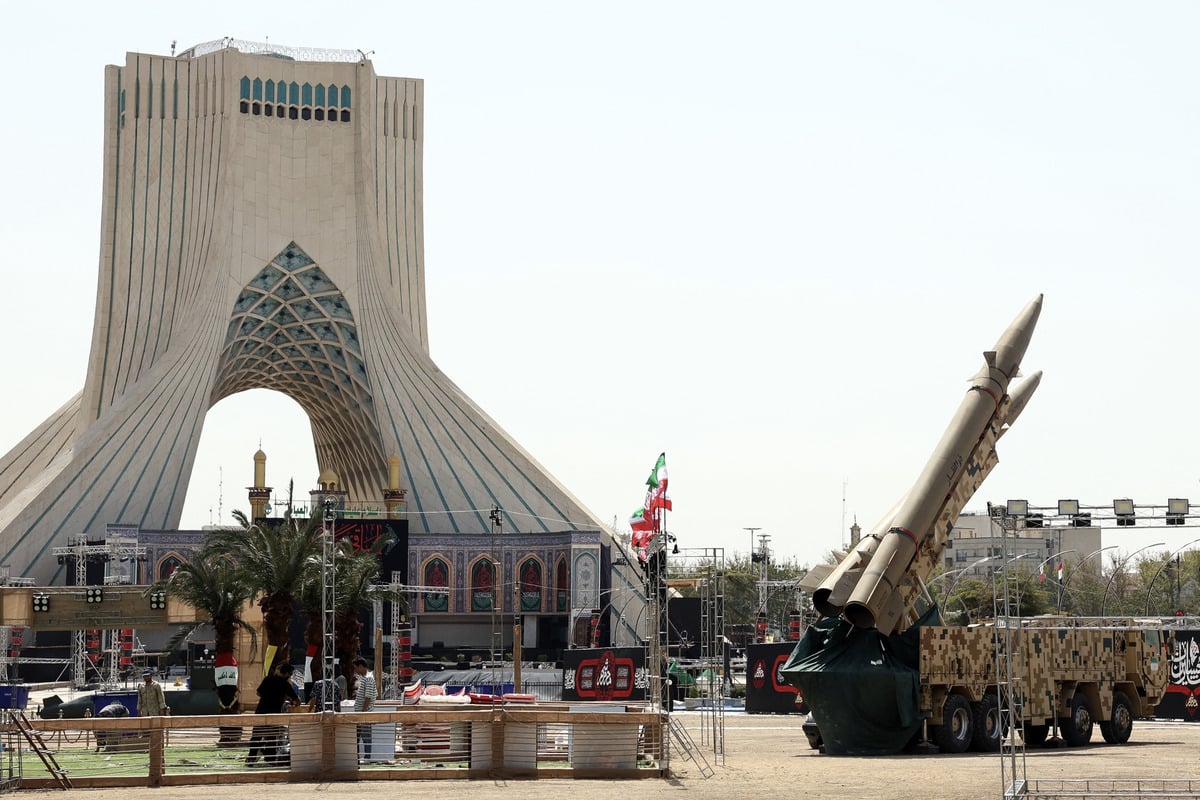
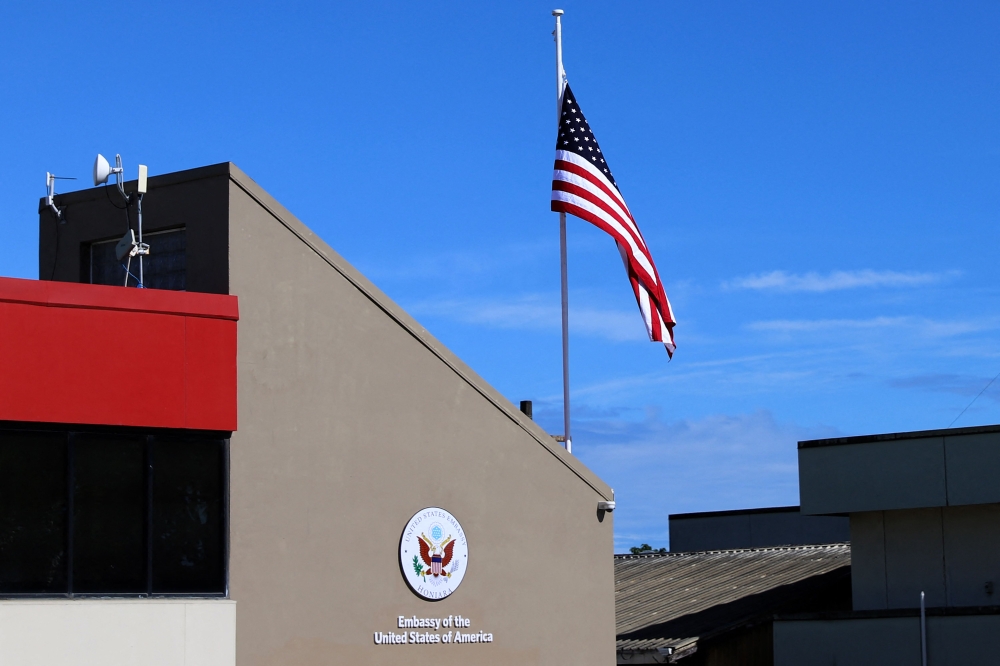
In the wake of the latest embassy warnings, diplomatic posts have provided localized instructions for American nationals remaining in danger zones. Citizens currently in Jordan were explicitly instructed to avoid US military installations following recent Iranian missile attacks on those bases. Meanwhile, Americans in Israel were urged to locate the nearest bomb shelter. The US Embassy in Beirut remains under an ordered departure directive, meaning non-emergency government personnel and family members continue to be relocated outside of Lebanon. Citing unpredictable tactics, the US Embassy in Jerusalem noted in an online post that Tehran has expanded attacks to areas not previously targeted. This pointed to an incident on Wednesday where a drone struck a US-owned gas vessel moored in an Egyptian port, sparking a fire that local authorities are actively investigating without yet attributing to a specific perpetrator.
Regional tensions have likewise manifested across secondary fronts and maritime choke points. An unknown projectile struck a tanker off the coast of Oman, according to a British maritime agency. Further south on the Bab el-Mandeb Strait connecting the Red Sea to the Indian Ocean, Yemen's Iran-backed Houthi rebels denied seeking to charge ships for passage. On the northern front in Lebanon, the Israeli military reported that three Hezbollah fighters were killed during close-quarters fighting that also left an Israeli soldier moderately injured.
Tehran has fiercely rejected Washington's diplomatic posture and military movements. Ali Abdollahi, the head of Iran's military central command, stated on state television that any country serving as a defensive shield for what it termed aggressive America would be engulfed by war. Mohammad Mokhber, an adviser to Iran's supreme leader, echoed those warnings on social media, writing that any direct attack on Iranian infrastructure would awaken deep historical fault lines. In addition, Iran's semi-official Tasnim news agency reported that the Iranian government has prepared an extensive response plan targeting vital Israeli infrastructure and regional US energy assets if attacked.
Regional Security Advisories and Incidents
- Embassy Guidance: Americans across approximately ten Middle Eastern nations are advised to consider immediate departure or prepare for flight cancellations and airspace closures.
- Jordan & Israel: Citizens in Jordan are instructed to steer clear of US military bases, while those in Israel must identify nearby bomb shelters.
- Lebanon Mission: The US Embassy in Beirut maintains an ordered departure status for non-emergency personnel and family members.
- Recent Maritime Incidents: A drone strike ignited a fire on a US-owned gas vessel in an Egyptian port, and an unknown projectile struck a tanker off the coast of Oman.
Following the collapse of an earlier ceasefire, the United States and Iran have resumed overnight exchanges of fire, though no strikes were reported overnight from Friday to Saturday. Civilian populations continue to face severe travel disruptions, flight cancellations, and periodic airspace closures. Operators and diplomats are closely monitoring shipping volumes, routing behaviors, and shifting public stances across the region in the days ahead.
How significant is this development?
Contribute your assessment to the aggregated reader sentiment ledger.
Frequently Asked Questions
Key questions answered in this reportWhat is the key development in: US embassies urge citizens to leave Middle East amid regional tensions?
US diplomatic missions across roughly ten Middle Eastern nations issued coordinated warnings advising American citizens to consider leaving the region amid escalating tensions between Washington and Tehran.
Why is this World development significant for the UK?
This report covers critical events in our World beat. Independent reporting monitors related UK statements, regulatory shifts, and public responses as further verified details emerge.
How was this reporting corroborated and verified?
Newsarchy UK compiles and cross-references reporting from primary reporting from malaymail.com and cross-checked wire reports. All coverage adheres to published editorial standards.
When was this report published?
This briefing was published on August 2, 2026 and is permanently cataloged in the Newsarchy UK World archives.