US launches 13th night of strikes on Iran as Tehran hits Gulf targets
The escalating conflict has triggered a US naval blockade and widespread diplomatic withdrawals as Iranian drone strikes target facilities across the Gulf.

- Core Development: The escalating conflict has triggered a US naval blockade and widespread diplomatic withdrawals as Iranian drone strikes target facilities across the Gulf.
- Beat Context: Categorized under World with independent corroboration.
- Reporting Depth: 3 minute analytical read synthesized from verified newsroom sources.
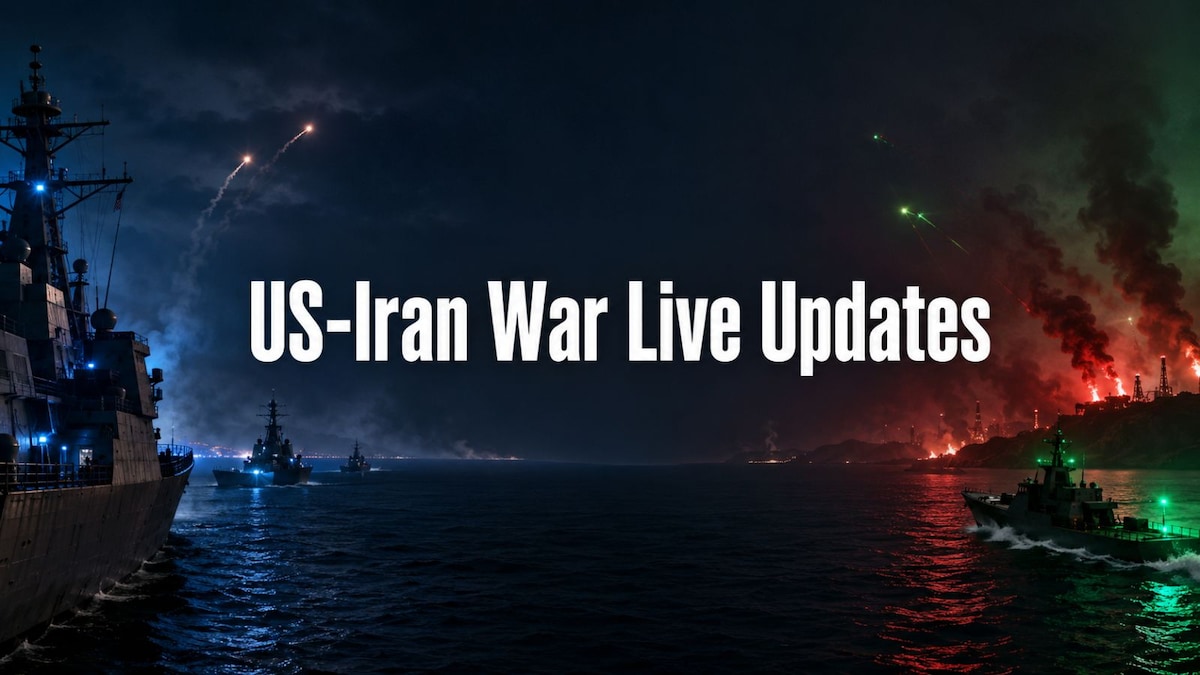
Washington’s air campaign entered its thirteenth night on Friday, July 24, 2026, and Tehran responded with missile and drone strikes on bases in Bahrain and Jordan. The escalation expands a conflict that now threatens international shipping in both the Strait of Hormuz and the Red Sea. The U.S. Naval blockade has now redirected 12 vessels, according to U.S. Central Command.
What triggered the latest surge
U.S. Central Command stated the strikes targeted Iranian drone sites, command centres, and other assets to diminish threats to commercial vessels in the Strait of Hormuz. In retaliation, Iran’s army issued a statement claiming it used Arash kamikaze drones to target fuel tanks, warehouses, silos, and barracks at the Isa Air Base in Bahrain. The Iranian military also claimed strikes against the Al-Azraq base in Jordan, specifically targeting aircraft hangars and barracks.
Media additions
The conflict has expanded into the Red Sea, where Iran-backed Houthi forces have targeted Saudi oil tankers. President Donald Trump warned that the U.S. Would hold Iran responsible for Houthi actions, stating via social media that "major military punishment" would follow further attacks on Saudi vessels.
Ground-level fallout
Iranian state media reported that a U.S. Missile strike near Ahvaz in Khuzestan province resulted in four deaths and several injuries. In Kuwait, the military reported that its air defence systems intercepted incoming drones, noting that explosions heard in the area were the result of these interception operations. A border crossing at Abdali was also targeted by drones, causing damage but no reported casualties.
In Bahrain, authorities activated warning sirens following an explosion reported at the Isa Air Base. The Pentagon confirmed the death of another U.S. Service member following a controlled drone detonation in Iraq, bringing the total number of U.S. Military fatalities reported by the Pentagon to 14 following a data adjustment.
Regional and diplomatic impact
Iranian Foreign Minister Abbas Araghchi stated at a meeting in Kyrgyzstan that any nation assisting the United States in its aggression against Iran would face international responsibility. Britain’s foreign office confirmed the temporary withdrawal of all remaining diplomatic staff from Iran, advising British citizens to avoid travel to the country and to reconsider their presence there.
The United Nations has called for the urgent evacuation of approximately 6,000 sailors stranded in the Strait of Hormuz. Meanwhile, the International Maritime Organization has condemned Houthi attacks in the Red Sea as indefensible, noting the danger posed to seafarers and global supply chains.
Strategic and legislative pressures
U.S. Officials speaking on condition of anonymity indicated that the rapid use of precision-guided munitions and air-defence interceptors is causing concern within the administration regarding America’s readiness for potential conflicts elsewhere. The House of Representatives passed a resolution directing the president to end hostilities against Iran, though a similar measure failed to advance in the Senate.
What to watch next
- Blockade enforcement: Central Command continues to prevent ships from entering or exiting Iranian ports.
- Military readiness: The administration faces internal pressure regarding the consumption rates of advanced weaponry.
- Diplomatic status: Ongoing mediation efforts involving the Shanghai Cooperation Organisation continue despite the intensification of strikes.
- Shipping stability: Continued Houthi threats in the Red Sea remain a focus, with analysts noting that reliance on existing transit routes is increasingly viewed as a long-term risk.
How significant is this development?
Contribute your assessment to the aggregated reader sentiment ledger.
Frequently Asked Questions
Key questions answered in this reportWhat is the key development in: US launches 13th night of strikes on Iran as Tehran hits Gulf targets?
The escalating conflict has triggered a US naval blockade and widespread diplomatic withdrawals as Iranian drone strikes target facilities across the Gulf.
Why is this World development significant for the UK?
This report covers critical events in our World beat. Independent reporting monitors related UK statements, regulatory shifts, and public responses as further verified details emerge.
How was this reporting corroborated and verified?
Newsarchy UK compiles and cross-references reporting from primary reporting from cnbctv18.com and cross-checked wire reports. All coverage adheres to published editorial standards.
When was this report published?
This briefing was published on July 24, 2026 and is permanently cataloged in the Newsarchy UK World archives.