US and Iran hold indirect talks via Qatar to revive stalled ceasefire
The United States has declared a previous ceasefire void following recent military strikes, yet continues indirect communications with Iran via Qatar. Qatari mediators are working to stabilize the situation as tensions surrounding the Strait of Hormuz persist.

- Core Development: The United States has declared a previous ceasefire void following recent military strikes, yet continues indirect communications with Iran via Qatar. Qatari mediators are working to stabilize the situation as tensions surrounding the Strait of Hormuz persist.
- Beat Context: Categorized under World with independent corroboration.
- Reporting Depth: 3 minute analytical read synthesized from verified newsroom sources.
The diplomatic trajectory between Washington and Tehran shifted as the United States agreed to continue indirect negotiations while simultaneously declaring the existing ceasefire void. Following an intense week of military escalation, President Donald Trump stated that although the U.S. Had accepted a request from the Islamic Republic to maintain contact, the prior agreement is over
.
The latest rupture in diplomatic efforts follows a series of strikes between the two nations earlier this week. The U.S. Military launched two nights of extensive operations against approximately 170 targets in Iran, including air defenses, naval infrastructure, and logistics sites. These actions were in retaliation for Iranian attacks on commercial vessels in the Strait of Hormuz. In response, Iran targeted U.S. Military installations in neighboring Gulf states.
Media additions

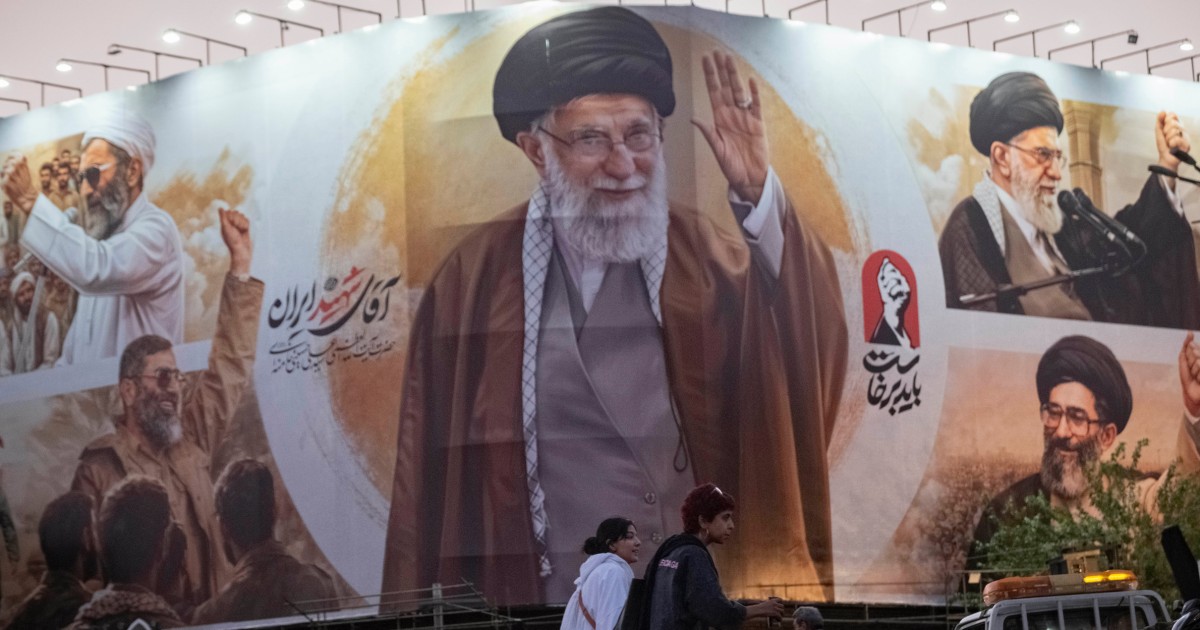
The memorandum of understanding, which had aimed to secure a 60-day period of reduced hostilities and facilitate talks regarding the future of the strait, has been severely undermined by these events. While the agreement sought to ensure the safe passage of commercial traffic, tensions intensified as Iran attempted to divert maritime transit toward its own coast, challenging the southern routes favored by the U.S. Navy and international shipping interests. Shipping traffic through the waterway declined mid-week, with data indicating the lowest levels recorded in recent days.
Current diplomatic efforts are primarily facilitated by Qatar. A Qatari delegation arrived in Mashhad to meet with Iranian officials, aiming to stabilize its role as a mediator and attempt to de-escalate the latest flare-up. An Iranian official and a Qatari official confirmed the presence of these mediators to journalists. Additionally, Iranian officials are expected to travel to Oman for further discussions regarding shipping lanes in territorial waters.
Despite these efforts, the outlook for a quick resolution remains uncertain. Iranian Parliament Speaker Mohammad Bagher Ghalibaf signaled that the nation would not succumb to external pressure, stating that Iran remained prepared for full-scale defense if the memorandum was abandoned by the United States. Conversely, the U.S. Treasury Department imposed new sanctions on Friday targeting an Iranian financier and a network of holding companies, citing continued threats to international shipping. The U.S. Government accuses these entities of diverting public wealth to benefit the Islamic Revolutionary Guard Corps and the Iranian leadership.
Market reactions reflect the ongoing volatility in the region. Energy markets are grappling with supply concerns as ship traffic remains disrupted. Energy prices have shown upward movement as the future of the maritime trade route remains in question. While Maersk announced it would resume Middle East-US East Coast services via the Suez Canal to avoid the Persian Gulf, the Suez route does not provide an exit for vessels currently trapped within the Gulf, which remain dependent on the Strait of Hormuz.
What to watch next
- Diplomatic Scheduling: While President Trump confirmed the U.S. Will continue to communicate, Iranian sources have publicly denied that any specific future negotiations have been finalized, with officials in Tehran emphasizing that any official updates would come through their established channels.
- Maritime Security: The Joint Maritime Information Center continues to categorize the security threat level in the strait as severe. Mariners are advised that while the southern route remains open, it is not formally protected, and traffic through the region is expected to remain intermittent.
How significant is this development?
Contribute your assessment to the aggregated reader sentiment ledger.
Frequently Asked Questions
Key questions answered in this reportWhat is the key development in: US and Iran hold indirect talks via Qatar to revive stalled ceasefire?
The United States has declared a previous ceasefire void following recent military strikes, yet continues indirect communications with Iran via Qatar. Qatari mediators are working to stabilize the situation as tensions surrounding the Strait of Hormuz persist.
Why is this World development significant for the UK?
This report covers critical events in our World beat. Independent reporting monitors related UK statements, regulatory shifts, and public responses as further verified details emerge.
How was this reporting corroborated and verified?
Newsarchy UK compiles and cross-references reporting from primary reporting from cbsnews.com and cross-checked wire reports. All coverage adheres to published editorial standards.
When was this report published?
This briefing was published on July 10, 2026 and is permanently cataloged in the Newsarchy UK World archives.