Who launched the latest airstrikes against Iran? Right now it's a mystery
Unclaimed airstrikes have struck across Iran, deepening regional uncertainty as Tehran responds with missile volleys against neighboring nations.
- Core Development: Unclaimed airstrikes have struck across Iran, deepening regional uncertainty as Tehran responds with missile volleys against neighboring nations.
- Beat Context: Categorized under World with independent corroboration.
- Reporting Depth: 3 minute analytical read synthesized from verified newsroom sources.
Unclaimed airstrikes struck across southern Iran on Thursday, deepening regional uncertainty as the Islamic Republic prepared to bury its late Supreme Leader, Ayatollah Ali Khamenei. The origin of these subsequent attacks remains a mystery, as no nation has stepped forward to claim responsibility for the strikes that followed the conclusion of a major U.S.-led operation.
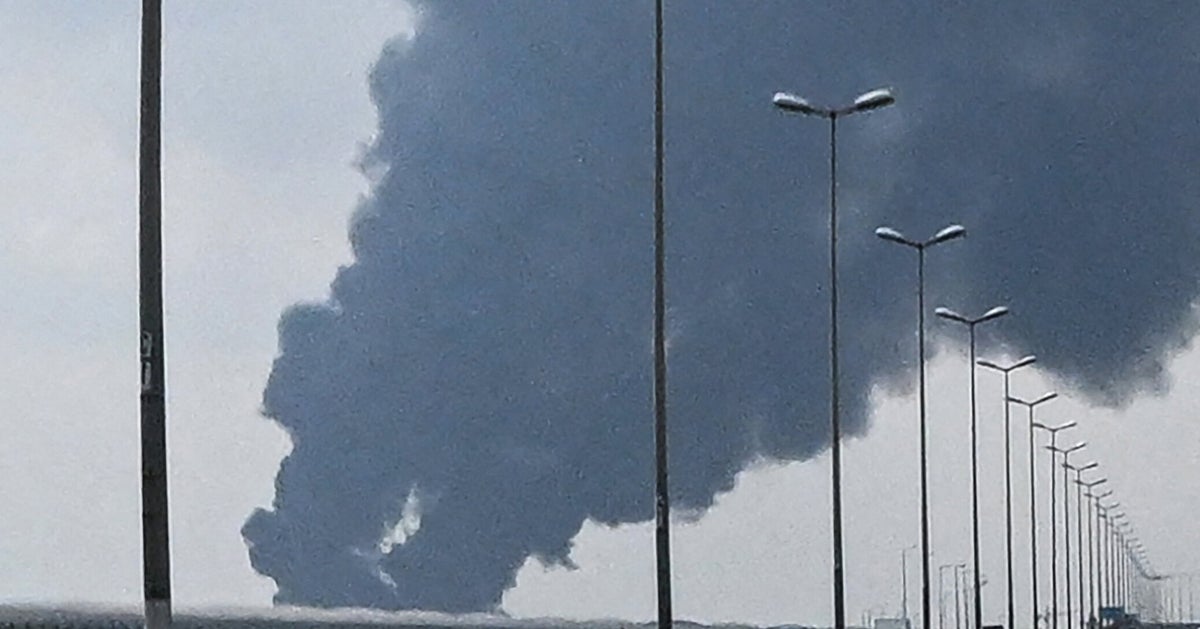
The U.S. Military’s Central Command stated on Thursday that it had concluded a round of strikes that hit 90 targets. Shortly after that, Iranian news outlets and state media reported a series of additional airstrikes and explosions targeting the country’s Bushehr and Sistan and Baluchestan provinces, the cities of Ahvaz and Chabahar, and other areas. Central Command did not respond to a request for comment about the additional strikes.
Media additions

Regional Tensions and Diplomatic Fallout
The exchange of strikes again tested a shaky ceasefire deal between Tehran and Washington. U.S. President Donald Trump reiterated on social media Friday that he views the interim deal as OVER!
However, he said the U.S. Would continue talks aimed at putting a permanent end to the war. U.S. Central Command spokesperson Capt. Tim Hawkins stated there were no operational updates
after Trump's pronouncement about the ceasefire.
In response to the strikes Thursday, Iran launched a wider volley of attacks across the Mideast, targeting Bahrain, Jordan, Kuwait and Qatar. Missile alert sirens sounded in the four countries, sending people to seek shelter. One person was reportedly hurt in Kuwait as air defense systems targeted the incoming fire across the region. The leader of the UAE, Sheikh Mohammed bin Zayed Al Nahyan, traveled to Kuwait immediately after the Iranian attack for a meeting with the small, oil-rich nation’s ruling emir. Gulf Arab countries also held calls with Qatar’s foreign minister. He has been deeply involved, along with Pakistan, in mediating talks between Iran and the U.S. Pakistani Prime Minister Shehbaz Sharif said he spoke separately Friday with Iranian President Masoud Pezeshkian and with Qatar's ruling emir, Sheikh Tamim bin Hamad Al Thani, and stressed to both the need for restraint and diplomacy.
Accusations and Maritime Volatility
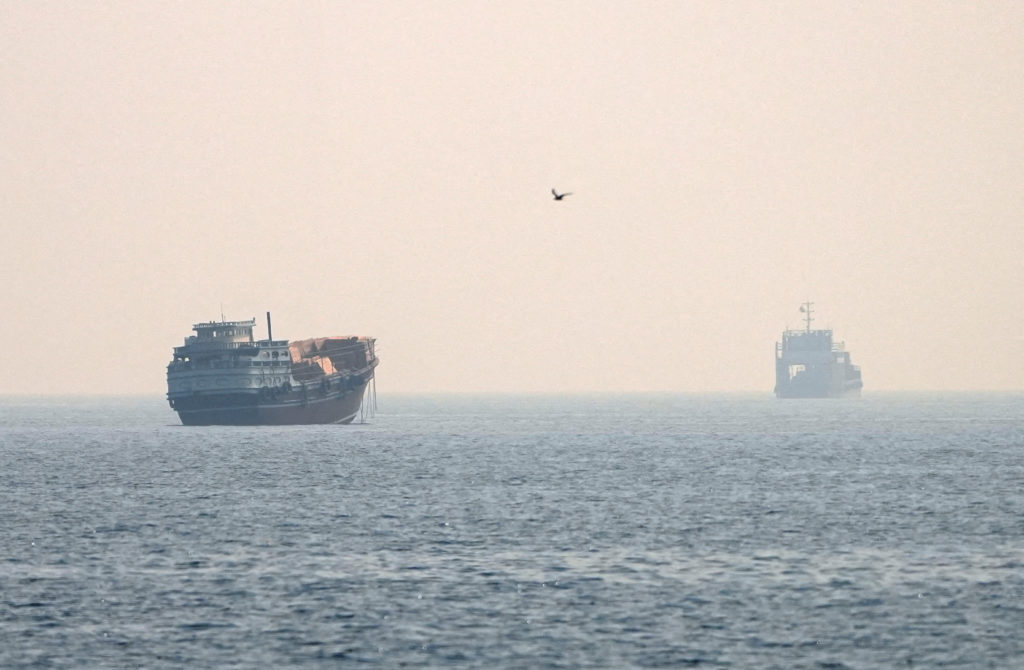
Meanwhile, Iran insists it must be the sole controller of the Strait of Hormuz. Twenty-two ships transited the strait Thursday, down from 30 Wednesday and 41 on Tuesday, according to data and analytics company Kpler.
The Joint Maritime Information Center, a multinational body overseen by the U.S. Navy, issued a new advisory Friday urging ships to travel that route. The advisory noted:
A similar message sparked an Iranian attack on Tuesday that saw three vessels hit."Notwithstanding recent unprovoked attacks on merchant vessels, mariners are reminded that the southern route of the (strait) has been expanded and remains available for all traffic,"
Joint Maritime Information Center, via Associated Press
Lingering Questions and Threats
On Friday, Iranian state media quoted Esmail Kousari, a member of the Iranian parliament’s national security committee and a former commander in the paramilitary Revolutionary Guard, as warning the UAE would
He accused the Emirates of having a"pay the price for its cooperation with the United States."
Esmail Kousari, member of the Iranian parliament, via Iranian state media
behind-the-scenesrole in the recent U.S. Attacks. During the Iran war, officials said both Saudi Arabia and the UAE launched airstrikes targeting Iran, after Tehran struck energy sites in their countries.
Israel, which under Prime Minister Benjamin Netanyahu has engaged in an intense campaign against Iran, has not attacked the Islamic Republic since June. Israel Katz, Israel’s defense minister, also renewed threats that his nation stood ready to confront Iran if needed.
Israel’s government said Netanyahu spoke with Trump on Thursday night, with Trump updating Netanyahu "on American moves in the Gulf.""If we will have to return, we will return with even greater force,"
Israel Katz, Israeli defense minister, via Associated Press
Meanwhile, Iran’s U.N. Envoy told reporters at the world body's headquarters that his country remains committed to implementing the agreement if the U.S. "fully and faithfully complies with its own obligations." And if not, "Iran will no longer be bound by its obligations" under the agreement, Ambassador Amir Saeid Iravani said.
How significant is this development?
Contribute your assessment to the aggregated reader sentiment ledger.
Frequently Asked Questions
Key questions answered in this reportWhat is the key development in: Who launched the latest airstrikes against Iran? Right now it's a mystery?
Unclaimed airstrikes have struck across Iran, deepening regional uncertainty as Tehran responds with missile volleys against neighboring nations.
Why is this World development significant for the UK?
This report covers critical events in our World beat. Independent reporting monitors related UK statements, regulatory shifts, and public responses as further verified details emerge.
How was this reporting corroborated and verified?
Newsarchy UK compiles and cross-references reporting from primary reporting from pbs.org and cross-checked wire reports. All coverage adheres to published editorial standards.
When was this report published?
This briefing was published on July 10, 2026 and is permanently cataloged in the Newsarchy UK World archives.


