U.S. launches new strikes and Trump threatens ‘massive attack’ as Iran widens war
The United States has launched a thirteenth consecutive night of strikes against Iranian targets as Tehran expands hostilities to the Red Sea. President Trump warned of a potential massive operation as global oil markets respond to the ongoing maritime instability.
- Core Development: The United States has launched a thirteenth consecutive night of strikes against Iranian targets as Tehran expands hostilities to the Red Sea. President Trump warned of a potential massive operation as global oil markets respond to the ongoing maritime instability.
- Beat Context: Categorized under World with independent corroboration.
- Reporting Depth: 3 minute analytical read synthesized from verified newsroom sources.
Overnight the United States carried out a thirteenth consecutive night of air strikes against Iranian targets, while President Donald Trump signalled that a “massive attack” on Tehran could be on the horizon. The escalation comes as Iran opens a second front in the Red Sea, threatening global oil flows and prompting urgent warnings from regional partners.
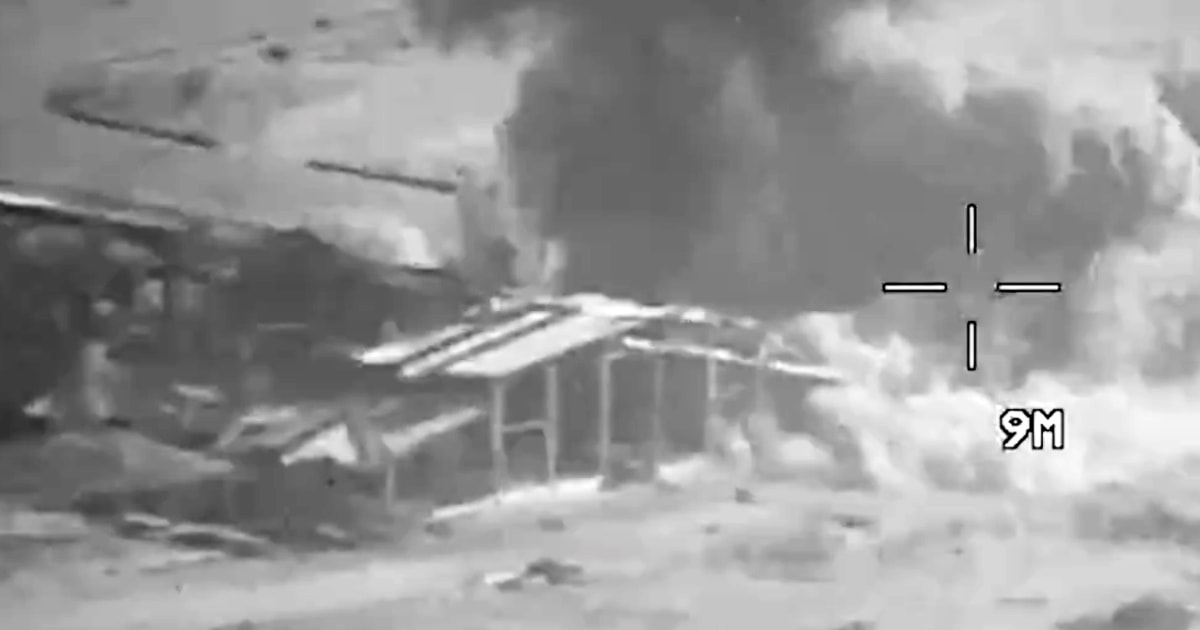
Trump’s warning, conveyed to Axios on Thursday, described a potential operation “bigger than ever before.” Hours later, U.S. Central Command confirmed the latest barrage hit Iranian command centres, drone storage sites, communication networks, coastal surveillance points and maritime capabilities. The strikes aimed to “diminish the threat Iran poses to civilian mariners and commercial vessels transiting the Strait of Hormuz,” according to the official CENTCOM statement.
Media additions
Iran’s response was swift. State‑run IRNA reported four deaths and five injuries in the Ahvaz region following the U.S. Attack. Simultaneously, Tehran launched fresh missiles at U.S. Bases in Kuwait, triggered sirens in Bahrain, and was blamed for explosions near a U.S.‑hosted base in northern Iraq. The widening of hostilities now includes Houthi‑linked attacks on Saudi tankers in the Red Sea, a development Trump framed as Iran‑backed proxy aggression.
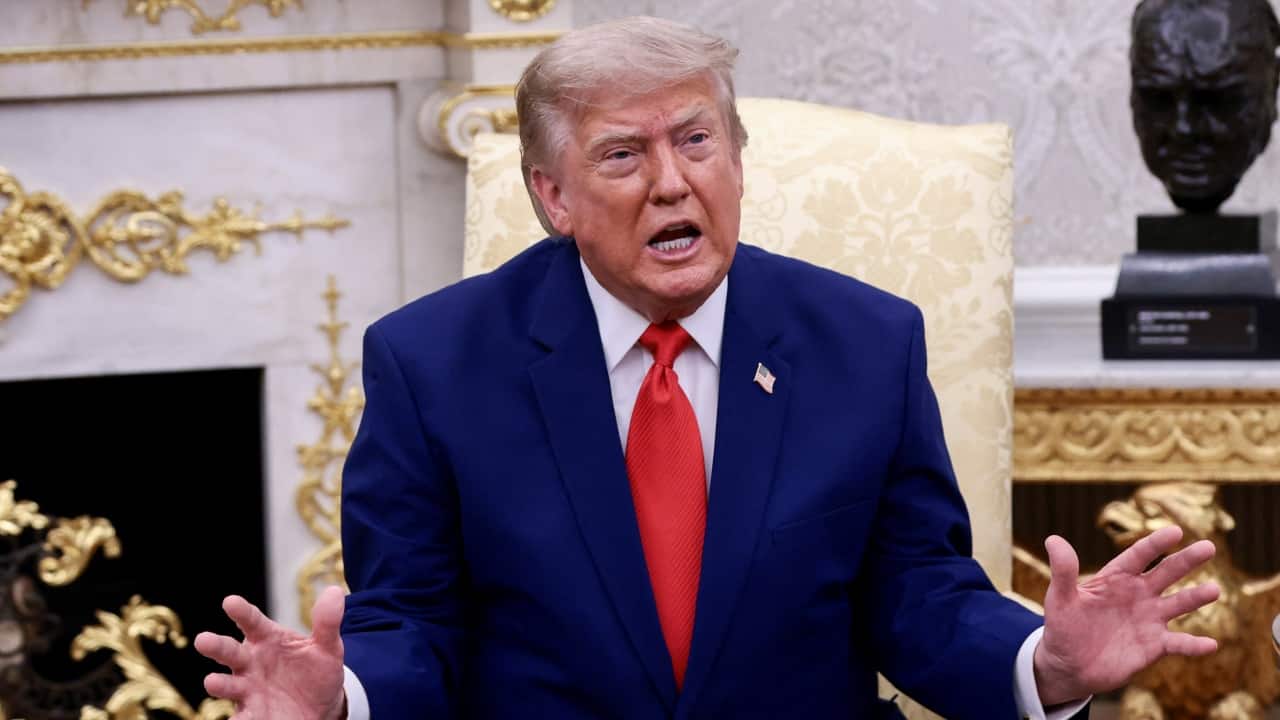
“If they do this again, the U.S. Will hold Iran responsible, in that the Houthis are a surrogate and/or proxy of Iran,” Trump wrote on Truth Social. He added that Washington would tap Iranian assets held in the United States to cover any damages to ships or cargo. Iran’s foreign minister Abbas Araghchi called the move “an incendiary precedent,” warning that “once governments normalize confiscation, no one’s assets are safe.”
What the strikes targeted
- Iranian military command centres
- Drone storage facilities
- Communications networks
- Coastal surveillance sites
- Maritime capabilities linked to the Hormuz corridor
Key developments in the past week
| Date | Event |
|---|---|
| Thursday | Trump tells Axios he is weighing a “massive attack” on Iran. |
| Thursday night | CENTCOM reports 13th straight night of U.S. Strikes on Iranian targets. |
| Thursday | Iran launches missile attacks on U.S. Bases in Kuwait; sirens sound in Bahrain. |
| Thursday | Houthi rebels strike two Saudi oil tankers in the Red Sea. |
| Friday morning | Brent crude hovers around $97 a barrel after briefly topping $100. |
| Friday | Iranian foreign minister Araghchi condemns U.S. Asset‑seizure threat. |
The diplomatic ripple is evident. Senior Arab officials, speaking on condition of anonymity, expressed frustration with the “daily escalations” and “lack of diplomatic progress.” One official admitted, “We have no clue where this is going,” while another described the situation as “only getting crazier.”
Commercial traffic through the strategic chokepoints reflects the tension. MarineTraffic data, analysed by NBC News, showed eight tankers moving north through the Bab el‑Mandeb Strait on Thursday, while fourteen headed south into the Gulf of Aden. In the Strait of Hormuz, the New Giant tanker was the sole vessel to fully transit that day, bound for Rizhao, China. Analysts note that some vessels may have disabled transmitters, meaning actual traffic could be higher.
Brent crude topped the $100 a barrel mark for the first time since May, before slipping back to the $90s. The price movement underscored how quickly the conflict can affect global energy supplies, especially as both the Hormuz and Red Sea routes face blockades.
On the diplomatic front, Iraqi Prime Minister Ali al‑Zaidi made his first official visit to Tehran since assuming office, a move that highlights Iraq’s delicate balancing act between Washington and Tehran. Trump, however, maintained that Iran “does want to negotiate” but “is not prepared to make a deal yet,” signalling a willingness to continue pressure while leaving a door open for talks.
The convergence of U.S. Kinetic strikes, Iranian proxy activity, and regional diplomatic fatigue marks a volatile moment in a conflict that now straddles two of the world’s most crucial maritime arteries.
How significant is this development?
Contribute your assessment to the aggregated reader sentiment ledger.
Frequently Asked Questions
Key questions answered in this reportWhat is the key development in: U.S. launches new strikes and Trump threatens ‘massive attack’ as Iran widens war?
The United States has launched a thirteenth consecutive night of strikes against Iranian targets as Tehran expands hostilities to the Red Sea. President Trump warned of a potential massive operation as global oil markets respond to the ongoing maritime instability.
Why is this World development significant for the UK?
This report covers critical events in our World beat. Independent reporting monitors related UK statements, regulatory shifts, and public responses as further verified details emerge.
How was this reporting corroborated and verified?
Newsarchy UK compiles and cross-references reporting from primary reporting from nbcnews.com and cross-checked wire reports. All coverage adheres to published editorial standards.
When was this report published?
This briefing was published on July 24, 2026 and is permanently cataloged in the Newsarchy UK World archives.