US launches second day of strikes on Iran as regional tensions escalate
US forces have expanded military operations against Iran, hitting naval and air defense infrastructure after President Trump declared the ceasefire void. In retaliation, the Islamic Revolutionary Guard Corps targeted American bases in Kuwait and Bahrain.
- Core Development: US forces have expanded military operations against Iran, hitting naval and air defense infrastructure after President Trump declared the ceasefire void. In retaliation, the Islamic Revolutionary Guard Corps targeted American bases in Kuwait and Bahrain.
- Beat Context: Categorized under World with independent corroboration.
- Reporting Depth: 3 minute analytical read synthesized from verified newsroom sources.
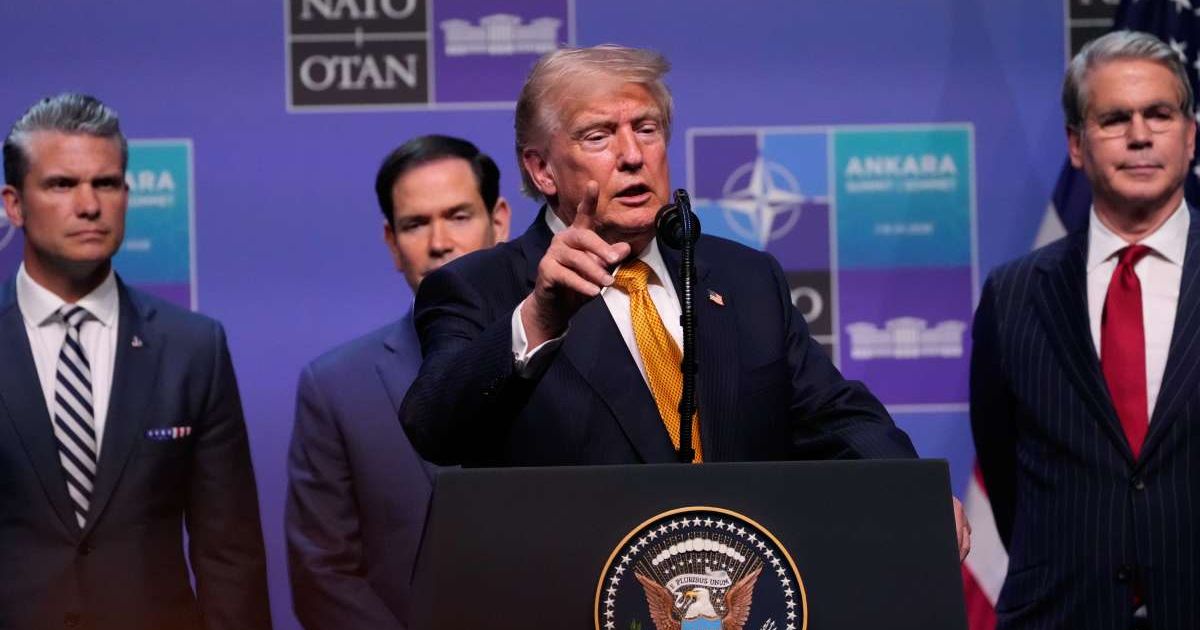
Regional volatility reached a new peak, as the United States concluded a second consecutive day of military operations against Iranian targets. The escalation follows the collapse of a ceasefire agreement. United States President Donald Trump confirmed the status of the ceasefire during a NATO summit in Ankara, Turkey, declaring the agreement to be over and dismissing the prospect of further diplomatic engagement as a waste of time. He characterized the ongoing conflict as a campaign for the de-nuking
of Iran rather than a traditional war.
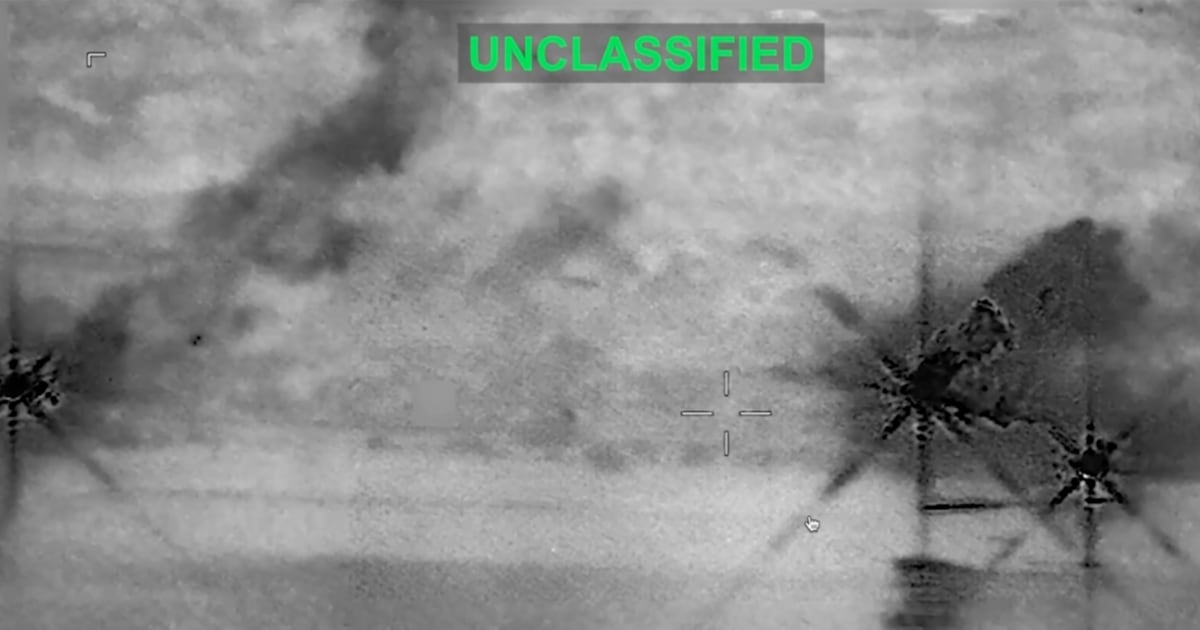
According to U.S. Central Command, American forces completed an additional round of strikes, hitting approximately 90 military installations. The targets included air defense systems, coastal surveillance assets, naval infrastructure, and drone and missile storage facilities along the Iranian coastline. These actions were described by the White House as retribution for Iranian attacks on commercial vessels navigating the Strait of Hormuz. U.S. Officials indicated that the strikes were intended to degrade Iran’s capacity to threaten maritime navigation and international shipping lanes. In conjunction with these operations, the U.S. Government has considered reimposing a blockade on ships headed to Iranian ports.
Media additions

In response, the Islamic Revolutionary Guard Corps reported that it launched strikes against U.S. Military installations in Kuwait and Bahrain. Specifically, the Guard identified the targeted facilities as Arifjan and Ali Al Salem in Kuwait, and Juffair and Sheikh Isa in Bahrain. Iranian officials warned that if U.S. Aggression persists, the scope of their military responses would expand to include additional American bases throughout the region. Reports from Iranian state media indicated explosions in multiple southern cities, including Bandar Abbas, Sirik, and Chabahar. Furthermore, authorities in Bahrain activated sirens in the early hours of Thursday, urging residents to seek safety.
The conflict has exacerbated geopolitical tensions within NATO. President Trump used the summit to demand greater financial contributions from allies and announced that the U.S. Would license the manufacturing of Patriot air defense systems to Ukraine to bolster its airspace defenses. Simultaneously, the President engaged in a public dispute regarding the Danish territory of Greenland, reiterating his position that the territory should be under U.S. Control for security purposes, a claim rejected by Danish Prime Minister Mette Frederiksen, who insisted that Greenland is not for sale.
Despite the escalation, President Trump remained firm on his military objectives. Iranian officials, including Foreign Minister Abbas Araghchi, maintained that the nation would respond to what they described as American vulgarity
and aggression with valor rather than similar rhetoric. Earlier in the summit, the U.S. President referred to Iranian leadership using derogatory language, further straining the relationship between the two nations.
As of early Thursday, military posture remains elevated. U.S. Central Command has stated that it reserves the right to execute further strikes if threats to maritime security persist. The region continues to monitor the status of U.S. Forces in Kuwait and Bahrain, which remain at high alert following the retaliatory strikes. While the U.S. President has suggested that the conflict could end quickly, Iranian military leadership continues to warn of further punitive responses.
How significant is this development?
Contribute your assessment to the aggregated reader sentiment ledger.
Frequently Asked Questions
Key questions answered in this reportWhat is the key development in: US launches second day of strikes on Iran as regional tensions escalate?
US forces have expanded military operations against Iran, hitting naval and air defense infrastructure after President Trump declared the ceasefire void. In retaliation, the Islamic Revolutionary Guard Corps targeted American bases in Kuwait and Bahrain.
Why is this World development significant for the UK?
This report covers critical events in our World beat. Independent reporting monitors related UK statements, regulatory shifts, and public responses as further verified details emerge.
How was this reporting corroborated and verified?
Newsarchy UK compiles and cross-references reporting from primary reporting from nbcnews.com and cross-checked wire reports. All coverage adheres to published editorial standards.
When was this report published?
This briefing was published on July 9, 2026 and is permanently cataloged in the Newsarchy UK World archives.


