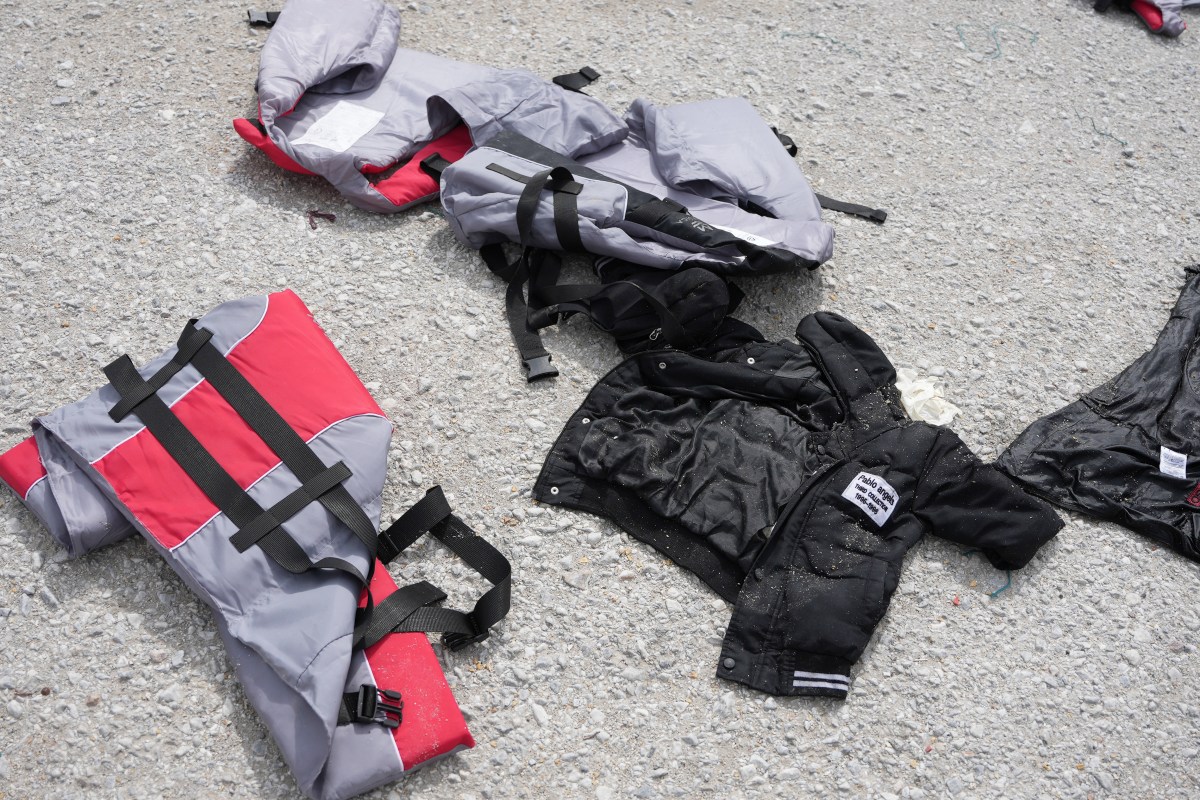
US military launches second round of strikes against targets in Iran
U.S. forces have launched a second consecutive night of strikes against Iranian targets to degrade threats to maritime navigation in the Strait of Hormuz. This escalation follows the formal collapse of a ceasefire and has triggered a surge in global oil prices.
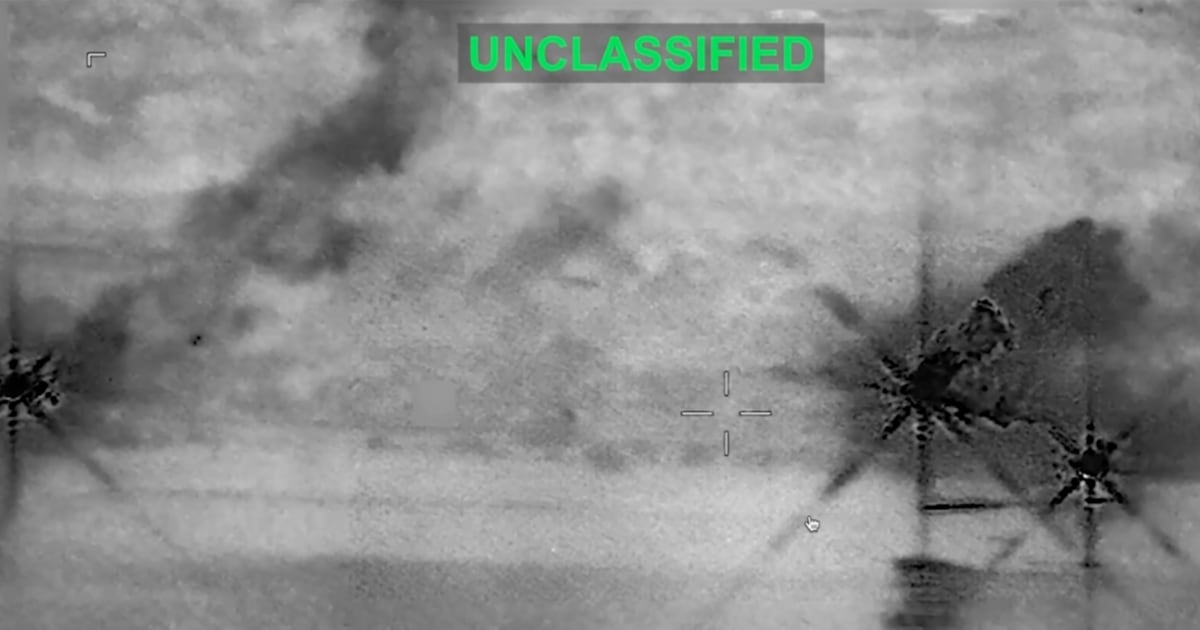
- Core Development: U.S. forces have launched a second consecutive night of strikes against Iranian targets to degrade threats to maritime navigation in the Strait of Hormuz. This escalation follows the formal collapse of a ceasefire and has triggered a surge in global oil prices.
- Beat Context: Categorized under World with independent corroboration.
- Reporting Depth: 3 minute analytical read synthesized from verified newsroom sources.
The United States military has launched a second consecutive night of strikes against targets within Iran, a move that follows the collapse of a months-long ceasefire and a new wave of regional hostilities. According to the U.S. Central Command, these operations were initiated to further degrade Iran’s capacity to threaten maritime navigation in the Strait of Hormuz. The escalation marks a definitive pivot in the conflict, with President Donald Trump declaring at a NATO summit in Ankara, Turkey, that the ceasefire agreement is over
.
The renewed military activity follows Iranian attacks on three commercial vessels in the Strait of Hormuz. In response, U.S. Forces have targeted coastal defense sites, radar and surveillance infrastructure, and underground facilities used for drone and missile storage. Defense Secretary Pete Hegseth noted that the campaign also targeted small vessels involved in the harassment of merchant shipping. While the U.S. Has maintained a consistent focus on the waterway, Iranian state media reported explosions in the cities of Bandar Abbas, Sirik, Chabahar, and Konarak. Additionally, explosions were reported in Bushehr, a city that hosts Iran’s only commercial nuclear power plant and sits near the Kharg Island oil export hub.
Media additions
The human toll of the conflict has grown, with regional officials reporting casualties. A deputy governor in Khuzestan province confirmed that at least one person was killed and two others were injured in recent U.S. Strikes. State-run outlets in Iran claimed that eight members of the Iranian armed forces, drawn from the air force and navy, were killed in the coastal regions of Bandar Abbas and Bushehr.
Regional Escalation and Diplomatic Fallout
On Wednesday, Kuwait's armed forces reported the detection of two ballistic missiles and 13 hostile
drones. In response to the regional unrest, Egypt, Qatar, Jordan, Kuwait, and Oman have issued statements condemning the attacks on Gulf states, characterizing them as a violation of sovereignty.
Officials in Tehran maintain that the agreement returned control of the Strait of Hormuz to Iran, a position explicitly rejected by Washington. Iranian military command warned that any entity providing support to the U.S. Military would be considered a legitimate target
.
Meanwhile, Iranian leadership continues to conduct funeral processions for the late supreme leader, Ayatollah Ali Khamenei, who was killed in February 2026. Massive crowds gathered in the Iraqi cities of Najaf and Karbala on Wednesday for services before the remains are returned to Iran for burial.
Market and Strategic Implications
Global markets reacted sharply to the news, with U.S. Crude oil prices surging more than 6% to $75 per barrel, while international benchmark Brent rose 6.2% to almost $79 per barrel. President Trump dismissed concerns over oil prices, citing an oil glut
and characterizing the current military campaign as a tremendous success
that has largely dismantled Iran's conventional air and naval forces.
The diplomatic atmosphere at the NATO summit in Ankara has been tense. President Trump utilized the platform to reiterate threats against Iran and to criticize European allies for their perceived lack of cooperation. The President further signaled that the U.S. Might reinstate a naval blockade on Iranian ports.
The U.S. Military presence in the region remains on high alert. With President Trump stating that he is not sure I want to make a deal
at this time, the trajectory of the conflict appears set for a continued military engagement rather than a return to the negotiating table.
How significant is this development?
Contribute your assessment to the aggregated reader sentiment ledger.
Frequently Asked Questions
Key questions answered in this reportWhat is the key development in: US military launches second round of strikes against targets in Iran?
U.S. forces have launched a second consecutive night of strikes against Iranian targets to degrade threats to maritime navigation in the Strait of Hormuz. This escalation follows the formal collapse of a ceasefire and has triggered a surge in global oil prices.
Why is this World development significant for the UK?
This report covers critical events in our World beat. Independent reporting monitors related UK statements, regulatory shifts, and public responses as further verified details emerge.
How was this reporting corroborated and verified?
Newsarchy UK compiles and cross-references reporting from primary reporting from nbcnews.com and cross-checked wire reports. All coverage adheres to published editorial standards.
When was this report published?
This briefing was published on July 8, 2026 and is permanently cataloged in the Newsarchy UK World archives.