US pauses Iran strikes amid concerns over depleted missile stockpiles
EXECUTIVE BRIEFKey Takeaways & Signal
Core Development: The United States has abruptly paused its airstrikes on Iran amid rising Pentagon concerns over depleted missile reserves and long production lags.
Beat Context: Categorized under World with independent corroboration.
The United States has abruptly suspended its aerial strikes on Iran, a move that coincides with escalating worries inside the Pentagon that its missile reserves are being exhausted faster than new production can replenish them. The pause, announced after a tenuous cease‑fire that took effect in early April, is intended to create space for diplomatic talks while senior officials scramble to address “critical shortfalls” in long‑range and air‑defence munitions.
President Donald Trump publicly rejected the notion of a shortfall on Monday, insisting the United States “has far more munitions than anyone in the world, and far more than we need.”
"We have far more munitions than anyone in the world, and far more than we need."
Media additions
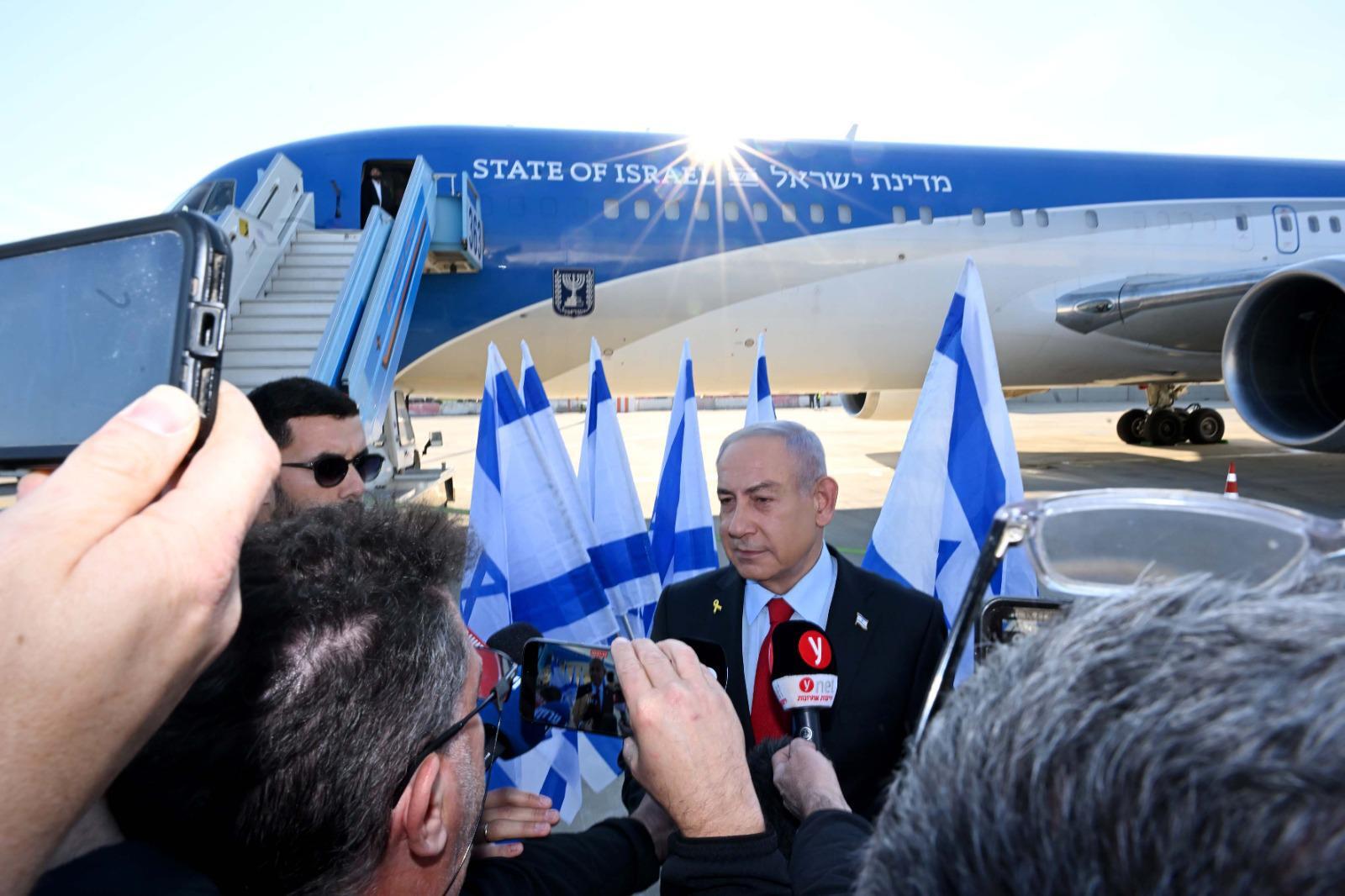
Image via foxnews.comImage via jewishinsider.com
Donald Trump, President, via Wall Street Journal
Yet a week earlier, the Pentagon’s own “Secretary of War” Pete Hegseth told the Senate Appropriations Committee that an additional $87 bn was required to cover “critical shortfalls,” a stark contrast to his earlier denial that supplies were thinning out.
According to the White House, U.S. Forces struck more than 13,000 Iranian targets during the 40‑day “Operation Epic Fury” that began in early 2026, while intercepting over 1,700 Iranian drones and ballistic missiles. The campaign, which has cost $37.5 bn, relied heavily on two missile families: the Tomahawk Land Attack Missile (TLAM) and the Patriot air‑defence interceptor.
Data compiled by the Center for Strategic and International Studies (CSIS) paints a sobering picture. CSIS estimates that more than 1,000 TLAMs have been fired, and the stockpile may not return to pre‑war levels until 2031. The Patriot system saw roughly 1,430 interceptors launched from an estimated pre‑war inventory of about 2,330, while the newer THAAD batteries expended between 190 and 290 missiles out of an original stock of 360. It takes several years to produce a missile. If you put money into the system today, you wouldn't get a missile for three or four years. Sometimes even five, explains retired Marine Corps Colonel Mark Cancian, senior adviser at CSIS.
"It takes several years to produce a missile. If you put money into the system today, you wouldn't get a missile for three or four years. Sometimes even five."
Mark Cancian, senior adviser, CSIS, via Yahoo News
The depletion of these high‑cost interceptors—each Patriot costing about $4 m and each TLAM roughly $2.6 m—has forced Washington to weigh the trade‑off between continuing pressure on Tehran and preserving a strategic reserve for other theatres, such as the East Asian “Davidson window” that analysts warn could open if China moves against Taiwan.
Contrasting perspectives on the pause
Trump framed the pause as a tactical pause to “allow negotiations to go ahead,” a narrative echoed by a New York Times report cited in the Yahoo piece that suggested escalating the conflict would further drain American stockpiles.
Fox News captured the president’s more combative stance at a General Motors event in Milford, Michigan, where he asserted, “We’re making this country safe because we’re not going to let lunatics have a nuclear weapon.”
"We're making this country safe because we're not going to let lunatics have a nuclear weapon."
Donald Trump, President, via Fox News
He added that the United States was “winning big time” against the Islamic Republic, a sentiment that contrasts sharply with the Pentagon’s private admission of “window of vulnerability.”
From a policy viewpoint, Jacob Olidort, director for American security policy at the America First Policy Institute, argues that the sheer volume of weapons used sends a deterrent signal to adversaries beyond Iran. “Weapons create deterrence, not merely because nations have them, but also because they demonstrate a willingness to use them,” he told Yahoo News.
Ukrainian officials, meanwhile, have warned that the same shortfalls threaten their own defence against Russian missile and drone attacks. Ukrainian President Volodymyr Zelensky, quoted in the same Yahoo article, noted that the United States produces roughly 60 to 65 missiles a month, a rate that fell short of the 803 used on the first day of “Operation Epic Fury.”
Timeline of key developments
April 8 – Cease‑fire takes effect after 40 days of intensive combat.
July 27 – Trump reiterates “winning big” stance at a Michigan event.
Missile stockpile snapshot
Missile type
Used in conflict
Pre‑war stockpile
Estimated return to pre‑war level
READER INTELLIGENCE PULSE
How significant is this development?
Contribute your assessment to the aggregated reader sentiment ledger.
Click an option to register your anonymous assessment.
Frequently Asked Questions
Key questions answered in this report
What is the key development in: US pauses Iran strikes amid concerns over depleted missile stockpiles?
The United States has abruptly paused its airstrikes on Iran amid rising Pentagon concerns over depleted missile reserves and long production lags.
Why is this World development significant for the UK?
This report covers critical events in our World beat. Independent reporting monitors related UK statements, regulatory shifts, and public responses as further verified details emerge.
How was this reporting corroborated and verified?
Newsarchy UK compiles and cross-references reporting from primary reporting from yahoo.com and cross-checked wire reports. All coverage adheres to published editorial standards.
When was this report published?
This briefing was published on July 28, 2026 and is permanently cataloged in the Newsarchy UK World archives.