US State Department urges citizens to consider leaving Middle East
The State Department has issued an urgent directive for US citizens to consider leaving the Middle East immediately as regional hostilities intensify and airspace disruptions loom.
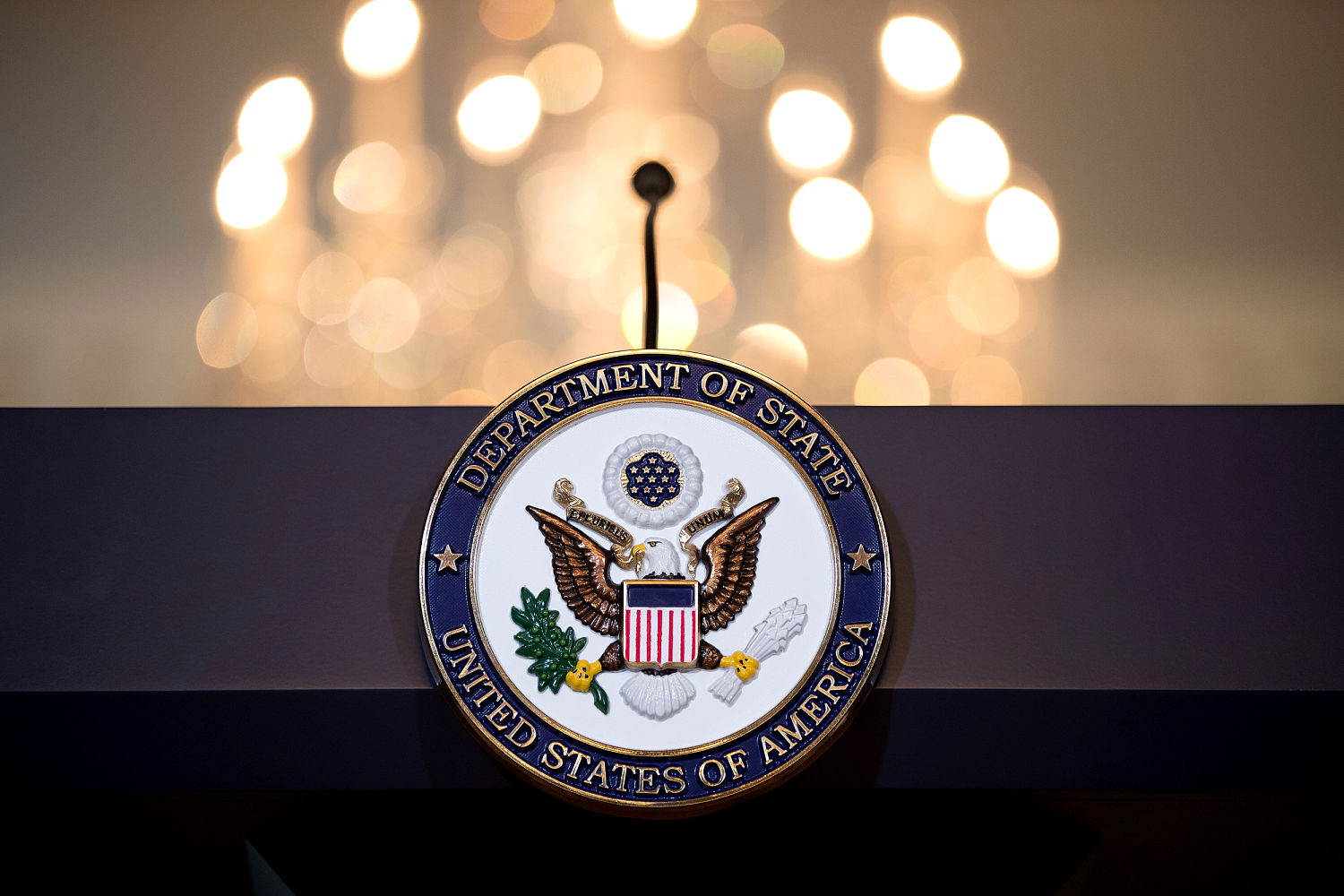
- Core Development: The State Department has issued an urgent directive for US citizens to consider leaving the Middle East immediately as regional hostilities intensify and airspace disruptions loom.
- Beat Context: Categorized under World with independent corroboration.
- Reporting Depth: 3 minute analytical read synthesized from verified newsroom sources.
The United States government has issued an urgent security advisory instructing citizens across the Middle East to consider leaving the region immediately or prepare to depart on short notice. Reporting from Aol and Yahoo News indicates that the State Department directive was distributed through American embassies across several nations, marking an escalation in official warnings as regional hostilities intensify.
According to Sg, the warning explicitly cautions that US diplomatic facilities, including outside the Middle East, have been targeted. Tehran has previously warned that any regional state co-operating with Washington would be engulfed by the flames of war. The advisories span ten countries, affecting American nationals in the United Arab Emirates, Bahrain, Iraq, Israel, Jordan, Kuwait, Lebanon, Oman, Qatar, and Saudi Arabia.
Media additions
Conflict Background and Military Actions
The broader military campaign began when the US and Israel began launching their strikes against Iran on 28 February. The confrontation has persisted through months of heavy fighting, contributing to ongoing world tensions and disruptions to international shipping and oil routes. The protracted conflict has led to soaring oil prices globally and rising gas prices in the U.S.
Recent days saw the conflict expand following attempted ballistic missile attacks on American forces. In response, the US military executed a heavy wave of strikes against dozens of targets belonging to Iran's Islamic Revolutionary Guard Corps. US Central Command stated the retaliation targeted sites linked to attacks on US bases in Jordan and shipping lanes in the Strait of Hormuz. Iranian state media reported casualties from these operations, including a young child.
On the ground, regional defenses have been activated. The Kuwait Army confirmed that its air defense systems intercepted hostile drone attacks originating from Iranian aggression, leading to explosions heard across the area.
Diplomatic Shifts and Potential Deals
Despite the ongoing exchange of strikes, President Donald Trump announced that the United States had agreed to pause attacks on Iran amid the perimeters of a potential deal. Writing on social media, the president stated that Iran and other Middle Eastern countries requested a hold on operations following agreement on foundational terms.
Trump noted that the arrangement would involve the complete opening of the Strait of Hormuz and an end to Iran's nuclear threat. He emphasized that Israel joined the US in this commitment, though previous diplomatic efforts—such as a memorandum of understanding in June and a brief ceasefire that collapsed in July—demonstrated the fragility of ceasefries in the protracted conflict.
Advisory Details and Travel Disruptions
The latest State Department bulletin goes further than previous notices issued earlier this month, explicitly advising citizens to prepare for flight cancellations, periodic airspace closures, and travel disruptions. Airlines in the region have adjusted schedules, with some postponing resumptions or cancelling specific routes entirely.
- Immediate Action Urged: Americans in the Middle East should evaluate departure options.
- Travel Restrictions: Citizens outside the region are advised to seriously reconsider travel to or through the area.
- Operational Risks: Potential for sudden airspace closures and flight cancellations remains high.
As diplomatic channels attempt to navigate a framework for reopening maritime routes and halting hostilities, travelers and residents in the affected nations remain on high alert. The State Department bulletin reflects Washington's growing concern that the conflict could widen further across the region.
How significant is this development?
Contribute your assessment to the aggregated reader sentiment ledger.
Frequently Asked Questions
Key questions answered in this reportWhat is the key development in: US State Department urges citizens to consider leaving Middle East?
The State Department has issued an urgent directive for US citizens to consider leaving the Middle East immediately as regional hostilities intensify and airspace disruptions loom.
Why is this World development significant for the UK?
This report covers critical events in our World beat. Independent reporting monitors related UK statements, regulatory shifts, and public responses as further verified details emerge.
How was this reporting corroborated and verified?
Newsarchy UK compiles and cross-references reporting from primary reporting from aol.com and cross-checked wire reports. All coverage adheres to published editorial standards.
When was this report published?
This briefing was published on August 2, 2026 and is permanently cataloged in the Newsarchy UK World archives.