US to tighten visa regulations for foreign students, journalists
The administration is implementing a sweeping regulatory overhaul that limits visa durations for international students, exchange visitors, and journalists.
- Core Development: The administration is implementing a sweeping regulatory overhaul that limits visa durations for international students, exchange visitors, and journalists.
- Beat Context: Categorized under World with independent corroboration.
- Reporting Depth: 3 minute analytical read synthesized from verified newsroom sources.
The United States government has finalized a sweeping regulatory overhaul that terminates the long-standing "duration of status" system for international students, cultural exchange participants, and foreign journalists. The new Department of Homeland Security (DHS) rule, announced Thursday, 16 July 2026, replaces the previous framework—which permitted visa holders to remain in the country for the entirety of their academic programs or professional assignments—with fixed terms of admission.
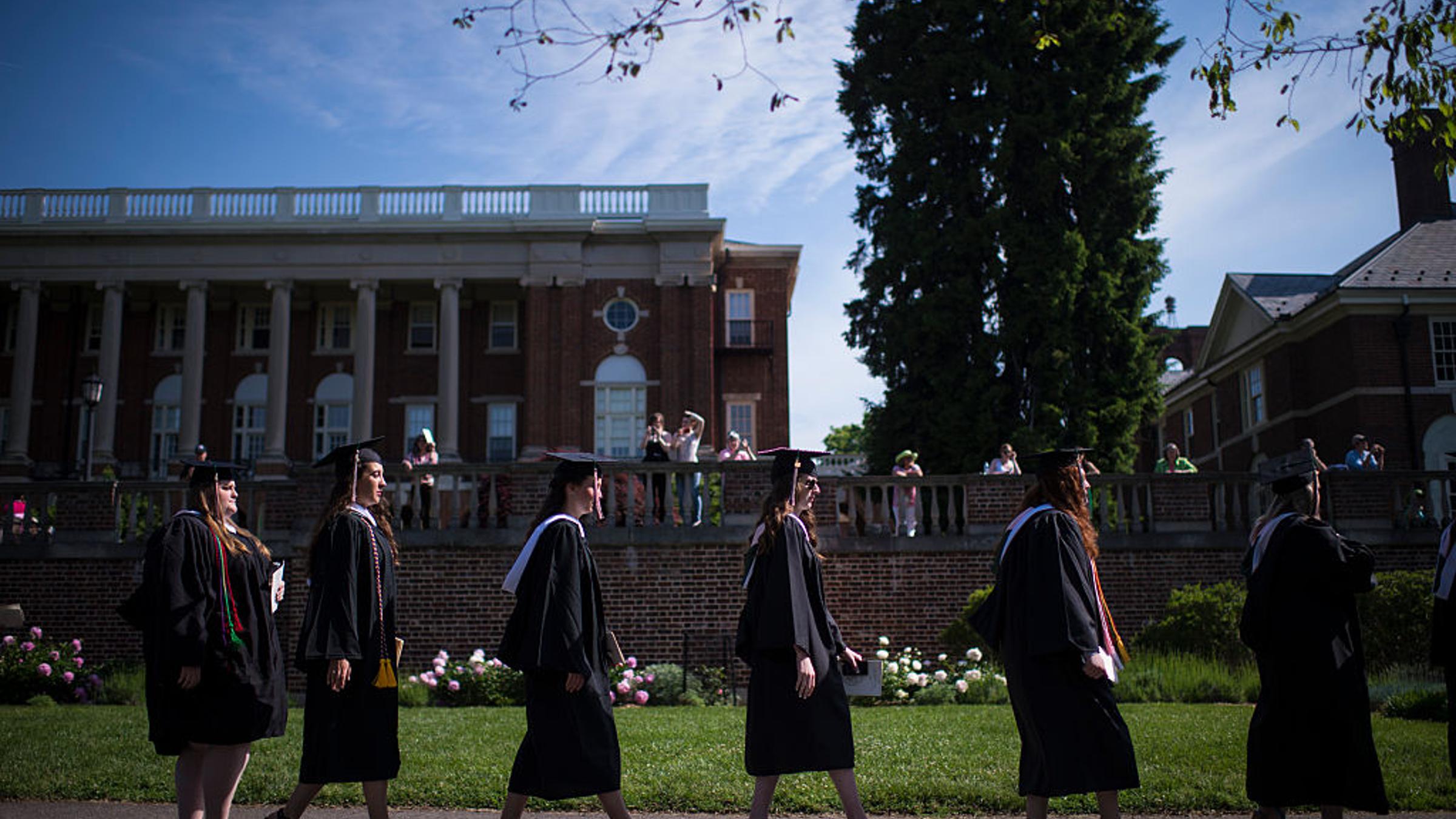
Under the new policy, which is slated to take effect 60 days after its publication in the Federal Register pending congressional review, F-visa international students and J-visa exchange visitors will generally be limited to a maximum stay of four years. Foreign journalists holding I-visas will face more stringent restrictions, with their authorized stay capped at 240 days, though Chinese nationals in this category will be limited to 90-day periods. These changes mark a significant escalation in the Trump administration's broader immigration crackdown, which has intensified since the president returned to office in January 2025.
Media additions
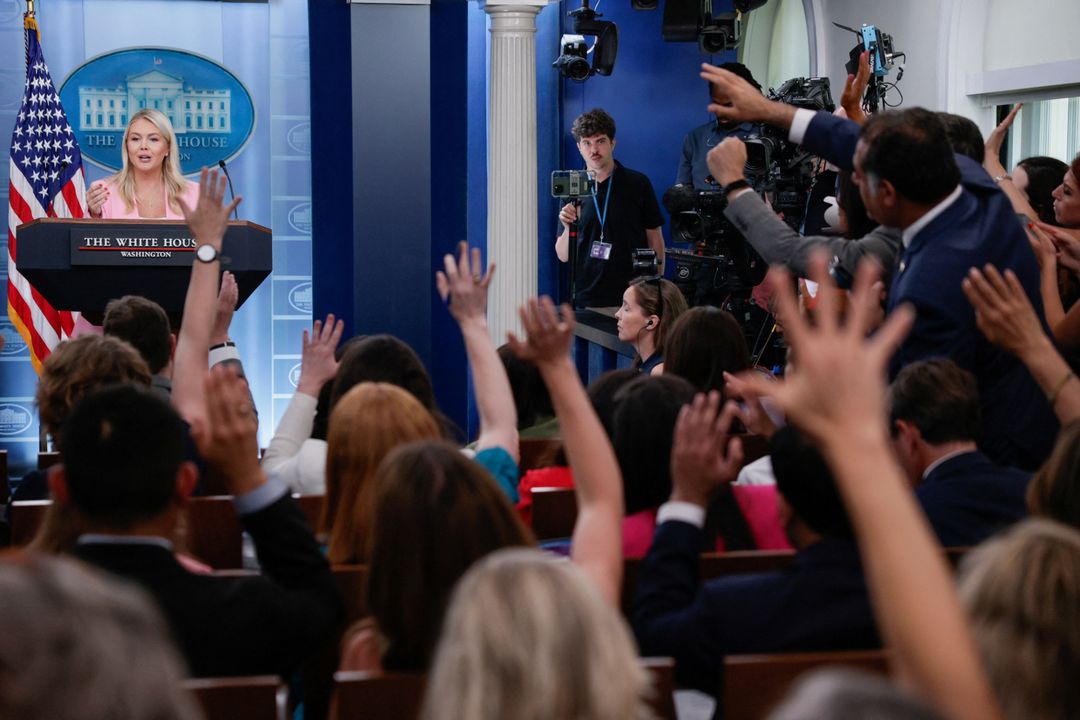

The administration characterized the move as a necessary security measure to prevent visa fraud and improve federal oversight. DHS Secretary Markwayne Mullin argued that the prior system allowed individuals to remain in the country indefinitely by repeatedly enrolling in courses.
"This final rule ensures that foreign students remain focused on their primary purpose: completing their studies and returning home."
Markwayne Mullin, DHS Secretary
The department cited internal records identifying thousands of individuals who had maintained student status for years by transferring between programs. Official data noted that there were more than 1.8 million student visa admissions in 2024, representing an increase of more than 11% over the previous year. In addition, the US admitted over 500,000 exchange visitors and 37,300 foreign media workers during the 2024 fiscal year. DHS stated that identifying more than 2,100 people who entered between 2000 and 2010 and remained in student status as of April 2026 highlighted the need for stricter oversight.
The regulations impose new administrative burdens on those seeking to stay beyond the newly established timeframes. Visa holders must now apply to the Department of Homeland Security for an extension or depart the country to seek readmission. Additionally, the rule halves the post-completion grace period for students, reducing the Time they have to depart or transfer from 60 days to 30 days. It also prohibits graduate students from changing their "educational objectives" or transferring institutions without explicit authorization.
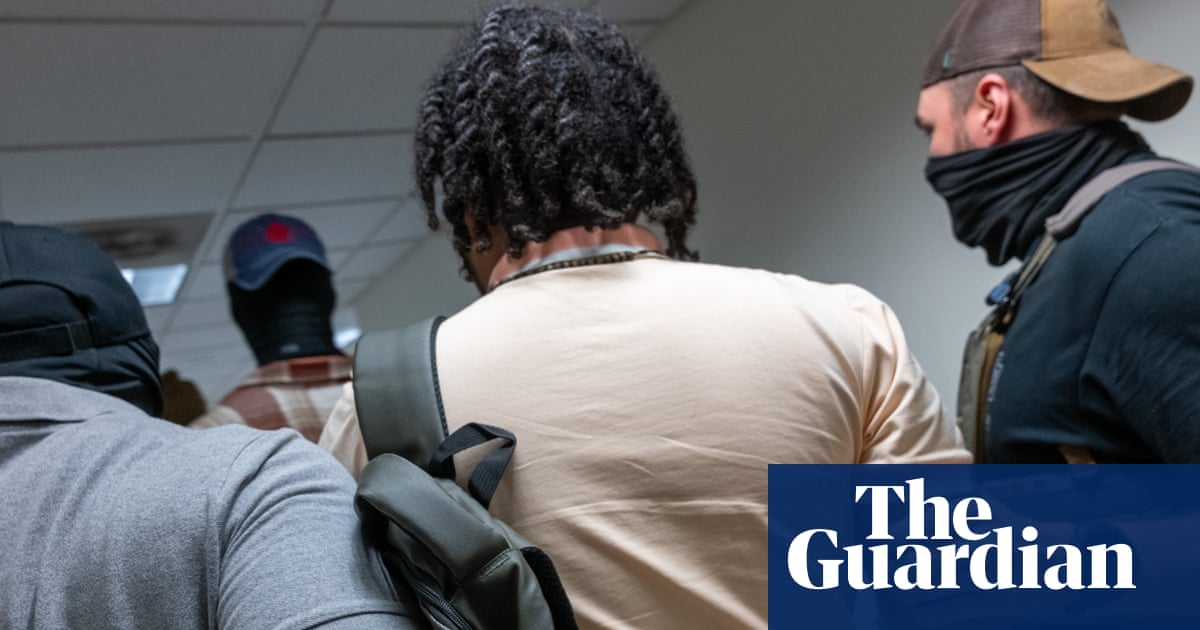
Media rights organizations and academic stakeholders have expressed concern regarding the impact of these changes. Reporters Without Borders (RSF) stated that the limitations would destroy the ability of international journalists to report from within the United States.
"This change destroys international journalists' ability to report from the US and makes it extremely difficult for international outlets to operate here at all."
Ben Grazda, RSF North America advocacy manager
The Committee to Protect Journalists characterized the move as "the behavior of a backsliding democracy." David J. Bier, immigration studies director at the Cato Institute, questioned the legal basis for the restrictions on transfers and study objectives, noting that the shortened grace period leaves many students with little time to secure employment sponsorship.
This initiative follows earlier administration actions, including the revocation of thousands of student visas and green cards over ideological concerns. While the DHS rejected requests from stakeholders, including the Embassy of Japan, to allow longer admission periods for correspondents, the rule remains subject to review by the Republican-led Congress before implementation begins.
What to Watch Next
- Federal Register Publication: The rule is expected to be published within the next few days, officially starting the 60-day clock toward implementation.
- Congressional Review: The regulation remains subject to review by the Republican-led Congress, which could potentially influence the implementation timeline.
How significant is this development?
Contribute your assessment to the aggregated reader sentiment ledger.
Frequently Asked Questions
Key questions answered in this reportWhat is the key development in: US to tighten visa regulations for foreign students, journalists?
The administration is implementing a sweeping regulatory overhaul that limits visa durations for international students, exchange visitors, and journalists.
Why is this World development significant for the UK?
This report covers critical events in our World beat. Independent reporting monitors related UK statements, regulatory shifts, and public responses as further verified details emerge.
How was this reporting corroborated and verified?
Newsarchy UK compiles and cross-references reporting from primary reporting from newsweek.com and cross-checked wire reports. All coverage adheres to published editorial standards.
When was this report published?
This briefing was published on July 17, 2026 and is permanently cataloged in the Newsarchy UK World archives.