Iran asks Houthis to close Red Sea gateway if US hits power network
Tehran is reportedly considering tasking Houthi rebels in Yemen with blocking the Bab el-Mandeb waterway, which now serves as a critical global oil route.
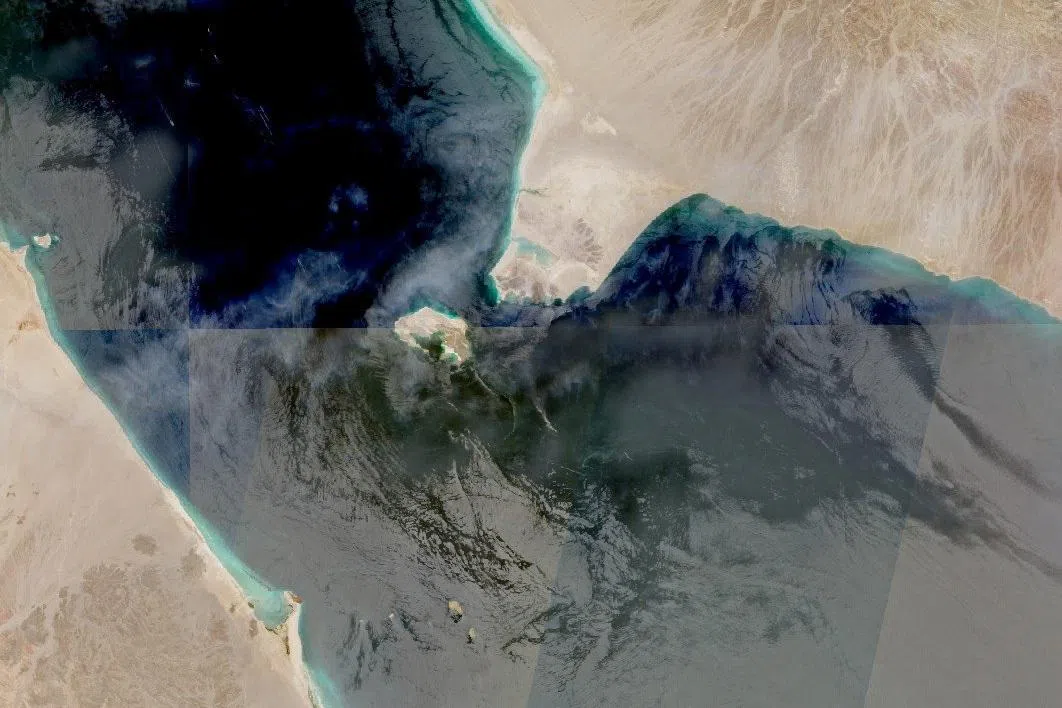
- Core Development: Tehran is reportedly considering tasking Houthi rebels in Yemen with blocking the Bab el-Mandeb waterway, which now serves as a critical global oil route.
- Beat Context: Categorized under World with independent corroboration.
- Reporting Depth: 4 minute analytical read synthesized from verified newsroom sources.
Tehran has warned that it could enlist Yemen’s Houthi movement to block the Red Sea oil route if the United States carries out strikes on Iranian power facilities, three Reuters‑cited sources disclosed on 16 July. The report, echoed by Aol, The Straits Times and Times Now, marks a fresh escalation in a standoff that already sees the Strait of Hormuz shut and global energy markets on edge.
According to two senior Iranian contacts and a regional observer, the idea was first debated inside Iran’s leadership and then passed on to the Houthis. The sources said the message was conveyed “recently” but did not specify whether it followed the 14 July warning by U.S. President Donald Trump to target Iranian power infrastructure.
Media additions

A source close to the Houthis told Reuters that the rebels have already positioned missiles and drones in Yemen’s highlands overlooking Hodeidah and the Gulf of Aden, ready to strike shipping at Bab el‑Mandeb. The same source said the group is “awaiting the order to begin,” while representatives of Iran’s Islamic Revolutionary Guard Corps (IRGC) who are already in Yemen would decide when to close the strait.
Bab el‑Mandeb is the narrow waterway that links the Red Sea with the Gulf of Aden. The passage now carries “around 7 per cent of global energy supplies,” according to the sources, and has become a critical alternative to the Hormuz corridor after Tehran shut that route in late February.
The conflict’s chronology sheds light on why the Red Sea has risen in strategic importance. On 28 February, Israel and the United States launched attacks on Iran, prompting Tehran to close the Strait of Hormuz – the primary channel for “around a fifth of global energy supplies” before the war. A fragile truce between Washington and Tehran in June collapsed, reviving fears of broader hostilities and prompting a “significant amount of Gulf oil” to be rerouted through a Saudi pipeline to the Red Sea. The rerouting has meant that “Saudi Arabia has already diverted roughly 70 per cent of its energy exports through its Red Sea port of Yanbu,” a shift that makes the Bab el‑Mandeb line a lifeline for the kingdom’s oil shipments.
On 13 July, the Houthis broke a four‑year truce with Saudi Arabia by firing missiles after accusing the kingdom of bombing an airport under their control. The following day, Trump’s public threat to strike Iranian power sites added a new dimension to the regional chessboard. By 16 July, Iranian officials were reportedly prepared to ask the Yemeni proxy to “close the Red Sea gateway” if Washington followed through on its threat.
Both Aol and The Straits Times highlight the low technical threshold for disrupting the strait. A regional source told Reuters, “Anybody with a firing rifle can interrupt the shipping. You don’t have to have sophisticated missiles to interrupt the shipping.” The same point appears in the Straits Times article, underscoring the ease with which even small‑scale attacks could choke a route that now handles a sizable share of world oil.
Analyst Torbjorn Solvedt, principal Middle East analyst with Verisk Maplecroft, warned that “If fighting intensifies and spills over into Red Sea export infrastructure and shipping, it will threaten the only major alternative route for oil exports from the region.” His assessment, reproduced in both AOL and The Straits Times, frames the potential Houthi involvement as a risk not just to regional logistics but to the broader global energy balance.
Times Now provides a broader geopolitical backdrop, noting that Iran views the Houthis as part of its “Axis of Resistance,” an alliance that also includes Lebanon’s Hezbollah and Iraqi Shi’ite militias. The outlet stresses that the United States has repeatedly accused Tehran of supplying the Houthis with weapons, funding and training – claims that Tehran denies.
All three outlets report that Iran’s foreign ministry and a Houthi spokesperson were not immediately reachable for comment, leaving the precise mechanics of the proposed closure ambiguous. Nonetheless, the consensus among the sources is clear: the IRGC’s presence in Yemen gives Tehran the operational levers to direct Houthi forces, and the Houthis appear primed to act.
When the Houthis previously targeted shipping during the Gaza war, commercial vessels rerouted around Africa, a longer and more costly journey.
How significant is this development?
Contribute your assessment to the aggregated reader sentiment ledger.
Frequently Asked Questions
Key questions answered in this reportWhat is the key development in: Iran asks Houthis to close Red Sea gateway if US hits power network?
Tehran is reportedly considering tasking Houthi rebels in Yemen with blocking the Bab el-Mandeb waterway, which now serves as a critical global oil route.
Why is this World development significant for the UK?
This report covers critical events in our World beat. Independent reporting monitors related UK statements, regulatory shifts, and public responses as further verified details emerge.
How was this reporting corroborated and verified?
Newsarchy UK compiles and cross-references reporting from primary reporting from straitstimes.com and cross-checked wire reports. All coverage adheres to published editorial standards.
When was this report published?
This briefing was published on July 16, 2026 and is permanently cataloged in the Newsarchy UK World archives.