US imposes 25 percent tariffs on Brazilian goods starting July 22
The U.S. is implementing tariffs on Brazilian imports following a yearlong investigation into trade policies. Brazil plans to pursue counter-measures and WTO action in response.

- Core Development: The U.S. is implementing tariffs on Brazilian imports following a yearlong investigation into trade policies. Brazil plans to pursue counter-measures and WTO action in response.
- Beat Context: Categorized under World with independent corroboration.
- Reporting Depth: 3 minute analytical read synthesized from verified newsroom sources.
The United States will implement 25 percent tariffs on a broad range of goods imported from Brazil starting 22 July 2026. The Office of the United States Trade Representative (USTR) confirmed the move, concluding a yearlong investigation into what Washington deems to be unreasonable and discriminatory trade practices.
Following a Supreme Court ruling in February that invalidated earlier levies imposed under the International Emergency Economic Powers Act (IEEPA), the U.S. Government is now utilizing Section 301 of the Trade Act of 1974. This provision authorizes the executive branch to investigate and retaliate against foreign policies deemed to burden American commerce.
Media additions

Official Perspectives and Diplomatic Friction
U.S. Trade Representative Jamieson Greer stated that the decision aims to ensure American workers and companies compete on a level playing field. The USTR inquiry, which began in July 2025, involved two public hearings and more than 360 written submissions. According to the USTR, areas of concern include Brazilian policies on digital trade, intellectual property, ethanol market access, electronic payment services—specifically the Pix payment system—and alleged inadequate anti-corruption and environmental enforcement.
"Extensive negotiations with Brazil over the past year have not resolved these issues, but we remain open to continuing negotiations with Brazil to bring about long-needed changes to the problems identified in this investigation."
Jamieson Greer, U.S. Trade Representative
The diplomatic climate between the two nations has deteriorated significantly. U.S. Secretary of State Marco Rubio publicly criticized the leadership in Brasília, alleging a lack of good-faith engagement.
"President Lula and his government have not negotiated with the U.S. in good faith. His economic policies are bad for Americans and bad for Brazilians. For the past year, Lula has put his own ego ahead of making a deal for the welfare of the Brazilian people, and these tariffs are the price for that."
Marco Rubio, U.S. Secretary of State
Brazilian President Luiz Inácio Lula da Silva has rejected these allegations, describing the tariffs as a regrettable milestone
in bilateral relations. His administration argues that the U.S. Has maintained a goods trade surplus with Brazil for many years. Furthermore, officials in Brasília have questioned the legitimacy of the investigation, asserting that it is not grounded in multilateral trade rules.
Political Implications and Retaliation
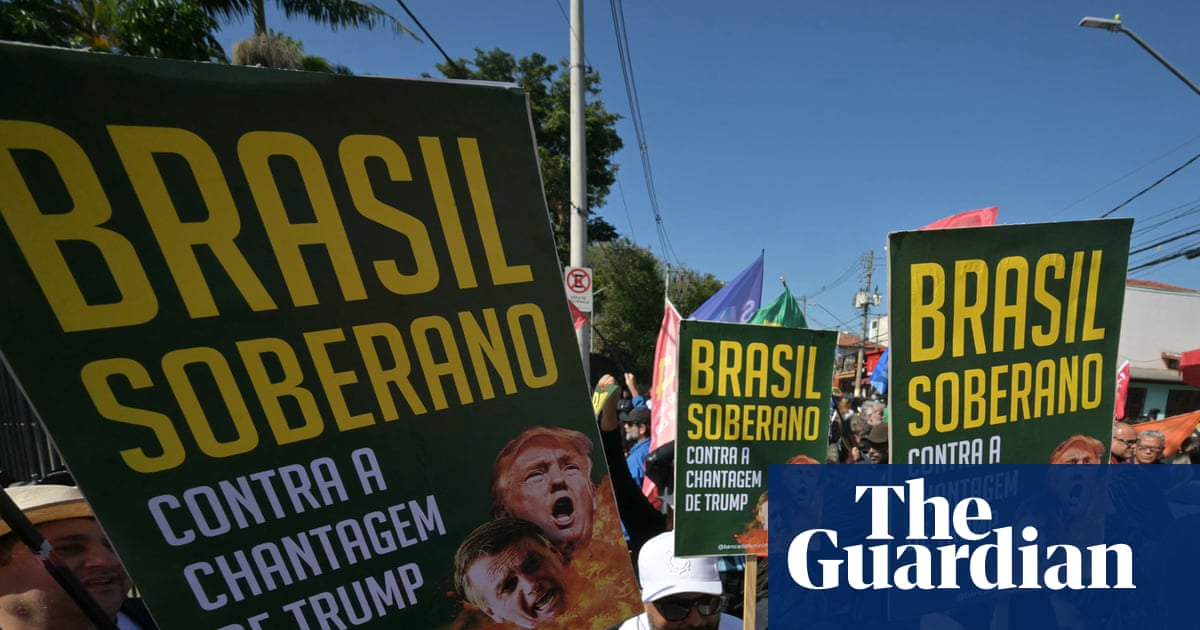
The Brazilian government contends that the tariffs are the result of political pressure exerted on the White House by the family of former President Jair Bolsonaro. President Lula’s office claims the measures are intended to influence the upcoming Brazilian election in October, where the president is facing a challenge from Senator Flávio Bolsonaro. Conversely, Senator Flávio Bolsonaro has blamed the current administration for the breakdown in trade talks, labeling them reckless
and a danger to our nation.
In response, the Brazilian government has pledged to initiate procedures to invoke the Reciprocity Law to implement counter-measures. Brazil also intends to challenge the move through the World Trade Organization’s dispute settlement process.
Scope of the Tariffs and Exemptions
To mitigate the impact on domestic supply chains, the U.S. Order includes specific carve-outs for items that are not produced in sufficient quantity domestically. The list of exempted products includes:
- Beef and coffee
- Oranges and orange juice
- Aerospace parts and components
- Organic honey and pig iron
- Certain animal hides, furskins, and leather
- Unflavored instant coffee, aluminum hydroxide, and used clothing
- Certain oil and gas energy products
What to Watch Next
As the 22 July 2026 enforcement date approaches, analysts are focused on an ongoing, separate USTR inquiry regarding alleged forced labor in Brazilian supply chains. A ruling on that investigation is expected on 24 July 2026. Should that inquiry result in an additional 12.5 percent duty, Brazil's cumulative tariff exposure on affected goods would reach 37.5 percent.
How significant is this development?
Contribute your assessment to the aggregated reader sentiment ledger.
Frequently Asked Questions
Key questions answered in this reportWhat is the key development in: US imposes 25 percent tariffs on Brazilian goods starting July 22?
The U.S. is implementing tariffs on Brazilian imports following a yearlong investigation into trade policies. Brazil plans to pursue counter-measures and WTO action in response.
Why is this World development significant for the UK?
This report covers critical events in our World beat. Independent reporting monitors related UK statements, regulatory shifts, and public responses as further verified details emerge.
How was this reporting corroborated and verified?
Newsarchy UK compiles and cross-references reporting from primary reporting from theguardian.com and cross-checked wire reports. All coverage adheres to published editorial standards.
When was this report published?
This briefing was published on July 16, 2026 and is permanently cataloged in the Newsarchy UK World archives.