US TV networks suspend Trump coverage over White House media ban
Major US TV networks have suspended rotating White House pool coverage in a solidarity blackout after the administration revoked press credentials for CNN, Politico, and MS NOW.
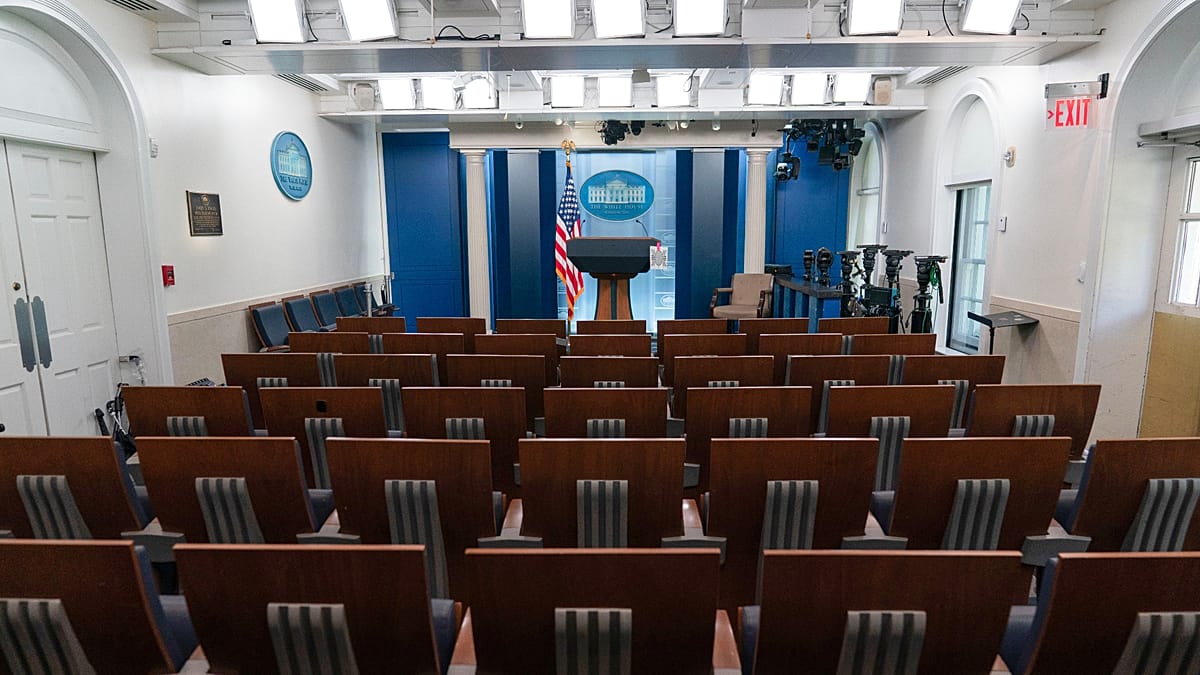
Major US television broadcasters have staged an extraordinary blackout of presidential coverage, halting shared pool duties in a sweeping revolt against the White House. The unprecedented move follows a decision by the administration to revoke the press credentials and physical access of three prominent news organizations, setting off a high-stakes constitutional collision between the executive branch and the national media.
The confrontation erupted after journalists representing and other major international observers noted that reporters from coverage-focused outlets were blocked from entering the White House grounds. The administration confiscated passes and disabled entry badges for staff from CNN, MS NOW, and Politico. According to The Hindu, the punitive actions stemmed from what the administration termed cumulative negative reporting and the publication of "fiction and lies." In response, the remaining broadcast partners in the rotating pool system — which shares video feeds among networks to cover presidential events — refused to deploy replacement crews.
Media additions


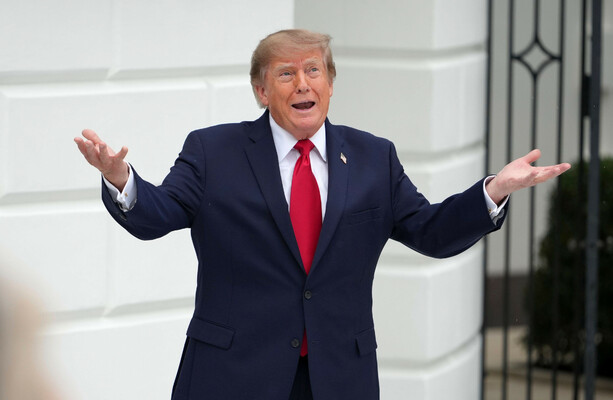
The boycott triggered immediate operational disruptions. As detailed by Vanguard News, the opening of a newly constructed granite helipad on the South Lawn occurred entirely without major network cameras. Without standard pool boom microphones, the president's remarks during the ribbon-cutting ceremony were left completely inaudible to the public. Subsequent events, including travel to New York for the United Nations General Assembly, similarly unfolded without standard broadcast feeds.
The five primary television broadcasters, ABC, CBS, CNN, Fox, and NBC, issued a joint statement emphasizing that the public relies on independent reporting to monitor government actions. No administration should restrict a news organisation because it objects to its reporting,
the networks declared. Meanwhile, print and photo organizations, including Agence France-Presse and the Washington Post, joined the protest by withholding or delaying the distribution of still photographs from presidential engagements.
| Network / Outlet | Action Taken | Official Status |
|---|---|---|
| CNN, MS NOW, Politico | Filed federal lawsuit; challenged ban | Credentials revoked / barred from grounds |
| ABC, CBS, Fox, NBC | Halted rotating pool coverage | Participating in solidarity blackout |
| The White House | Launched "Trump TV" streaming channel | Defending restrictions under executive authority |
Legal battles commenced swiftly in response to the exclusions. As reported by The Indian Express, the barred organizations filed an emergency request in the US District Court for the District of Columbia. The lawsuit argues that the administration’s actions violate the First Amendment and constitutional due process guarantees by retaliating against specific editorial viewpoints. Legal representatives for the media companies asked the court to issue a restraining order to immediately restore access.
Administration officials defended the restrictions, asserting that executive property management falls outside judicial interference. Vice President JD Vance argued that the affected organizations retained their freedom of speech despite losing physical workspace within the presidential complex. President Donald Trump echoed those sentiments on social media, branding critical news outlets as a national security threat and asserting that certain publications had crossed the line into defamation.
To circumvent the traditional media blackout, the administration unveiled a 24/7 digital platform dubbed "Trump TV." As chronicled by inkl, the channel launched with archival footage of a Mount Rushmore address and past inaugural events. Independent observers noted that the alternative platform seeks to bypass traditional broadcast gatekeepers entirely, providing unfiltered distribution directly to supporters.
The standoff compounds an already tense political environment.
As the conflict enters its next phase, public interest centers on the judiciary. A federal judge scheduled a preliminary court hearing to review the emergency injunction request. Readers seeking broader context can consult ongoing or review the historical background of and earlier escalations involving . While developments continue to unfold alongside separate international concerns such as , the immediate focus remains on Wednesday's courtroom showdown over the boundaries of presidential authority and press freedom.