Vatican declares SSPX in schism and excommunicates all its members
The Vatican issued a decree of excommunication against the Society of St. Pius X following the group's unauthorized ordination of four new bishops in Switzerland. This action invalidates the society's sacraments and formalizes a state of schism with the Roman Catholic Church.

- Core Development: The Vatican issued a decree of excommunication against the Society of St. Pius X following the group's unauthorized ordination of four new bishops in Switzerland. This action invalidates the society's sacraments and formalizes a state of schism with the Roman Catholic Church.
- Beat Context: Categorized under World with independent corroboration.
- Reporting Depth: 3 minute analytical read synthesized from verified newsroom sources.
The Vatican issued an aggressive response on Thursday, 2 July 2026, to a traditionalist group that consecrated four new bishops without papal consent. In a decree, the Dicastery for the Doctrine of the Faith declared the Society of St. Pius X (SSPX) to be in a state of formal schism with the Roman Catholic Church. The ruling goes beyond the minimum sanctions required by canon law, excommunicating not only the four newly ordained bishops and the two bishops who participated in the ceremony, but also the society’s priests and all lay faithful who “adhere formally” to the group.
The unauthorized consecrations took place on Wednesday, 1 July 2026, during a five-hour Mass at the society’s seminary in Écône, Switzerland. An estimated 15,500 people attended the event, which was held in direct defiance of Pope Leo XIV. The pontiff had previously urged the society to halt the proceedings for the sake of church unity.
Media additions
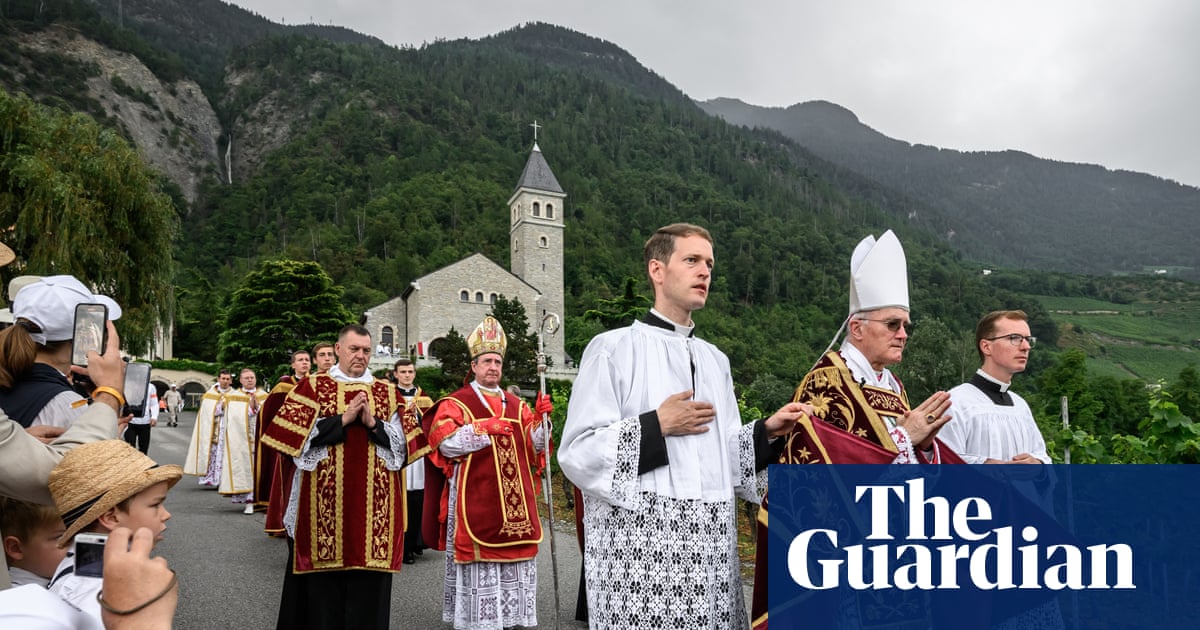
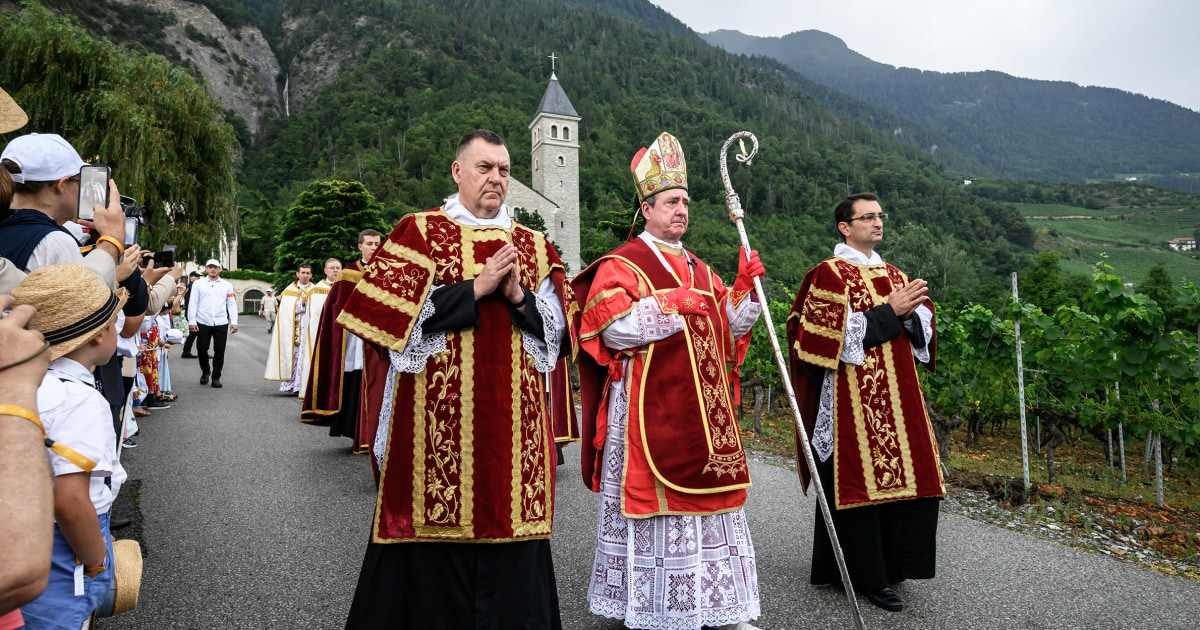
The Vatican’s action effectively reverses previous concessions made to the SSPX. While former popes had attempted to reconcile the group, the current decree invalidates the sacraments of confession and marriage administered by the society’s priests. Consequently, the faithful are warned that they face the church’s harshest sanctions if they continue to attend SSPX Masses or prioritize their loyalty to the society above the pope.
Founded in 1970 by French Archbishop Marcel Lefebvre, the SSPX emerged in opposition to the modernizing reforms of the Second Vatican Council (1962–1965). The group rejects Vatican II’s openness to other faiths and Christian denominations, as well as the transition from Latin to vernacular languages in the Mass. Lefebvre previously sparked a major crisis in 1988 by consecrating four bishops without permission, leading to their excommunication. Although Pope Benedict XVI lifted those sanctions in 2009, the group has since remained without legal standing within the church.
The SSPX defended its latest actions by citing a “state of necessity” to minister to its followers, noting that only two of the bishops consecrated in 1988 were still alive and were too old to serve the community. The Rev. Davide Pagliarani, the SSPX superior, stated during the consecration homily that the group’s actions were intended to protect the church. We are accused of not respecting the pope,
Pagliarani said. But it is precisely because we love the pope as the vicar of Christ, as the head of the church, that we don’t want to see the pope humiliated anymore, on the side of false shepherds representing false religions.
The response to the decree has been varied. While some observers viewed the excommunications as a necessary application of canon law, others suggested the inclusion of priests and lay members in the sanctions was unusually severe. Luigi Casalini, of the blog Messa in Latino, questioned the lack of a specific Vatican body to manage potential defectors, noting that the absence of such a structure stands in contrast to the response following the 1988 crisis.
The SSPX, which maintains a global presence with thousands of members, seminarians, and religious staff across 50 nationalities, continues to operate its own priories and missions. The Vatican’s note accompanying the decree stated it remains willing to welcome back those who wish to return to full communion, though no specific entity was created to facilitate this process. Instead, the Vatican has tasked its ambassadors worldwide with establishing procedures for local bishops to guide those seeking reconciliation. The Holy See is expected to provide further clarification regarding these procedures in an upcoming doctrinal statement.
How significant is this development?
Contribute your assessment to the aggregated reader sentiment ledger.
Frequently Asked Questions
Key questions answered in this reportWhat is the key development in: Vatican declares SSPX in schism and excommunicates all its members?
The Vatican issued a decree of excommunication against the Society of St. Pius X following the group's unauthorized ordination of four new bishops in Switzerland. This action invalidates the society's sacraments and formalizes a state of schism with the Roman Catholic Church.
Why is this World development significant for the UK?
This report covers critical events in our World beat. Independent reporting monitors related UK statements, regulatory shifts, and public responses as further verified details emerge.
How was this reporting corroborated and verified?
Newsarchy UK compiles and cross-references reporting from primary reporting from nbcnews.com and cross-checked wire reports. All coverage adheres to published editorial standards.
When was this report published?
This briefing was published on July 2, 2026 and is permanently cataloged in the Newsarchy UK World archives.