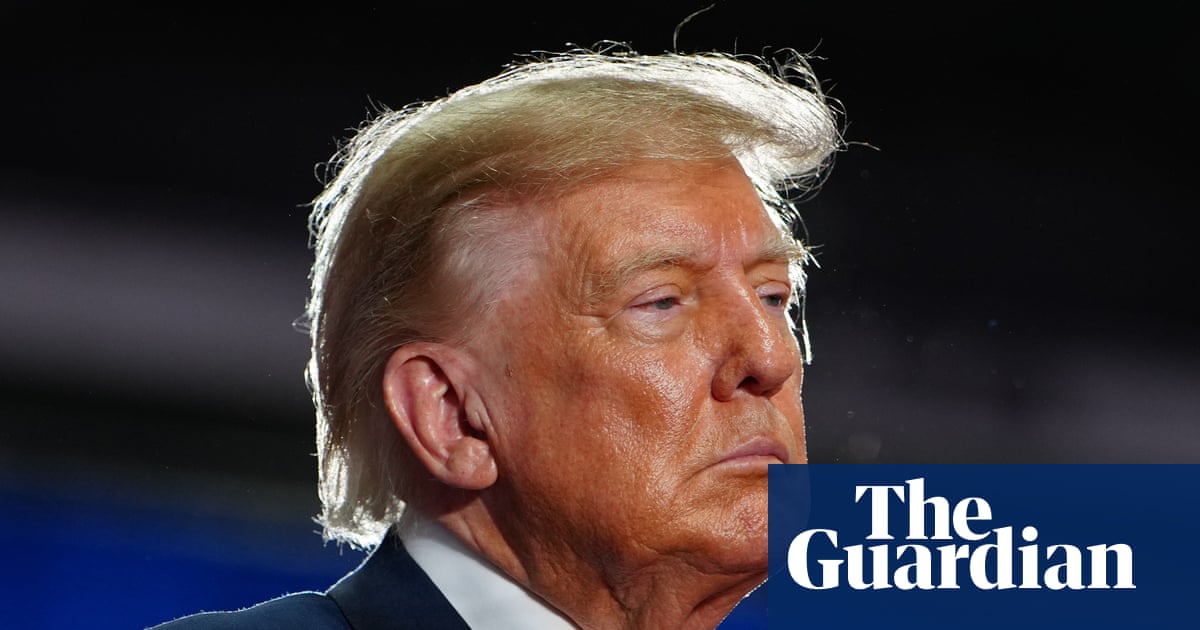
Trump says North Korea's Kim has responded to his overtures
President Donald Trump confirmed that North Korean leader Kim Jong Un has responded to his diplomatic overtures, following an order to reduce joint military exercises.
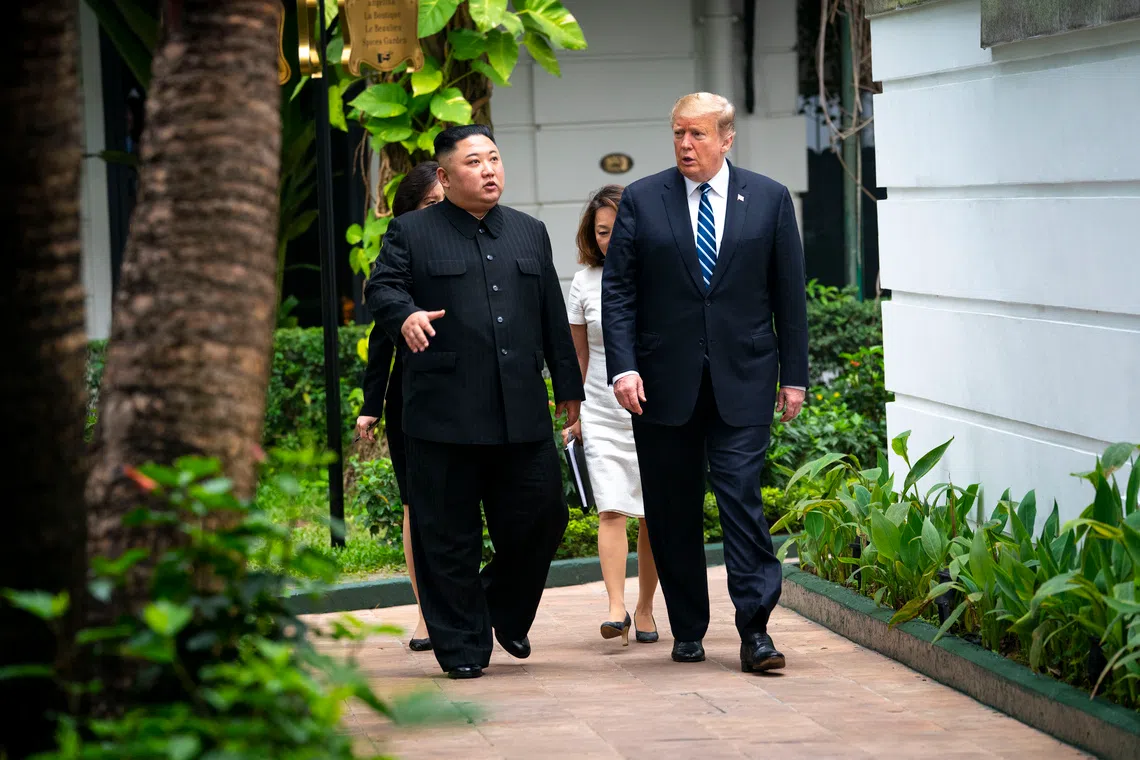
- Core Development: President Donald Trump confirmed that North Korean leader Kim Jong Un has responded to his diplomatic overtures, following an order to reduce joint military exercises.
- Beat Context: Categorized under World with independent corroboration.
- Reporting Depth: 3 minute analytical read synthesized from verified newsroom sources.
US President Donald Trump stated that North Korean leader Kim Jong Un has responded to his diplomatic overtures. The remarks, reported by The Straits Times, followed an order instructing the Pentagon to substantially reduce joint military exercises with South Korea.
Speaking in the Oval Office, Trump was asked why the North Korean leader had not replied to his outreach efforts since returning to office. According to coverage from The Guardian, Trump challenged the premise of the question, asking how the reporter knew no response had been received, before confirming that contact had indeed taken place. When pressed on the current stage of the conversations, Trump described the status as very positive while declining to offer further elaboration.
Media additions
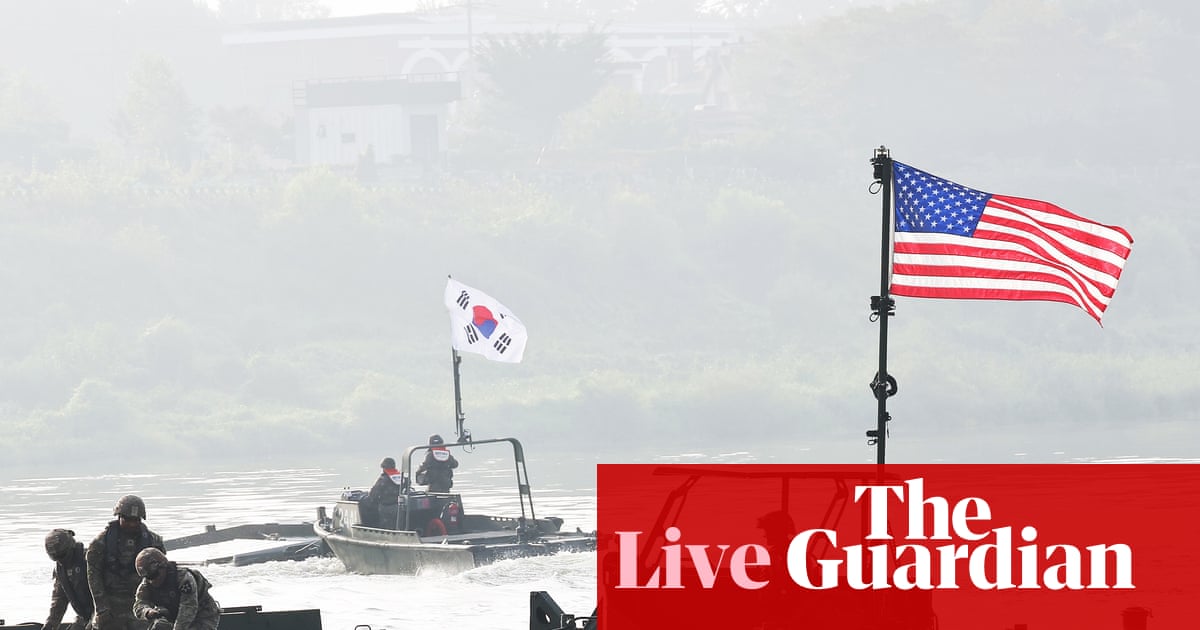

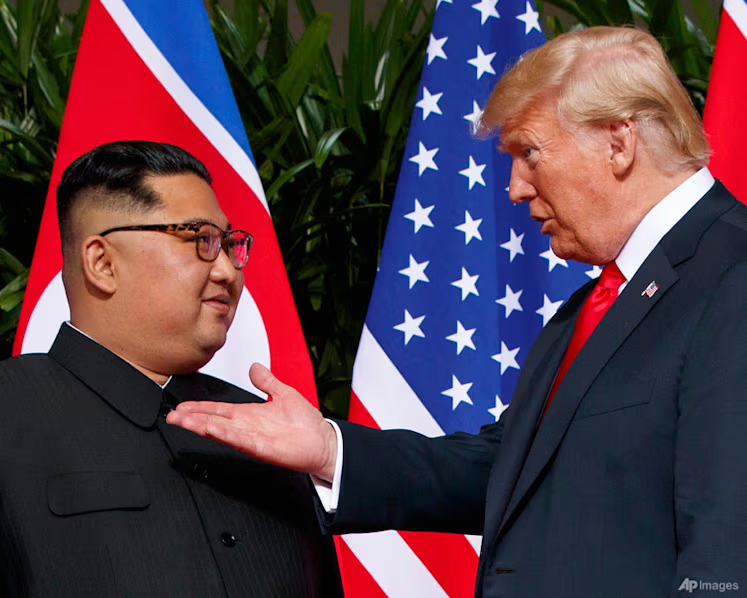
The diplomatic overtures and subsequent communications arrive against a backdrop of strain in Washington's alliances. On Sunday, Trump took to his Truth Social network to criticise joint military drills, characterising them as costly and hostile toward a nation he described as unthreatening and respectful during his presidency, as detailed by Yahoo News UK. Trump explicitly linked the decision to scale down the exercises to South Korea's refusal to assist the United States and Israel in military operations against Iran. In the Oval Office, Trump questioned the value of stationing thousands of soldiers abroad to guard allies who decline to support US military actions elsewhere, raising broader questions regarding security commitments in East Asia and among NATO partners, as noted by BSS News.
South Korean officials responded by asserting that the ongoing exercises had begun as planned and carried no intention to attack North Korea or escalate regional tensions. President Lee Jae Myung's office maintained that the foundational purpose of the drills remains the safeguarding of civilian daily life rather than treating any specific entity as an adversary, though Seoul confirmed it remains in close coordination with Washington. Meanwhile, the decision drew sharp criticism from domestic opponents. Senate Armed Services Committee ranking member Jack Reed condemned the directive as an inane and haphazard move, warning that adversaries such as China and Russia are observing how readily the administration alters its alliance commitments.
Geopolitical dynamics surrounding North Korea have shifted considerably since Trump and Kim held high-profile summits. As detailed by The Business Times, North Korea has deepened its strategic alignment with Russia and maintained close ties with China. Kyiv reported that North Korean-made missiles were deployed in a Russian ballistic missile attack on a steel plant in Zaporizhzhia, highlighting Pyongyang's military support for Moscow's invasion of Ukraine. Regional analysis indicates that while North Korea's state news agency highlighted messages from Russian Foreign Minister Sergey Lavrov regarding a new world order, analysts remain divided on Pyongyang's ultimate intentions toward Washington.
Foreign policy experts point to contrasting motivations regarding a potential renewed summit. Victor Cha of the Center for Strategic and International Studies suggested that North Korea is likely to bide its time, and noted that Trump's renewed focus on Pyongyang may partly serve to shift headlines away from difficulties surrounding the conflict with Iran. Conversely, Andrew Yeo of the Brookings Institution argued that Kim has little to lose and stands to gain significantly in international reputation and status by engaging with a US president again. Sydney Seiler, a former US National Intelligence Officer, recalled that similar drill suspensions occurred in the past to encourage dialogue, observing that past suspensions yielded limited diplomatic gains but incurred minimal strategic losses.
Timeline of Events
- Sunday: President Trump uses Truth Social to announce orders instructing the Pentagon to substantially reduce joint military drills with South Korea, citing costs and Seoul's refusal to participate in operations against Iran.
- Monday: Trump tells reporters in the Oval Office that Kim Jong Un has responded to his overtures, describing the ongoing contacts as very positive.
- Tuesday: Seoul's presidential office clarifies that the exercises do not reflect an intent to escalate tensions, while North Korean state media highlights diplomatic messaging from Russia.
How significant is this development?
Contribute your assessment to the aggregated reader sentiment ledger.
Frequently Asked Questions
Key questions answered in this reportWhat is the key development in: Trump says North Korea's Kim has responded to his overtures?
President Donald Trump confirmed that North Korean leader Kim Jong Un has responded to his diplomatic overtures, following an order to reduce joint military exercises.
Why is this World development significant for the UK?
This report covers critical events in our World beat. Independent reporting monitors related UK statements, regulatory shifts, and public responses as further verified details emerge.
How was this reporting corroborated and verified?
Newsarchy UK compiles and cross-references reporting from primary reporting from straitstimes.com and cross-checked wire reports. All coverage adheres to published editorial standards.
When was this report published?
This briefing was published on August 18, 2026 and is permanently cataloged in the Newsarchy UK World archives.